Guides Guide
Average Wedding Photographer Cost: A Data-Backed Guide
See what US couples actually spend on wedding photography, how prices differ by region and guest count, what packages include, and how to compare quotes fairly.
Clear, no-nonsense answers to common photography questions — read in a few minutes, skip the fluff.
See what US couples actually spend on wedding photography, how prices differ by region and guest count, what packages include, and how to compare quotes fairly.
From slow mornings at home and favorite neighborhood dates to windswept beaches and polished city portraits, these engagement photo ideas are personal, practical, and easy to make your own.
From elegant portrait lounges and instant-print guest books to vintage campers and playful custom sets, these photo booth ideas balance style with a genuinely good guest experience.
Documentary, editorial, fine art, true-to-color, film and more: learn what wedding photography style labels actually mean and how to choose a photographer whose work fits you.
Practical wedding photography advice for planning the day, choosing camera settings, handling ceremonies and family groups, using flash, and protecting every image.
Understand APS-C sensor size, crop factor, equivalent focal length, depth of field, lens compatibility, image quality, and who should choose the format.
Learn how back-button focus separates autofocus from the shutter, how to configure it, and when it helps with action, portraits, and fixed focus distance.
Learn how prime, zoom, wide-angle, telephoto, macro, fisheye, and tilt-shift lenses differ—and how to choose a useful lens for your camera.
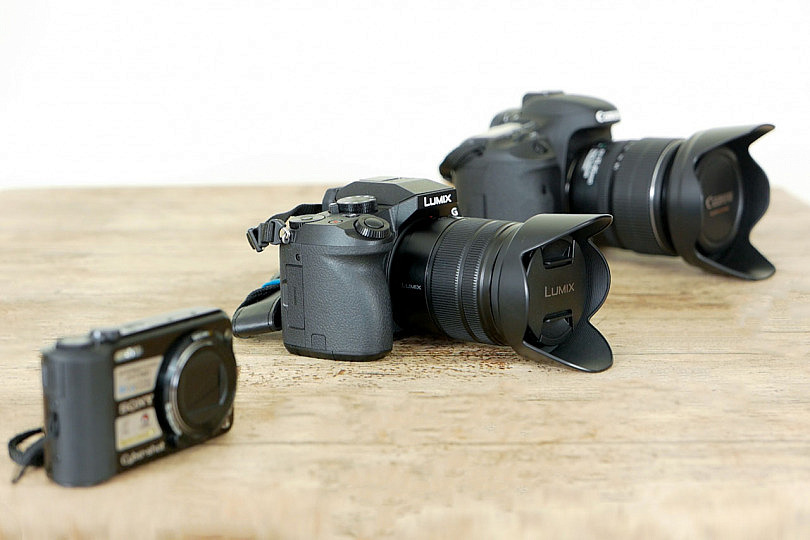
Compare smartphones, compact cameras, bridge cameras, mirrorless cameras, DSLRs, action cameras, instant cameras, and other common camera types.
Choose portrait focal length by camera distance, framing, sensor size, background, room, and communication—not by one universal number.
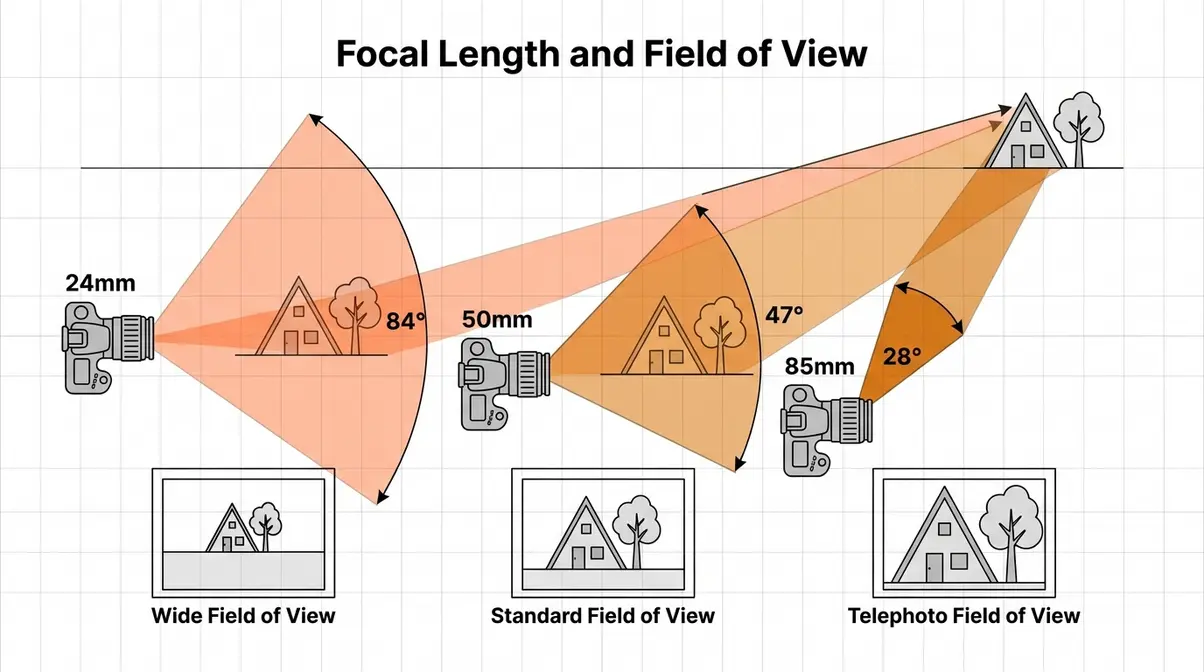
Understand what focal length changes, how sensor size affects field of view, and which lens ranges suit portraits, landscapes, travel, sports, and wildlife.
Learn how front-illuminated, back-illuminated, and stacked CMOS sensors differ—and what those designs can and cannot tell you about a camera.
Learn what a shutter count records, how mechanical and electronic shutters affect it, what durability ratings mean, and how to assess a used camera.
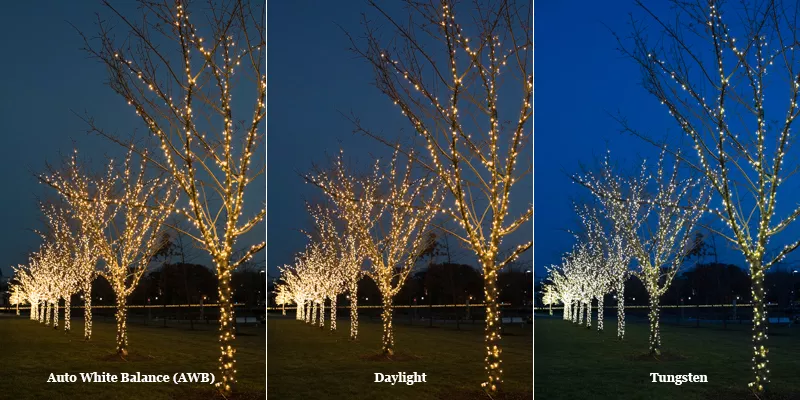
Understand Auto, Daylight, Cloudy, Shade, Tungsten, Kelvin, and custom white balance—and keep colors accurate or change them creatively.
Learn how front, side, back, top, and below lighting change texture, shape, contrast, and mood—and how to choose a direction on location or in a studio.
Compare DSLR and mirrorless cameras by viewfinder, autofocus, battery life, lenses, size, video, shutter behavior, and long-term system value.
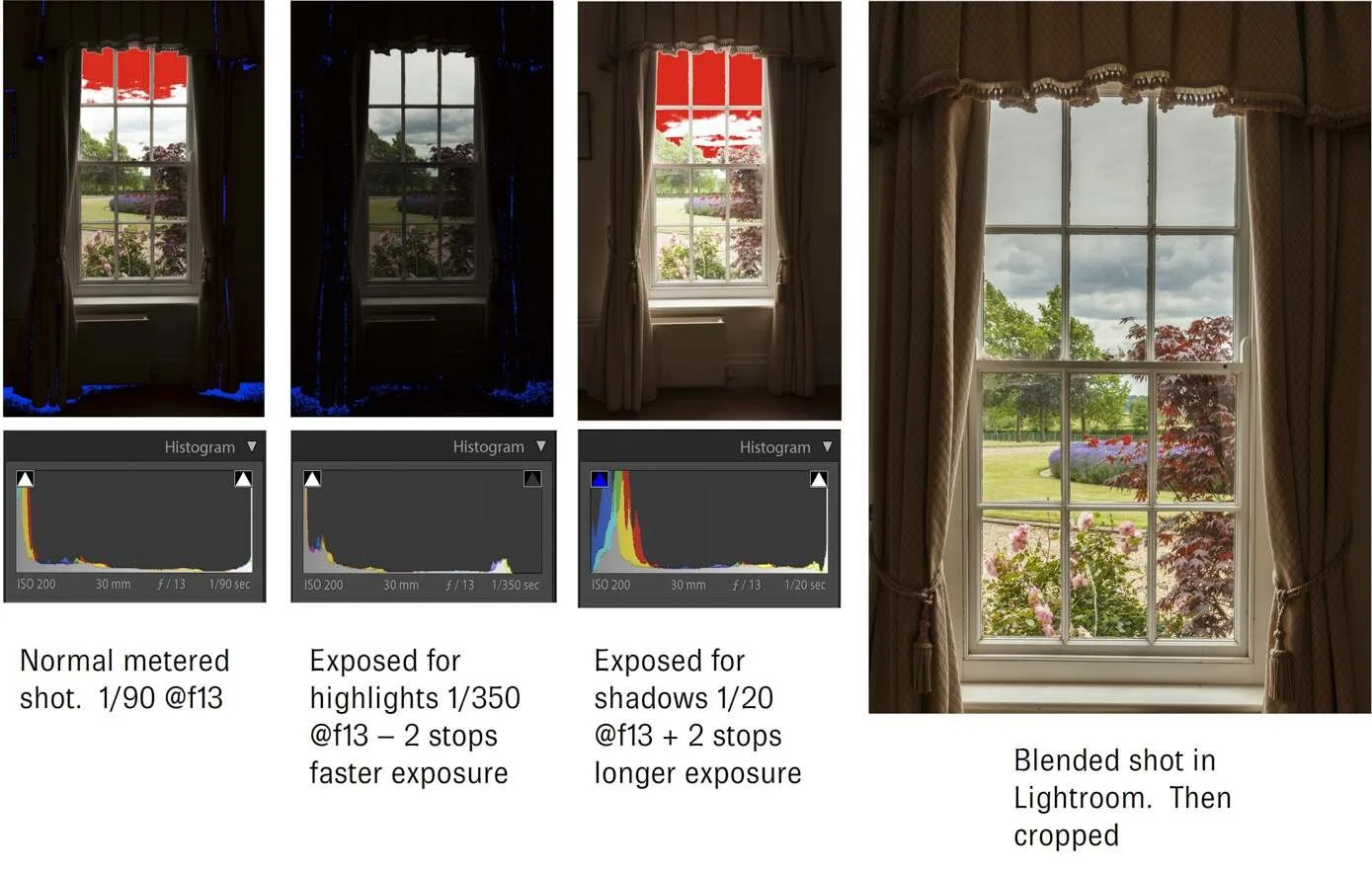
Understand scene and camera dynamic range, highlight clipping, shadow noise, stops, base ISO, RAW latitude, tone mapping, and exposure bracketing.
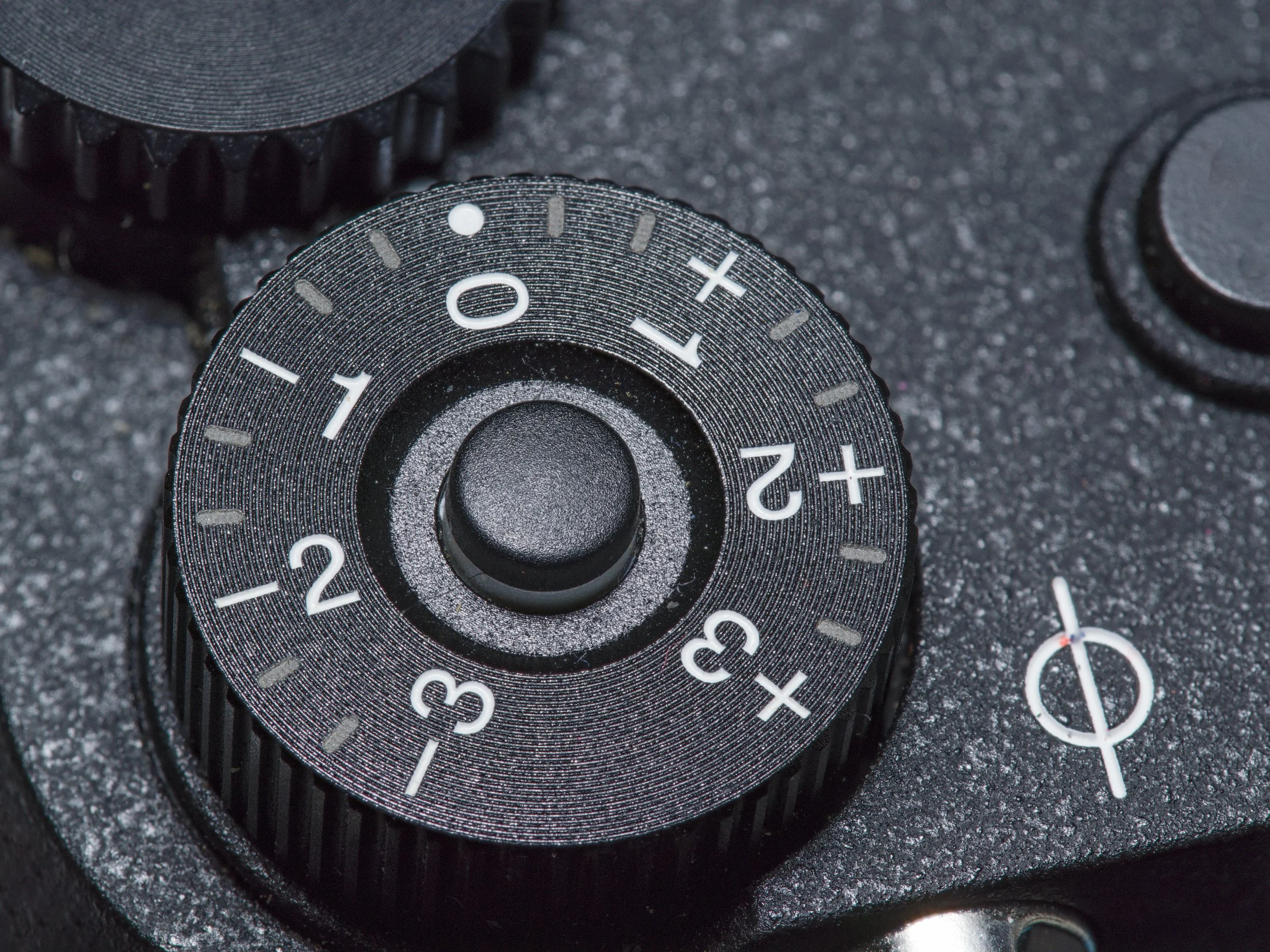
Learn how exposure compensation makes automatic camera exposures brighter or darker, what EV means, and when to use positive or negative values.
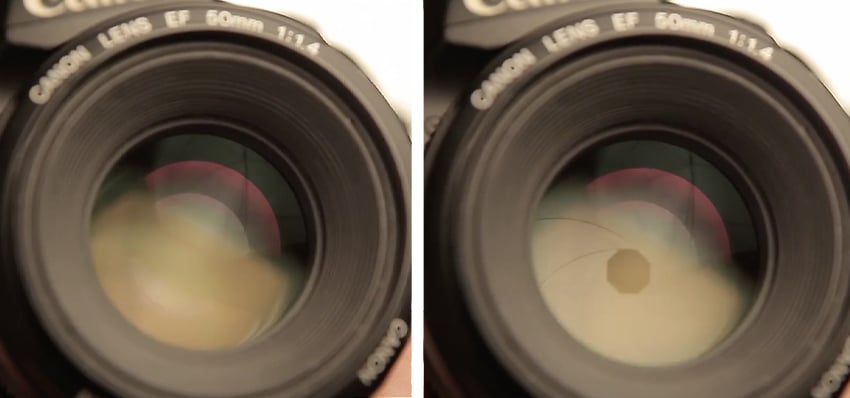
Understand why small f-numbers mean wide apertures, how full stops change exposure, and how aperture affects depth of field, sharpness, and bokeh.
Learn what field of view means, how focal length and sensor size determine it, and how aspect ratio, crop modes, focus distance, and output affect framing.
Give a subject more visual weight by moving closer, changing focal length, or cropping—while preserving perspective, meaningful context, and clean frame edges.
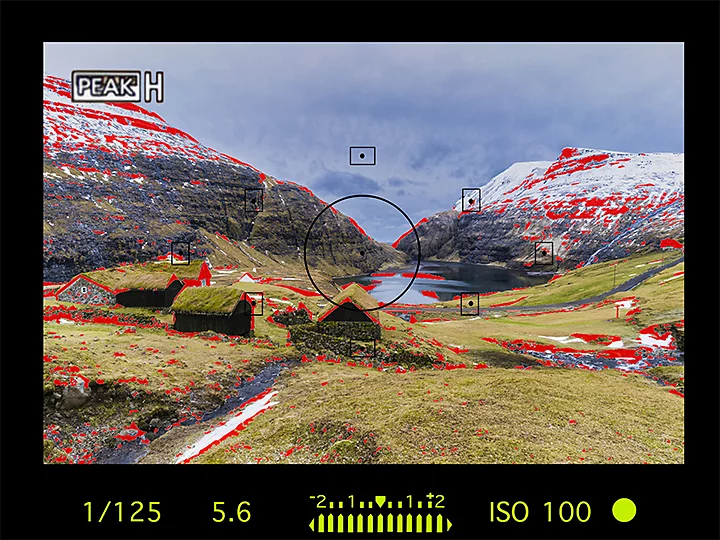
Learn what focus peaking highlights, how to choose peaking level and color, and when to combine it with magnification for reliable manual focus.
Understand the phi grid and golden spiral, how they differ from the rule of thirds, and how to use them as practical overlays without treating them as a formula.
Choose the right telephoto focal range, aperture, autofocus, stabilization, close-focus capability, size, and compatibility for portraits, sports, wildlife, and travel.