Wedding Photography Styles Explained: Find the Right Look
Documentary, editorial, fine art, true-to-color, film and more: learn what wedding photography style labels actually mean and how to choose a photographer whose work fits you.
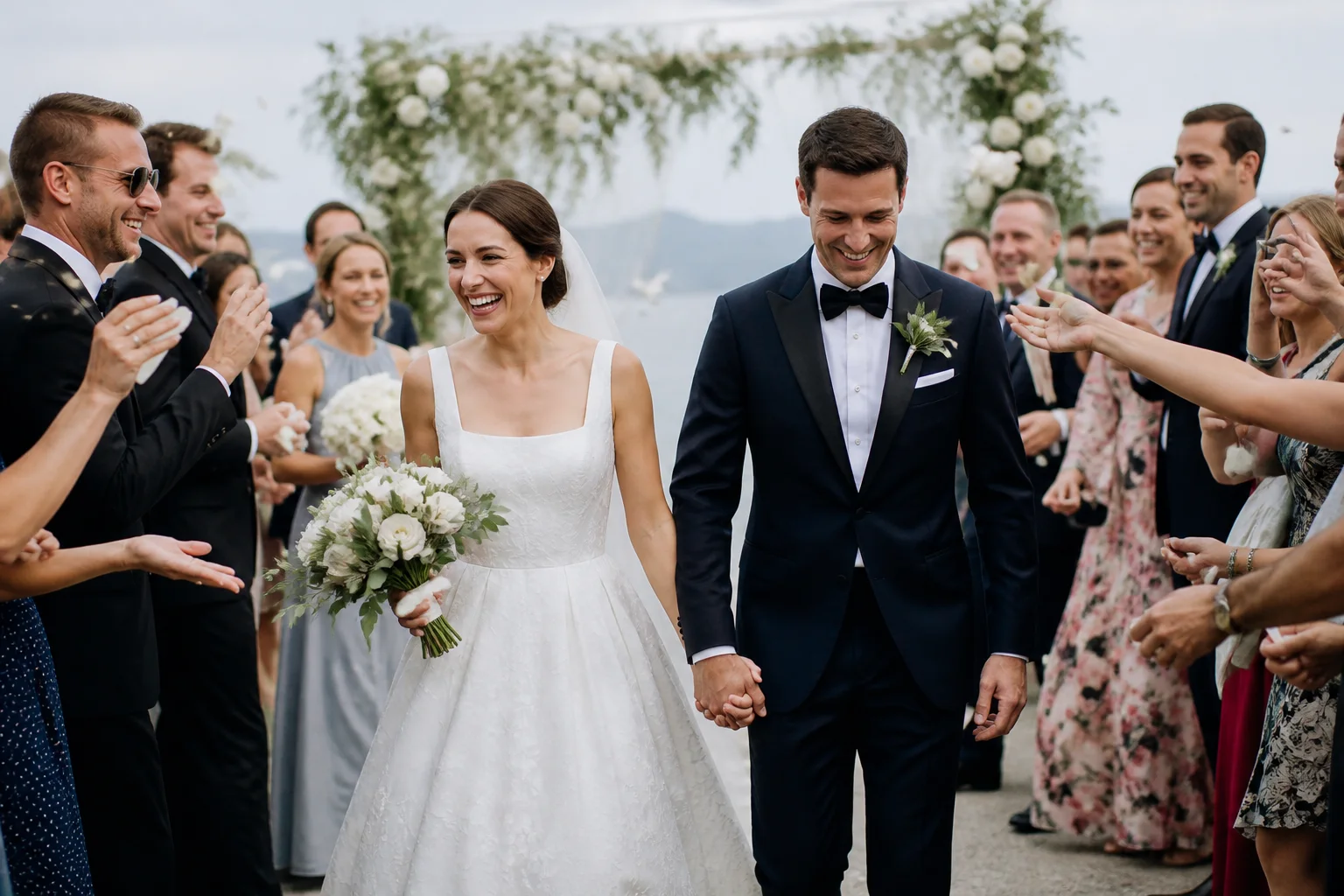
The short answer
Most wedding photographers blend styles. Someone might photograph the ceremony in a documentary way, gently direct couple portraits, make a few editorial images, and deliver the entire gallery with true-to-color or film-inspired editing. That combination is normal.
Use style words to begin a conversation, not as strict technical categories. What matters is how the photographer defines the words, what their complete galleries look like, and whether their working method suits the experience you want.
| Style | Direction on the day | Typical finished look | Often suits |
|---|---|---|---|
| Traditional / classic | Clear posing and organized groups | Polished, recognizable, formal | Couples who value family records and complete shot coverage |
| Documentary | Mostly observational | Moment-led and narrative | Couples who want to stay present with guests |
| Lifestyle | Gentle prompts and movement | Natural-looking but refined | Couples who want candid feeling with some help |
| Editorial | Hands-on styling and direction | Fashion-led and composed | Couples who enjoy a produced portrait experience |
| Fine art | Selective, composition-led direction | Painterly, romantic, intentional | Couples who value atmosphere and wall-worthy portraits |
| True-to-color | Can be candid or directed | Natural color and balanced contrast | Couples who want the decor and clothing to remain recognizable |
| Light and airy | Can be candid or directed | Bright, soft, pastel, low contrast | Garden, coastal, and naturally bright celebrations |
| Dark and moody | Can be candid or directed | Deep shadows, rich tones, stronger contrast | Atmospheric venues and dramatic tastes |
| Cinematic | Often selective and directed | Dramatic light, scale, and story | Couples drawn to expressive, scene-setting images |
| Film / film-inspired | Varies | Medium-dependent color, grain, and highlight response | Couples who like tactile, less clinical photographs |
| Black-and-white | Varies | Monochrome emphasis on gesture and light | Emotional moments and graphic compositions |
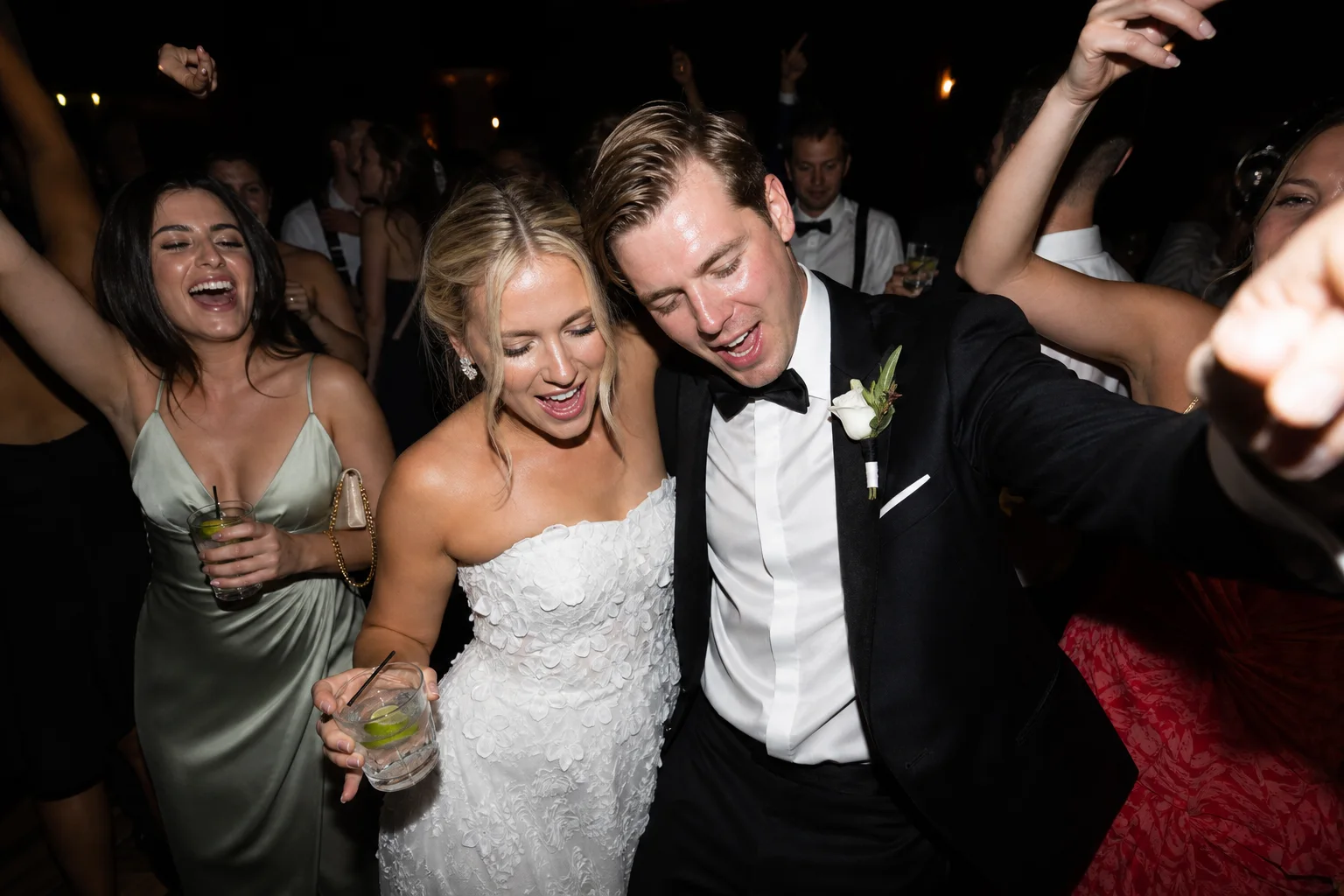
| Direct flash | Usually responsive and close | Crisp, energetic, nightlife-inspired | Dance floors, late-night portraits, and playful celebrations |
Why wedding photography style lists are confusing
The labels operate on three overlapping levels. First is coverage approach: how the photographer behaves and directs people. Traditional, documentary, lifestyle, and editorial primarily belong here.
Second is visual treatment: exposure, contrast, color, light, composition, and post-production. True-to-color, light and airy, dark and moody, fine art, and cinematic descriptions often tell you more about the finished gallery than the photographer's level of direction.
Third is medium or technique. Film, digital, black-and-white conversion, direct flash, drone views, and intentional motion blur describe tools or methods. They can appear inside several broader styles. A documentary photographer can use direct flash; an editorial photographer can shoot film; a classic family portrait can be black-and-white.
Styles based mainly on how the photographer works
1. Traditional or classic wedding photography
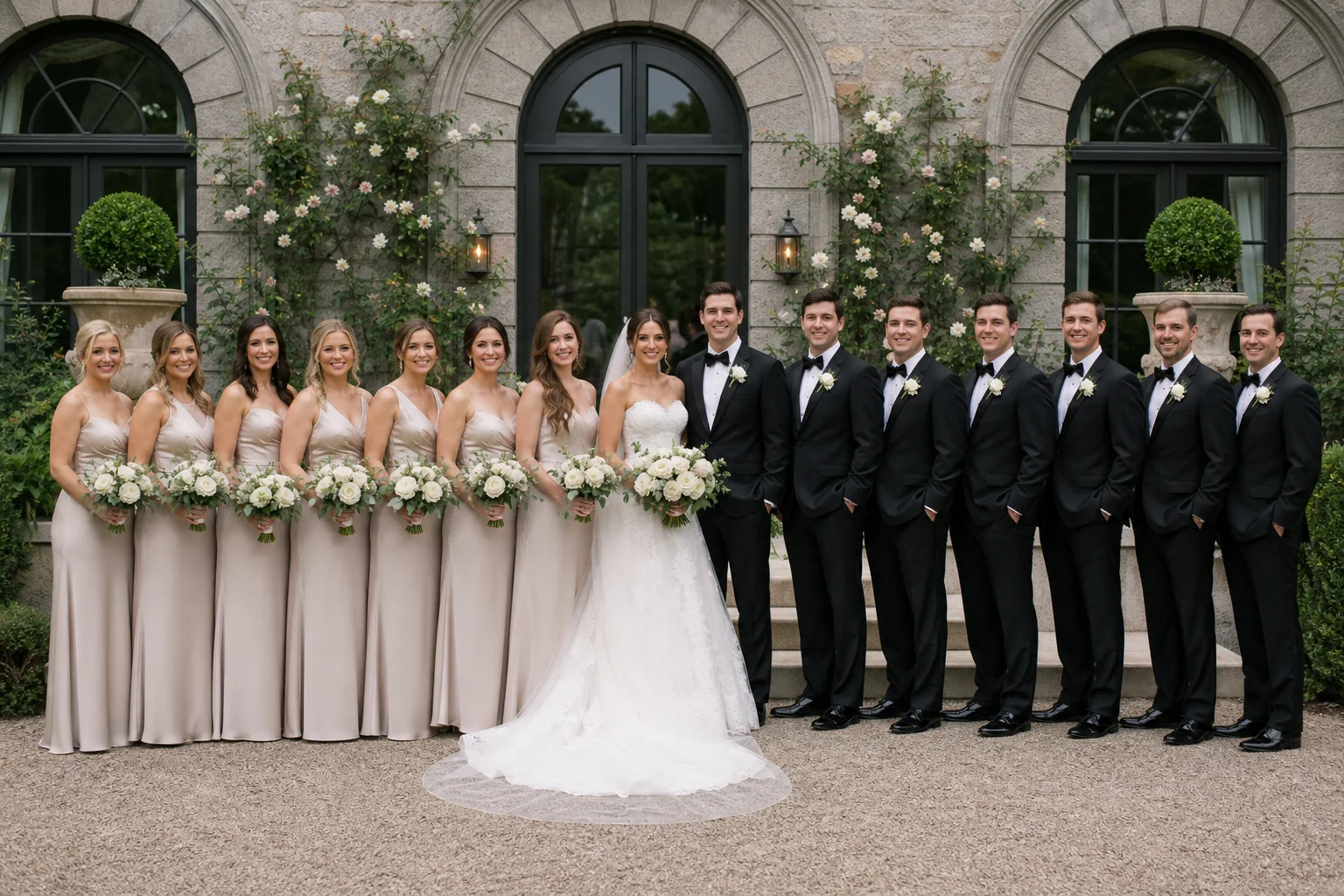
Traditional coverage prioritizes clear records of important people and events. Expect organized family groups, carefully arranged wedding-party portraits, a straightforward couple portrait, and recognizable photographs of the ceremony, cake cutting, first dance, and other planned moments.
Traditional does not have to mean stiff or dated. A skilled modern photographer can pose efficiently, refine hands and posture, and still capture natural expressions. This approach is valuable when family history matters and you do not want to discover later that a key combination of people was never photographed.
2. Documentary, photojournalistic, or reportage wedding photography
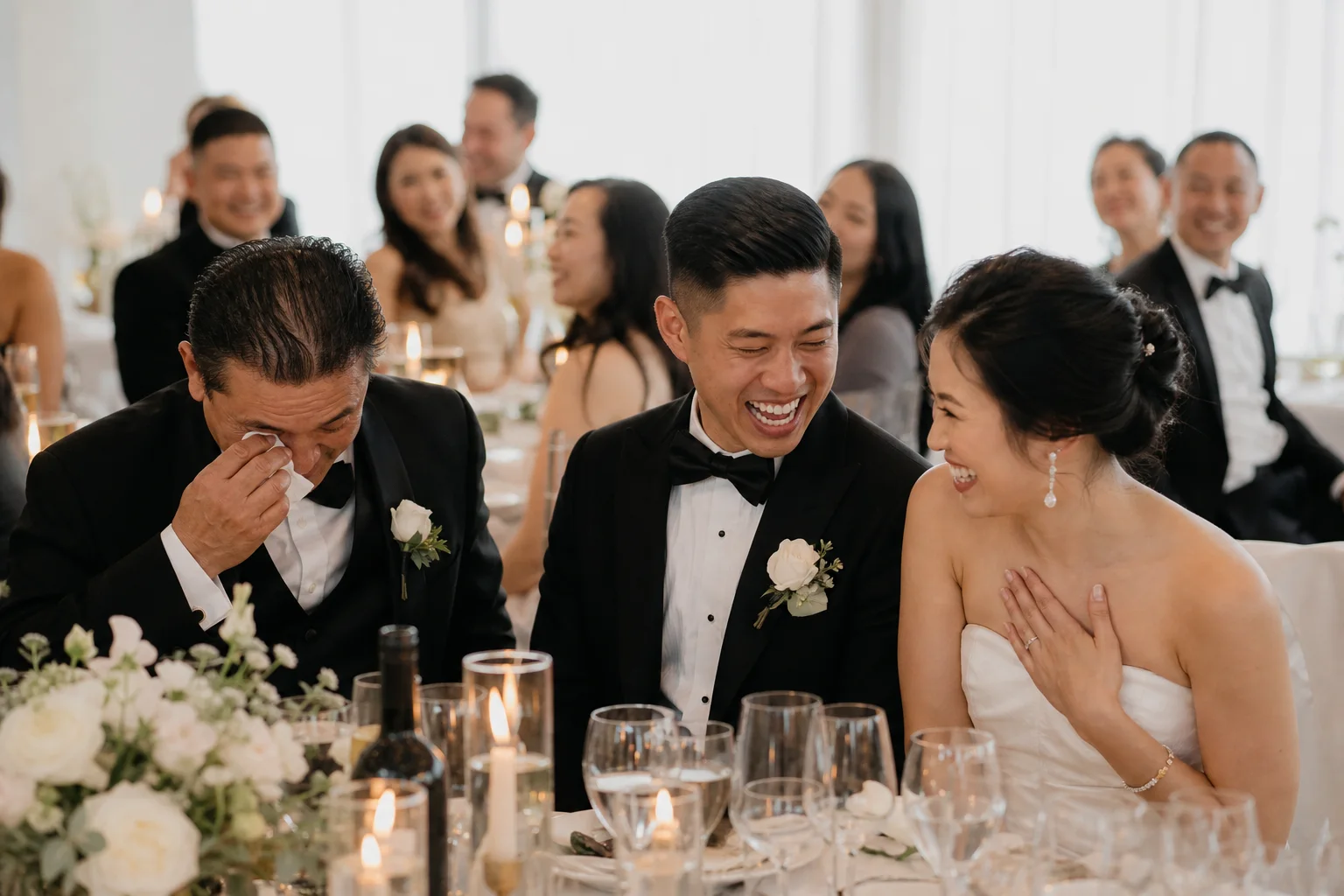
These terms are commonly used for an observational approach built around real events and unscripted reactions. The photographer anticipates interactions, chooses a strong angle and background, and works without repeatedly interrupting the moment.
Documentary does not mean careless or technically rough, and it does not eliminate every formal portrait. Most documentary photographers will still organize essential family groups when asked. The distinction is that the main story comes from what actually happens rather than from a sequence created for the camera.
3. Lifestyle or guided-candid wedding photography
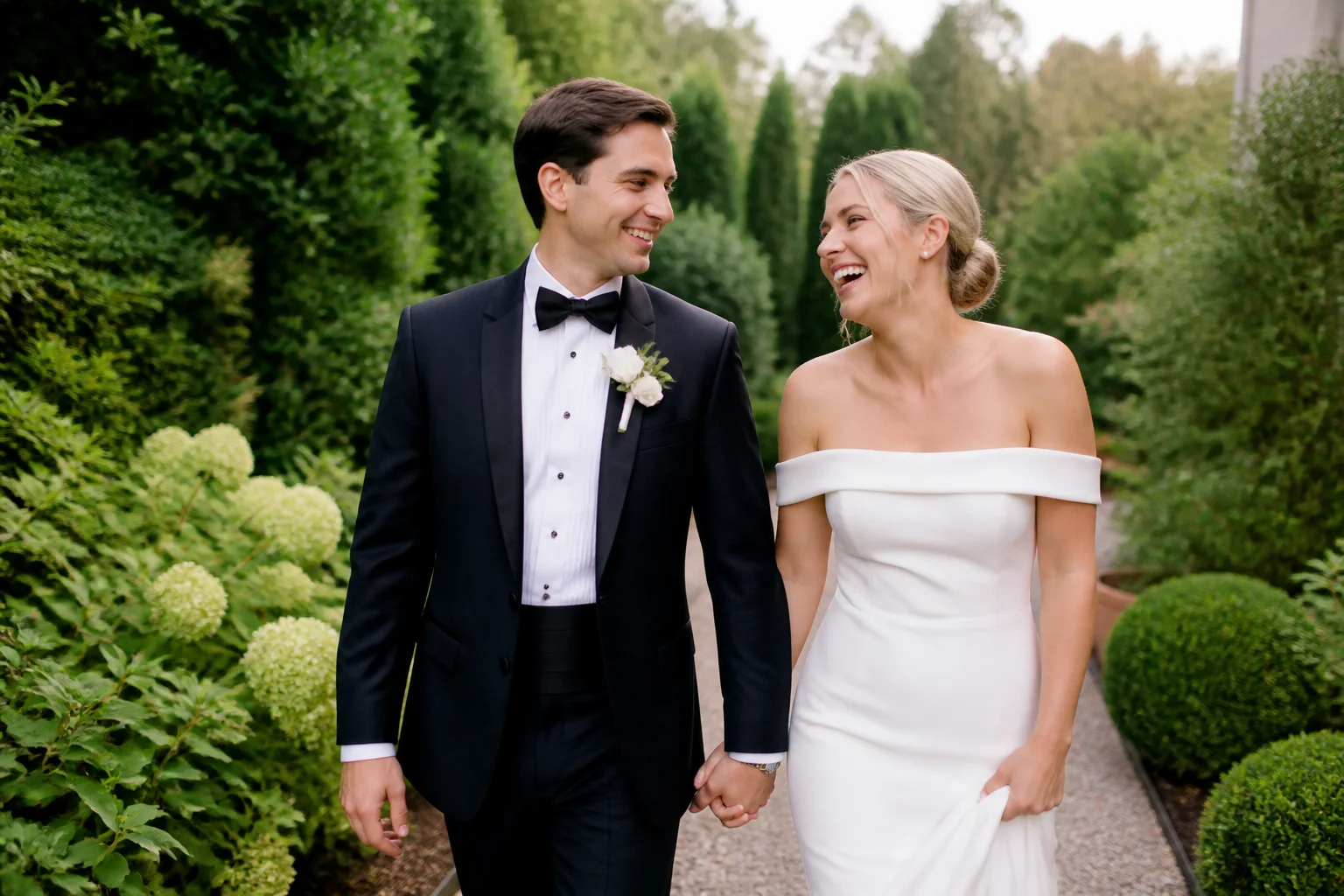
Lifestyle coverage sits between observation and formal posing. The photographer may choose a window, ask the couple to walk, adjust where a hand rests, or give a conversational prompt—then photograph the natural interaction that follows.
This can be an excellent fit for people who want relaxed-looking pictures but do not feel confident creating them without guidance. When reviewing portfolios, look for natural body language as well as pretty backgrounds; “candid” expressions are not convincing if every pair of hands appears tense.
4. Editorial or high-fashion wedding photography
Editorial photography borrows from fashion magazines and advertising. The photographer pays close attention to posture, clothing, light, architecture, and the relationship between people and the set. Portraits may look effortless, but they are usually designed with precision.
Ask how much time the photographer needs. A few editorial portraits may fit into a normal wedding timeline; a substantial fashion-led story requires more planning, suitable locations, lighting control, and a couple comfortable receiving detailed direction.
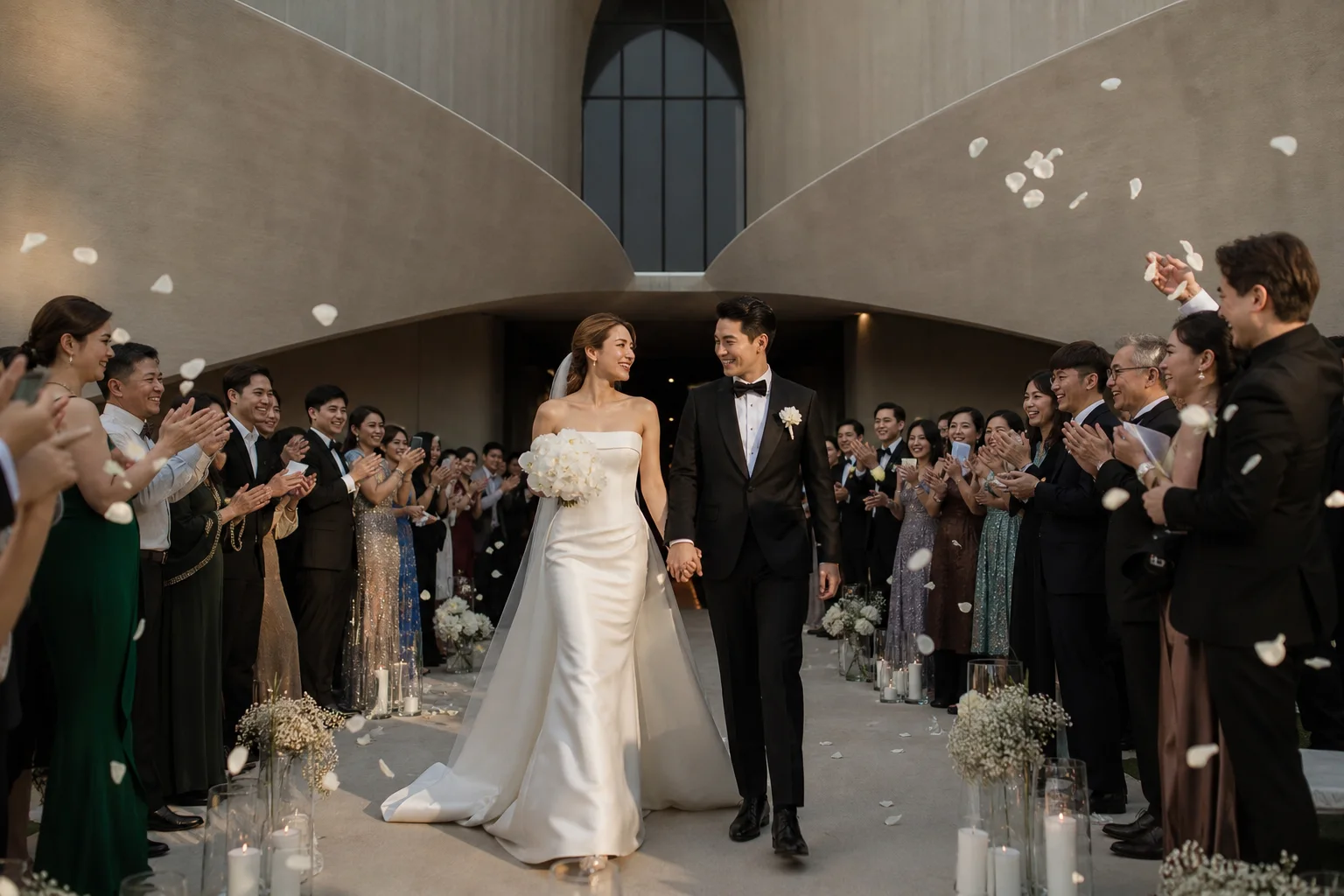
Styles based mainly on the finished visual look
5. Fine-art wedding photography
Fine-art wedding photography is an artistic, composition-led approach rather than a single preset. It often emphasizes beautiful light, careful framing, negative space, delicate details, and portraits intended to feel at home as prints. Many fine-art photographers are influenced by film, painting, fashion, or landscape photography.
The term overlaps with editorial and light-and-airy work, but it is not automatically either. Some fine-art galleries are soft and luminous; others are restrained, dark, or experimental. The photographer's complete body of work is more informative than the label.
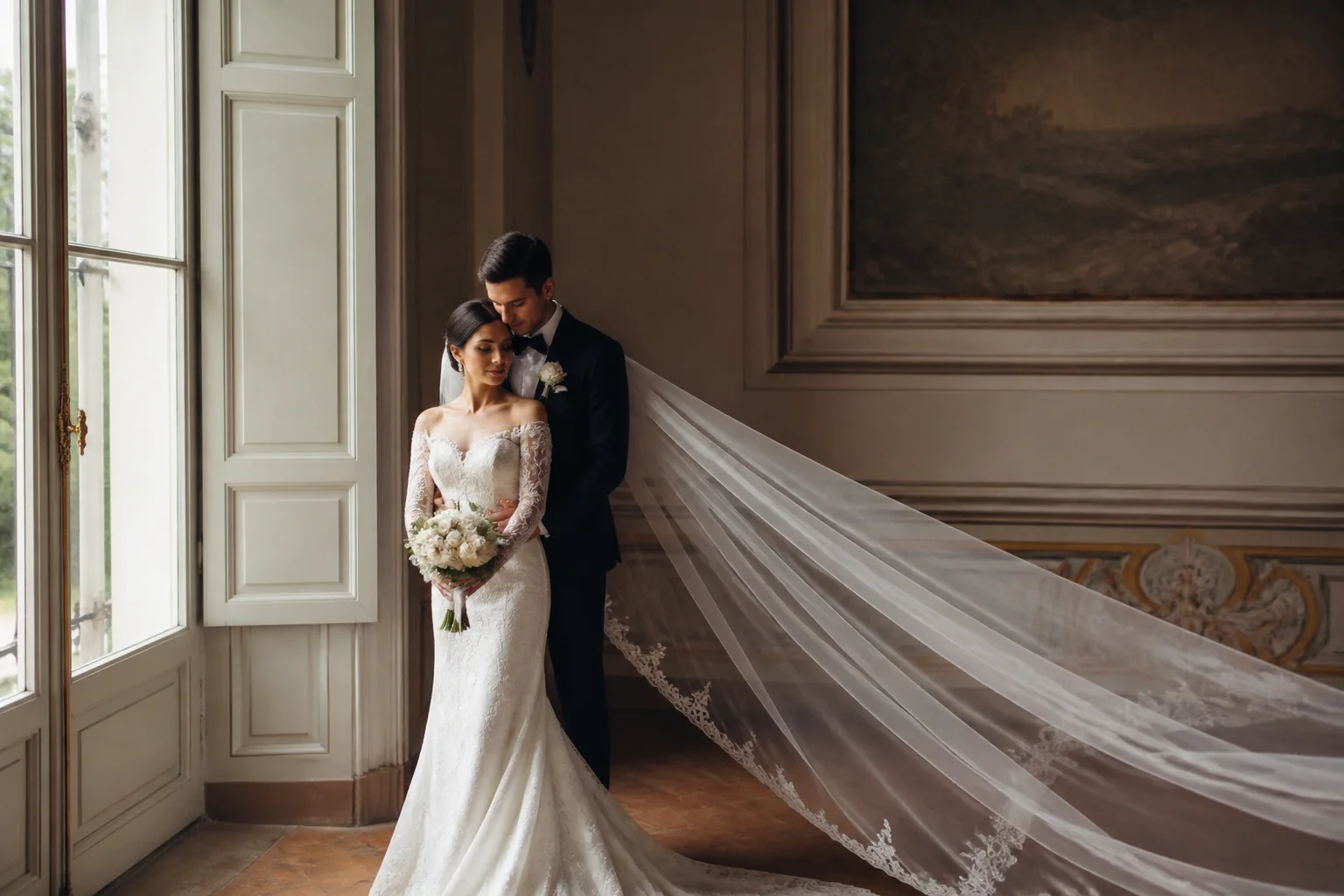
6. True-to-color or natural-color wedding photography
True-to-color editing aims to keep skin, flowers, clothing, and decor close to how they appeared. Whites remain believable, greens do not turn brown, and a carefully chosen color palette is not replaced by a strong preset.
No photograph is completely neutral: camera sensors, lighting, white balance, and artistic decisions always affect color. Look for consistency across daylight, mixed indoor light, and flash. A portfolio can appear natural outdoors yet struggle with orange skin or unusual dress color inside a reception.
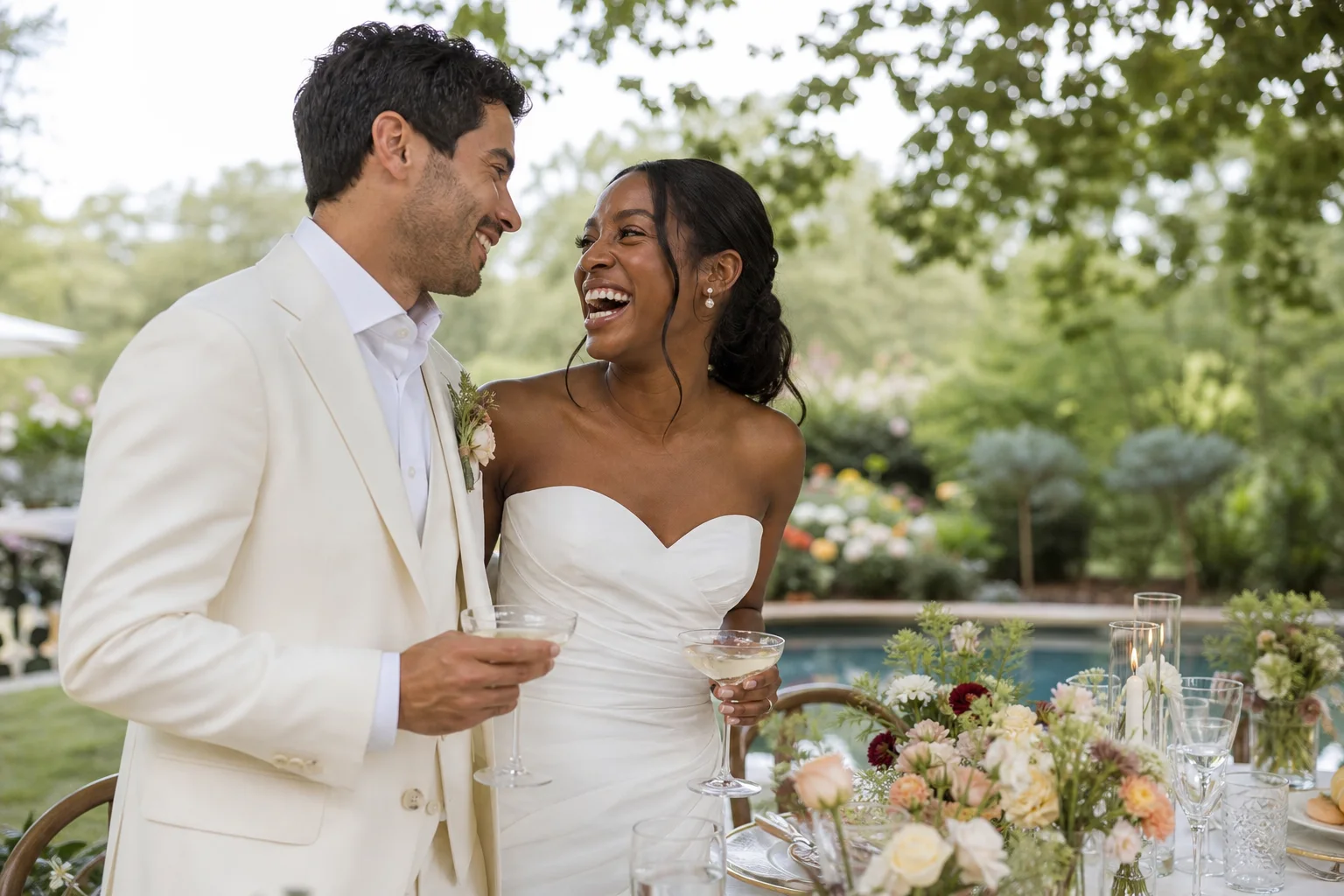
7. Light-and-airy wedding photography
Light-and-airy photographs use bright exposure, lifted shadows, soft contrast, and frequently pastel or muted color. The look can feel romantic and spacious, particularly in gardens, pale interiors, coastal venues, and other locations with abundant soft light.
The style should still preserve faces, dress texture, and important highlights. Ask to see midday ceremonies, dark rooms, and receptions—not only portraits made near a bright window. A capable photographer adapts the approach when the venue is not naturally airy.
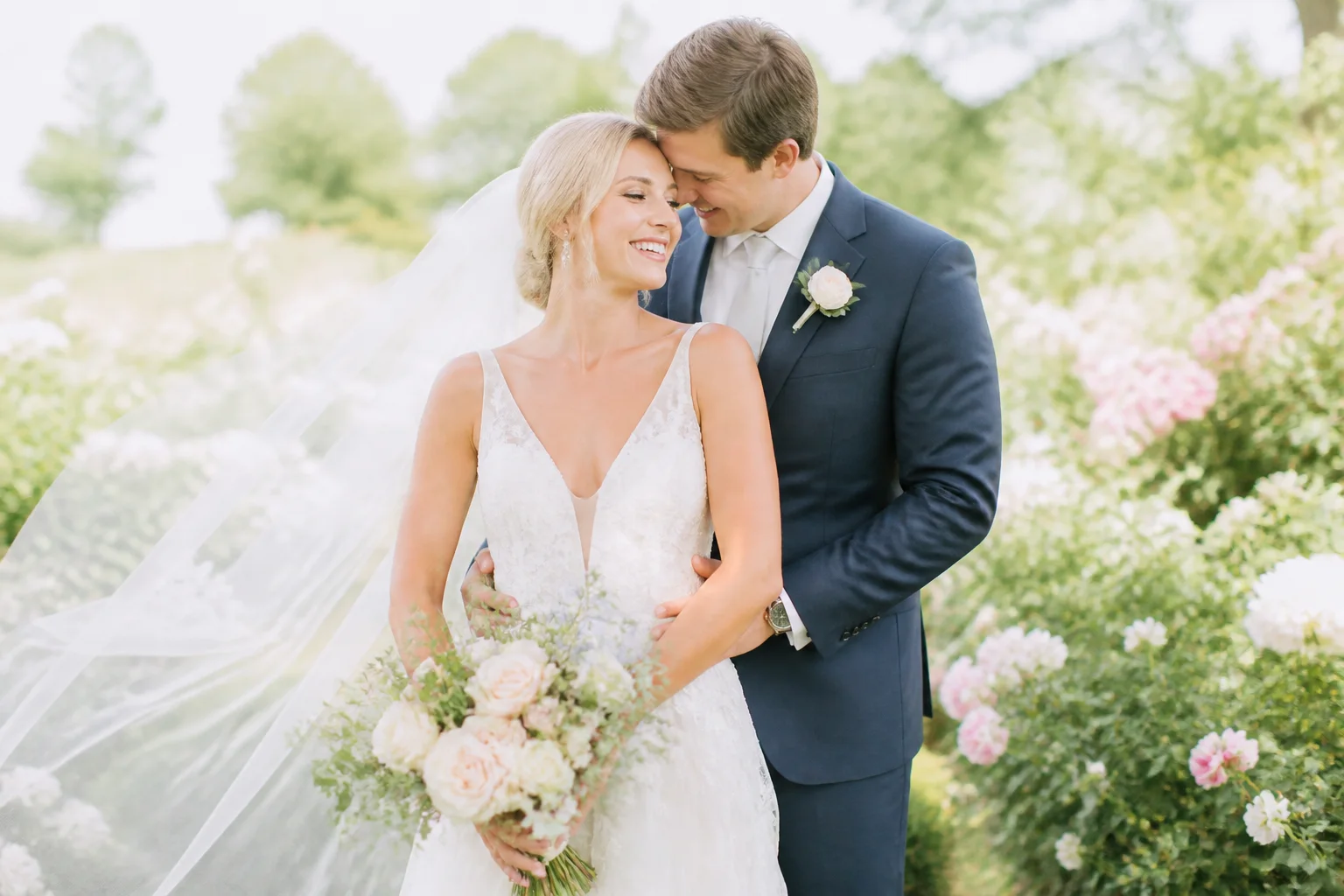
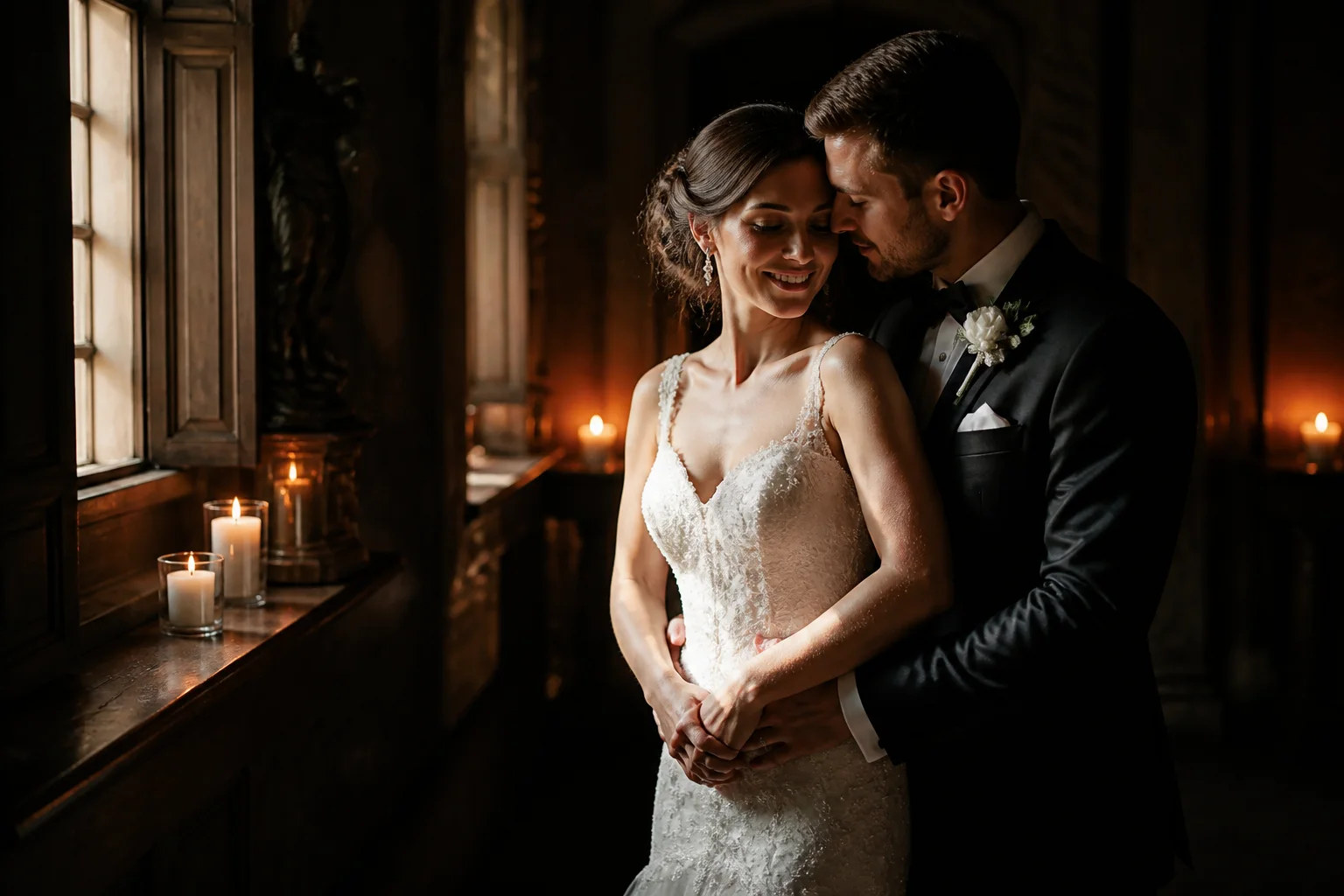
8. Dark-and-moody wedding photography
Dark-and-moody work uses deeper shadows, richer color, stronger contrast, and sometimes warmer or earthier tones. Photographers may place people in directional light, expose for highlights, and use the venue's darkness as part of the composition.
Moody should not mean that every face is muddy or every green becomes brown. Check how the photographer handles dark skin, black clothing, candlelight, and family groups. Important expressions and details should remain readable even when the atmosphere is dramatic.
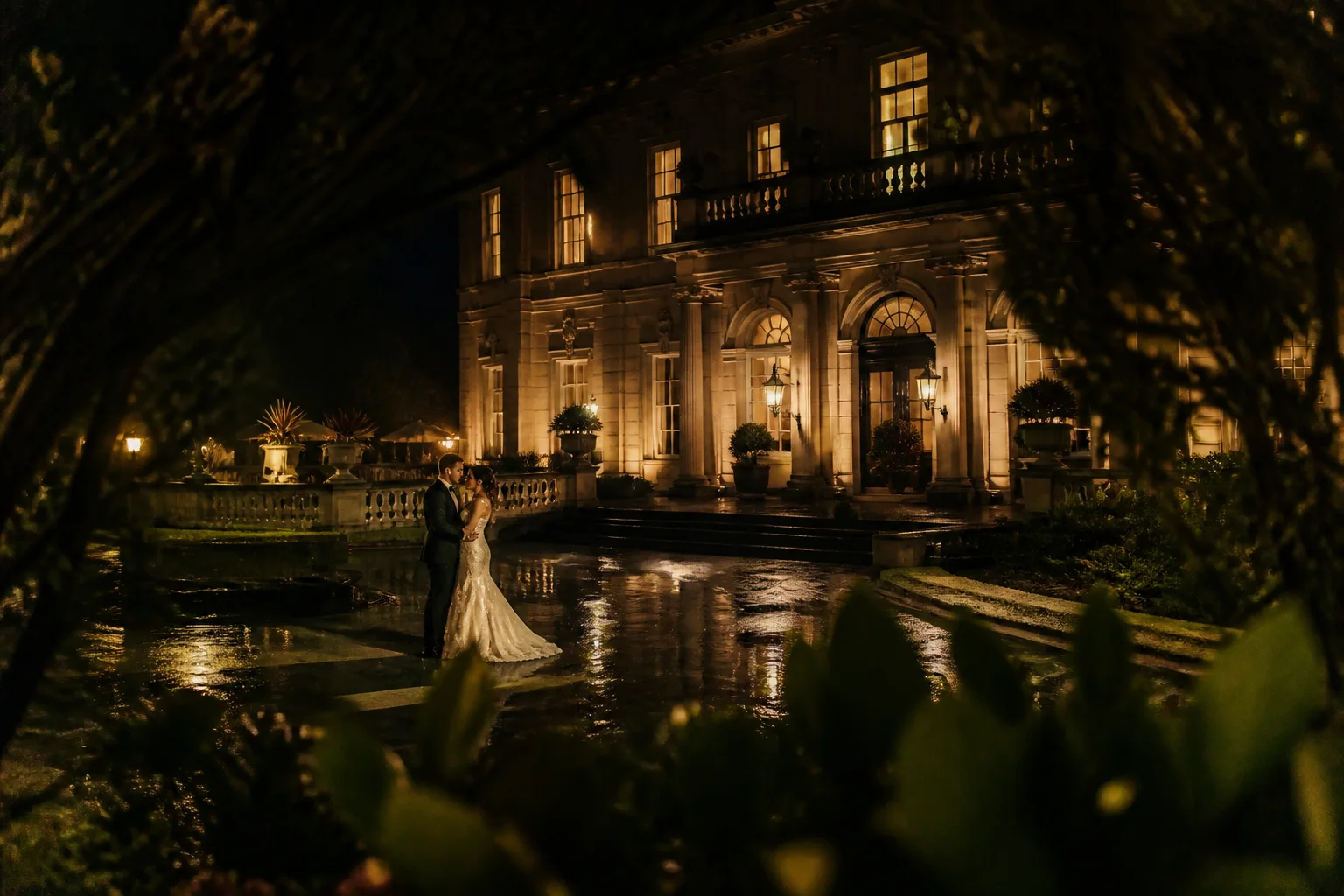
9. Cinematic or dramatic wedding photography
Cinematic wedding photography treats the environment as part of the story. Wide compositions, layered foregrounds, movement, atmospheric weather, strong backlight, or controlled off-camera lighting can make a still image feel like a frame from a film.
The word is used broadly, so ask what it means to the photographer. Some create carefully lit night portraits; others use a documentary sequence and cinematic color. Decide whether you want a handful of dramatic hero images or that mood across the full gallery.
Styles based on medium or a distinctive technique
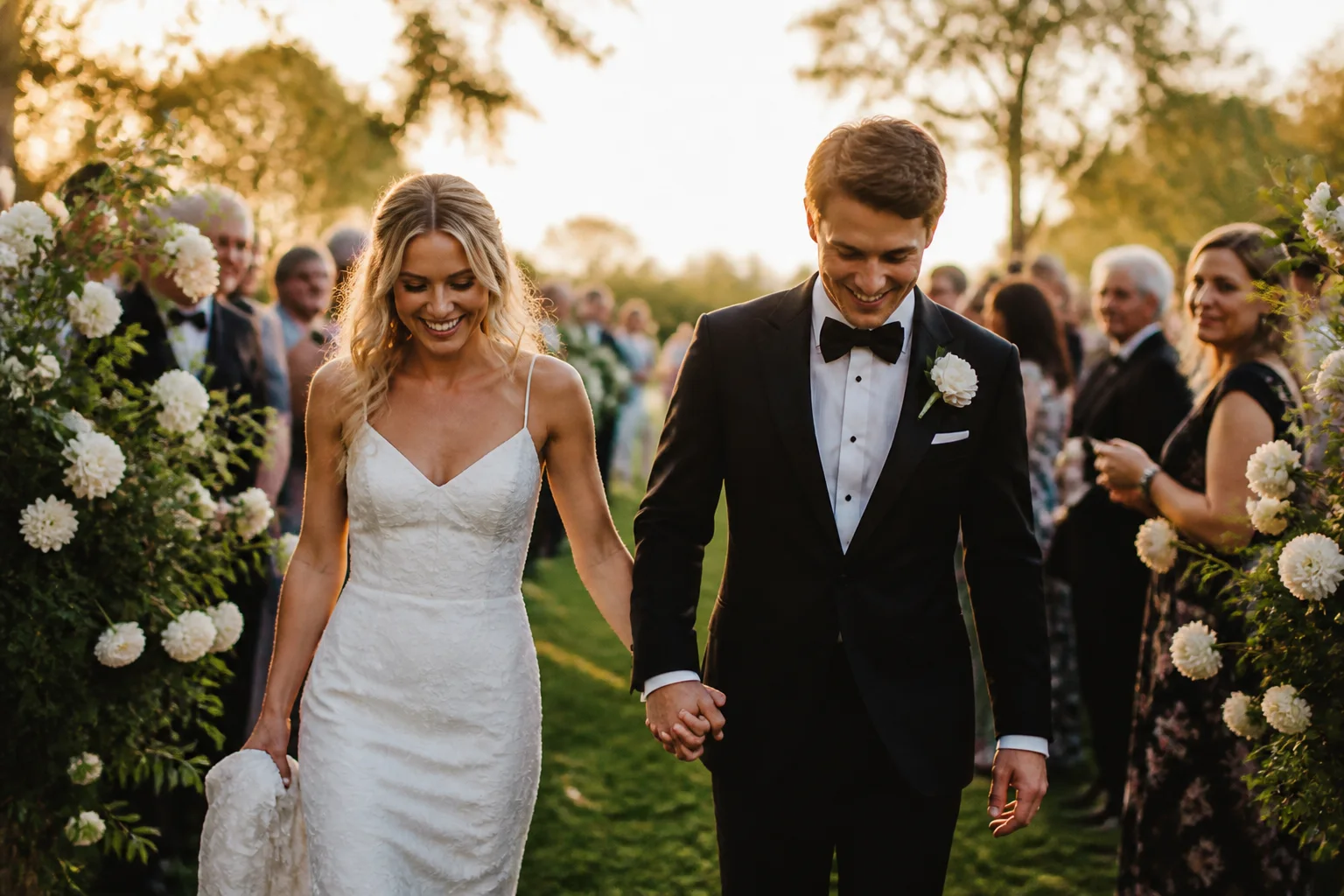
10. Film and film-inspired wedding photography
Film photography means the image is recorded on photographic film and later developed and scanned or printed. Different film stocks, exposure choices, lenses, laboratories, and scanning methods influence color, grain, contrast, and highlight detail. Film-inspired digital work tries to echo some of those qualities without using film for every frame.
Many photographers work in a hybrid way, using film for selected portraits and digital cameras for fast action, low light, or backup coverage. Ask what percentage of the gallery is film, whether film is included or an add-on, how files are scanned, and whether the turnaround differs.
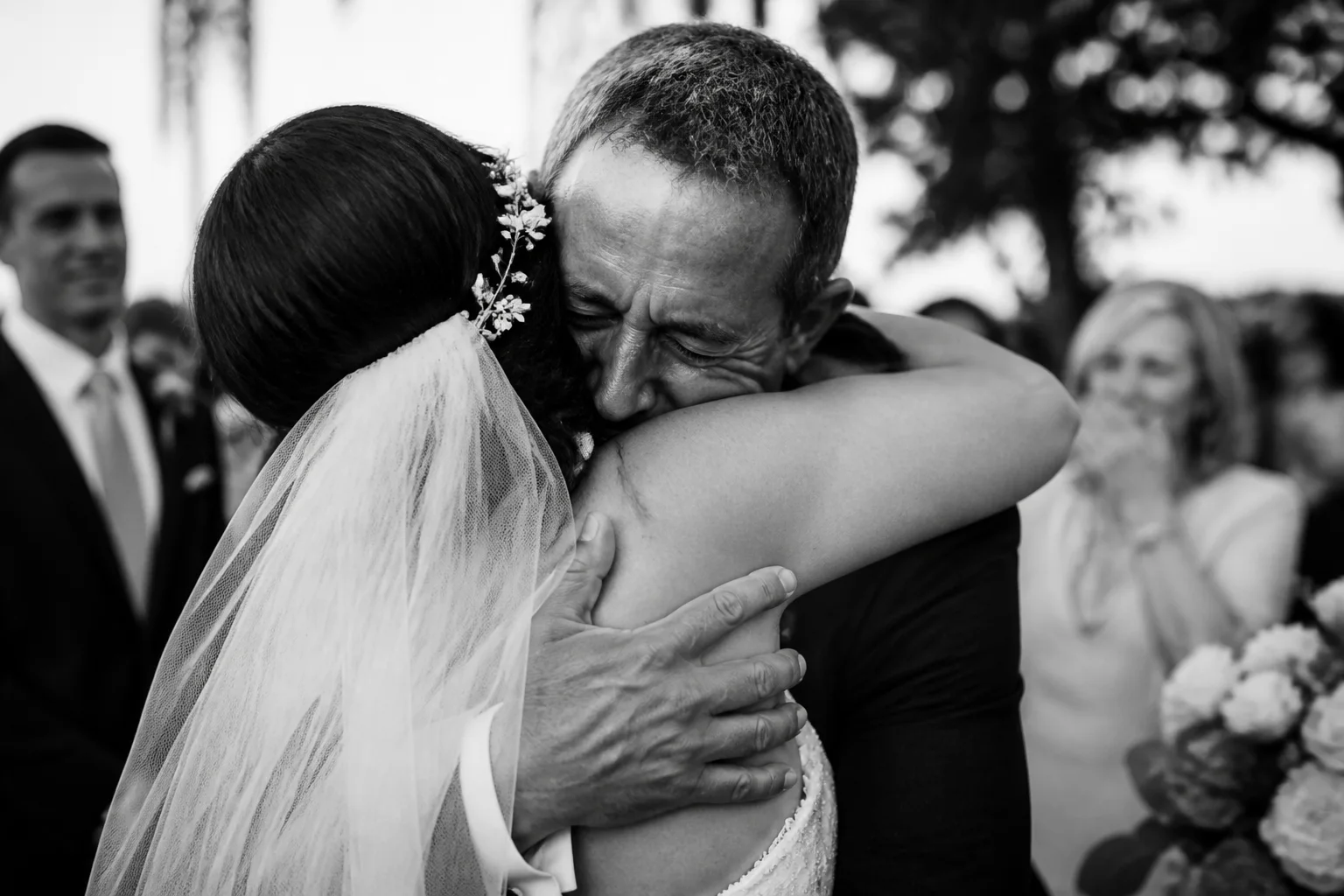
11. Black-and-white wedding photography
Black-and-white removes color so gesture, expression, light, and geometry carry more weight. It is effective for emotional moments, distracting mixed lighting, graphic architecture, and reception images where color is less important than energy.
Most photographers deliver a selection rather than an entirely monochrome wedding. Ask whether black-and-white images also come in color if that matters to you; some photographers choose one version as part of their authorship and do not provide duplicates.
12. Direct-flash wedding photography
Direct flash points a small, hard light toward the subject, producing crisp detail, defined shadows, bright foregrounds, and a spontaneous nightlife or paparazzi feeling. It works especially well during dancing, cocktail hour, cake cutting, and playful late-night portraits.
It is a technique, not a complete coverage philosophy. A photographer may combine natural-light ceremony pictures, editorial portraits, bounced-flash speeches, and a short direct-flash dance-floor sequence. Review how they handle red-eye, reflections, shiny skin, and guests very close to the lens.
What about intentional blur, drone pictures, and vintage style?
Intentional motion blur can add movement and energy, but it is normally an accent within a larger gallery. Drone and aerial photographs describe the camera position, not the overall look; they may provide one valuable view of a ceremony or venue when weather, local rules, and aviation restrictions allow.
“Vintage” is especially broad. It may refer to real film, film-inspired color, direct flash, period clothing and decor, an older lens, or deliberate aging in post-production. Ask which choices create the vintage feeling and look for those choices across a complete wedding.
How to choose your wedding photography style
Start with the experience you want
Would you rather spend most of cocktail hour with guests, or are ambitious portraits a highlight of the day for you? Do you want decisive posing or minimal interruption? The photographer's working method affects the timeline and your comfort more directly than a color preset does.
Study what you repeatedly save
Collect 15 to 20 photographs you genuinely like, then look for patterns. Are they quiet reactions or directed portraits? Bright or shadowy? Close and emotional or wide and architectural? Reduce the collection to a few priorities instead of asking one photographer to reproduce unrelated portfolios.
Consider the real venue and timeline
A pale garden portfolio does not show how someone will handle a windowless ceremony or a winter reception after sunset. Style should guide the work, but technical ability must carry it through every condition. Ask for galleries from weddings with similar light, season, venue type, and guest count.
Review at least two complete galleries
Portfolio pages prove that a photographer can make selected beautiful images. Full galleries show whether they can sustain quality. Look at preparation, ceremony entrances, family groups, speeches, dance-floor coverage, details, transitions, and the final hour—not only couple portraits.
Choose the photographer, not a request for a new preset
Editing is part of the photographer's authorship and workflow. If you dislike their normal skin tones, contrast, or treatment of greens, do not assume they will deliver an entirely different look for your wedding. Hire someone whose existing work is already close to what you want.
Questions to ask before booking
- How do you describe your shooting approach, and how much direction do you normally give?
- What proportion of a typical gallery is candid, lightly directed, and formally posed?
- Can we see two complete recent galleries, including one with lighting similar to our venue?
- How do you photograph family groups efficiently?
- How do you handle dark ceremonies, mixed-color reception lighting, rain, and harsh midday sun?
- Do you use digital, film, or both? If both, what should we expect in the delivered gallery?
- How consistent is your editing across different skin tones and lighting conditions?
- Are black-and-white photographs also delivered in color?
- How much portrait time do you recommend for the work shown in your portfolio?
- Will the lead photographer whose work we reviewed photograph our wedding?
Red flags in a style conversation
- The photographer cannot explain how their approach changes the timeline or the amount of direction.
- The portfolio contains only styled shoots or model-led editorials, with no complete real wedding available.
- Every image comes from golden hour, while your ceremony and reception will be indoors or after dark.
- Skin color, dress color, and white balance change dramatically from image to image.
- The photographer promises to copy another professional's editing style rather than showing consistent work of their own.
- You like the photographs but feel uncomfortable with the way the photographer communicates or directs people.
A practical way to describe what you want
You do not need to identify one perfect label. A useful description might be: “We want mostly documentary coverage, efficient classic family portraits, a short set of editorial couple images, and natural color throughout.” That sentence communicates the experience, the essential records, the creative priority, and the finished look.
The right style is the combination you want to live through on the day and look at afterward. When both parts fit, the label itself becomes much less important.
Frequently Asked Questions
-
There is no universal winner, and labels vary by market. Documentary or candid coverage is widely requested, but most couples also want organized family portraits and some directed couple photographs, so blended approaches are common.
-
Yes. A photographer may use documentary coverage for events, classic direction for family groups, editorial posing for selected portraits, and one consistent color treatment across the gallery. Ask about the usual balance and review full weddings.
-
Timeless is subjective, but consistent skin tones, readable detail, purposeful composition, and restrained editing tend to age more quietly than extreme color shifts or effects. Choose work you already enjoy outside current wedding trends.
-
You can discuss preferences before booking, but you should not expect a photographer to imitate another artist or replace their established editing style. Select someone whose normal full galleries already match your taste.
-
Neither is inherently better. Film offers a particular capture process and rendering; digital offers speed, high frame capacity, flexible low-light performance, and immediate backup options. Many photographers combine them.