Guides Guide
How to Choose a Tripod Head for Landscape Photography
Compare ball, three-way, geared, leveling, panoramic, and gimbal heads for precise landscape framing, panoramas, long lenses, and travel.
Clear, no-nonsense answers to common photography questions — read in a few minutes, skip the fluff.
Compare ball, three-way, geared, leveling, panoramic, and gimbal heads for precise landscape framing, panoramas, long lenses, and travel.
Pair a digital camera with an iPhone or Android phone for photo transfer and remote shooting, and fix the Wi-Fi and Bluetooth problems that commonly get in the way.
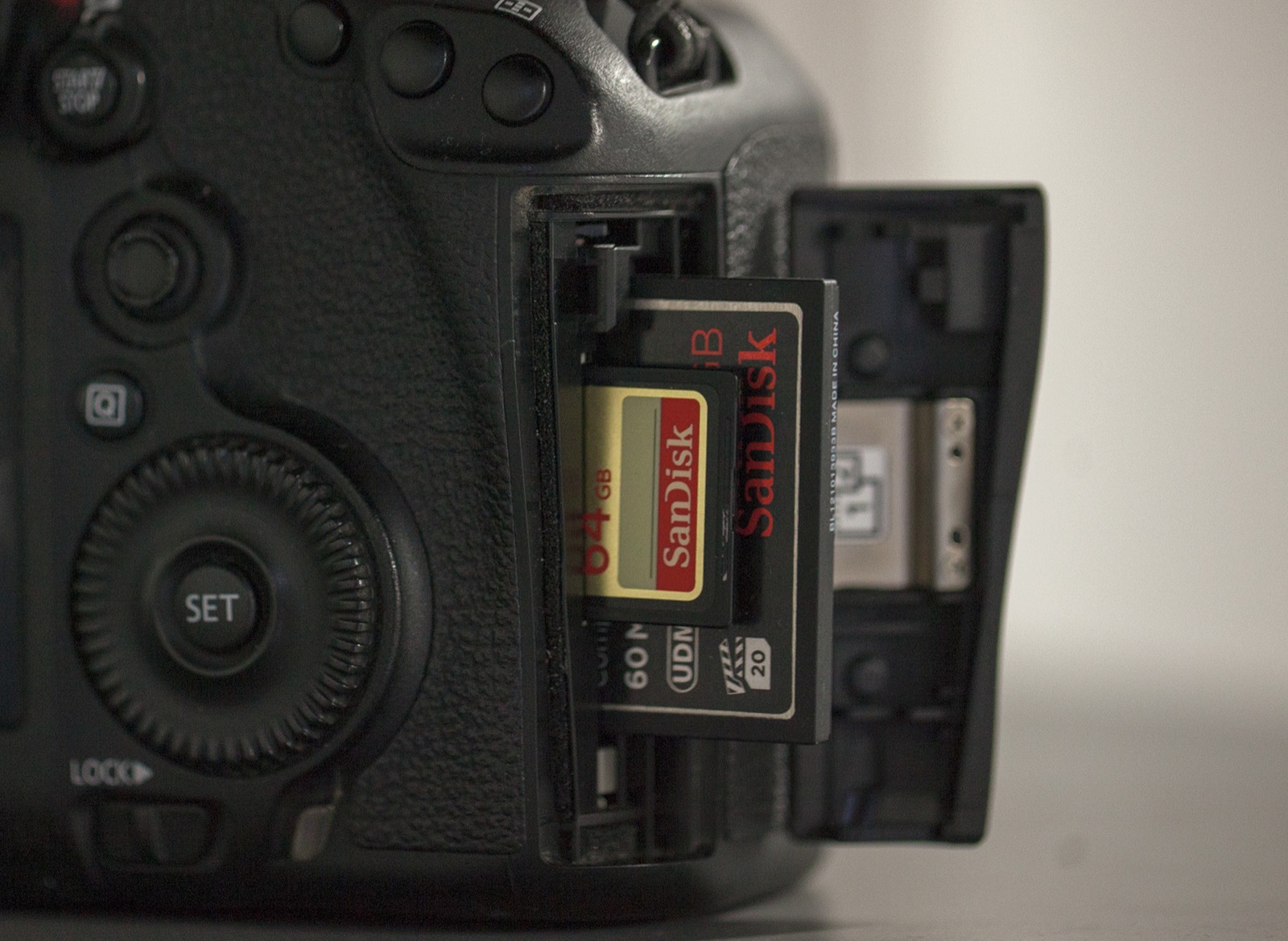
Learn when and how to format an SD or CFexpress card in your camera without losing photos, plus what quick and full formats actually do.
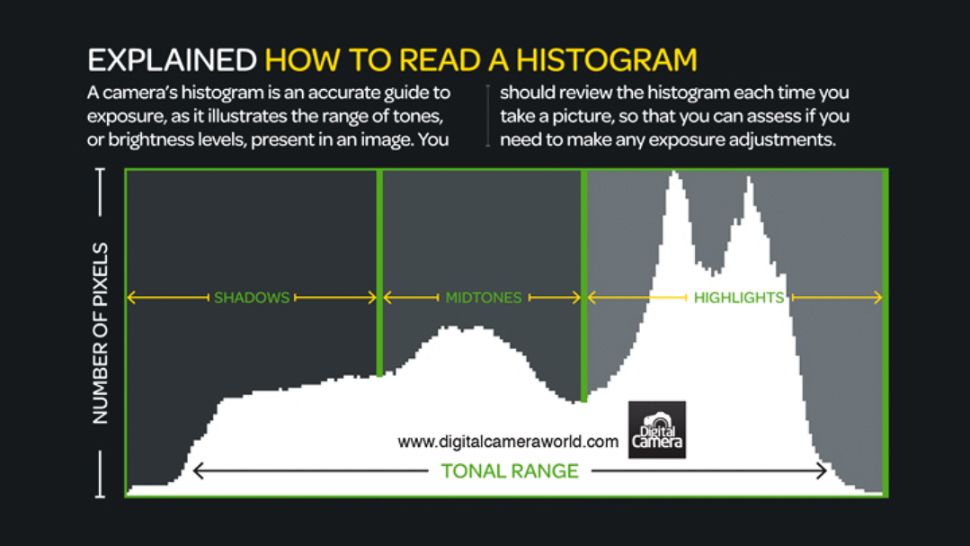
Read shadows, midtones, highlights, and clipping on a camera histogram—and use the graph without trying to force every photograph into one shape.
Control hard shadows and bright highlights in midday sun with better subject placement, exposure, shade, diffusion, reflectors, and restrained fill flash.
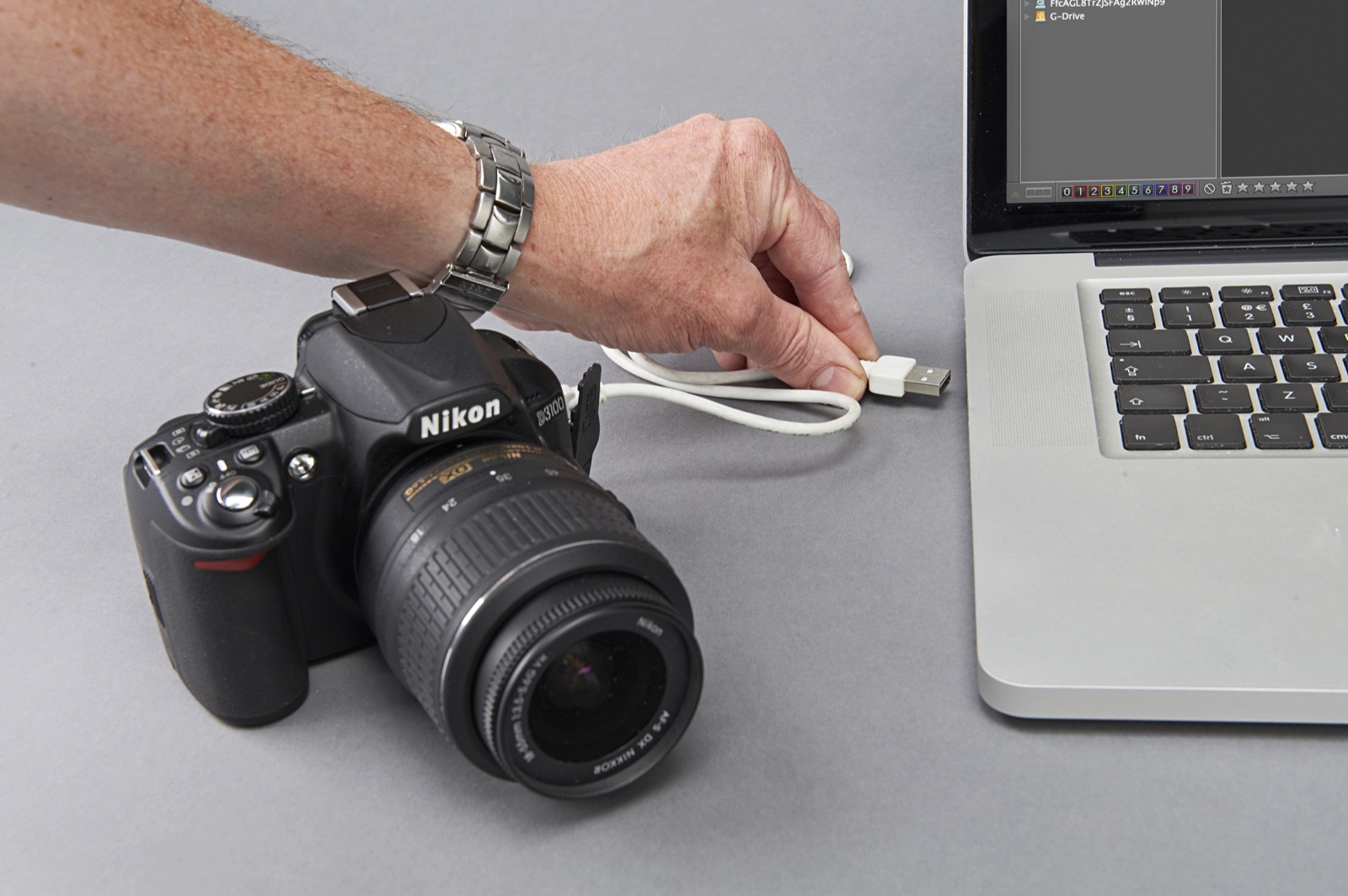
Move photos and video by card reader, USB, or wireless connection without losing files, then verify and back up the transfer before clearing the card.
Set up your camera, understand its essential controls, focus reliably, and follow a simple shooting routine that works with DSLR and mirrorless cameras.
Use a simple 3×3 grid to place subjects, horizons, faces, and movement with more intention—and learn when centered framing is the stronger choice.
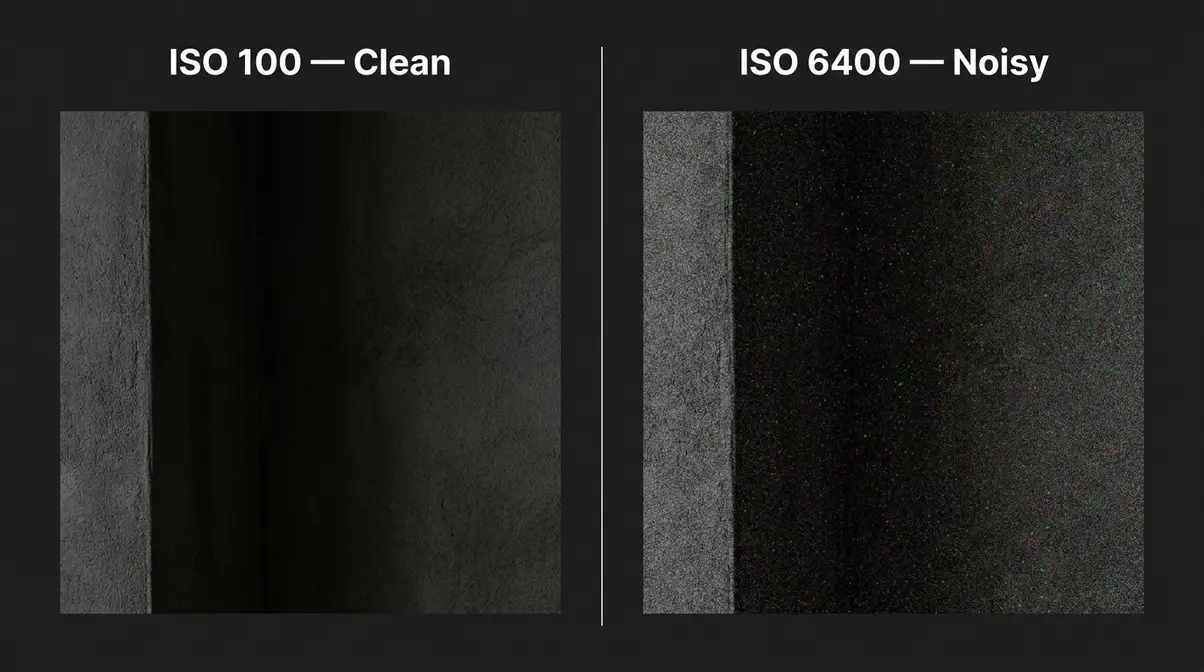
Learn what digital camera ISO actually changes, why high-ISO photos show noise, how ISO stops work, and when Auto ISO is the smartest setting.
Compare monopod mobility and lens support with tripod stability, locked composition, long exposures, video movement, portability, and safety.
Learn how optical zoom, sensor cropping, digital enlargement, phone camera switching, and computational zoom affect detail and image quality.
Plan outdoor photos around sun angle, weather, shade, golden hour, blue hour, reflectors, and changing exposure instead of hoping for one kind of perfect light.
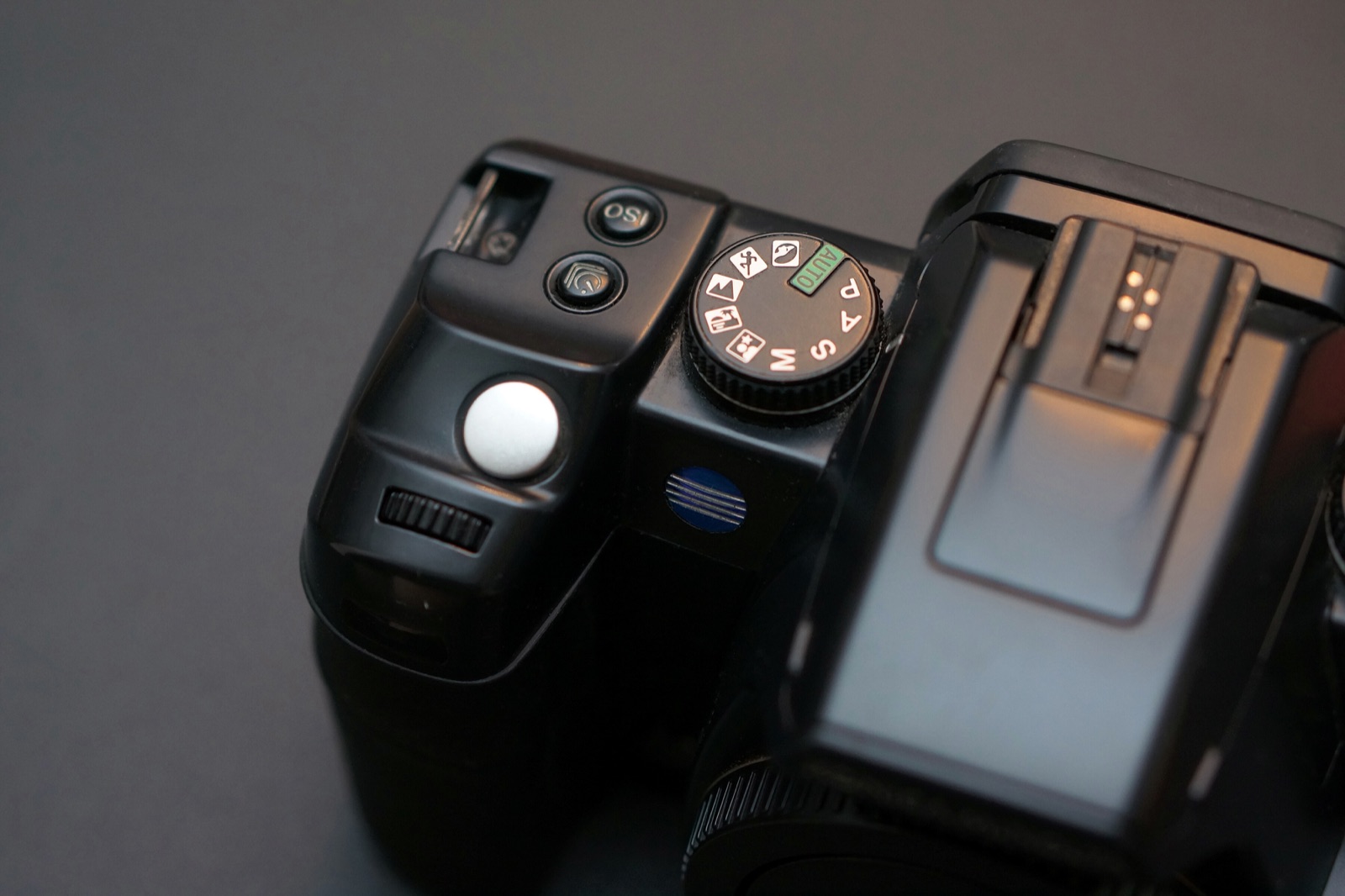
Learn what Program, Aperture Priority, Shutter Priority, and Manual modes control—and choose the simplest camera mode for each photograph.
Compare RAW and JPEG image quality, editing flexibility, file size, speed, compatibility, and workflow—and decide when RAW+JPEG is worthwhile.
Learn how shutter-speed stops change exposure, how to freeze or blur motion, and how to avoid both camera shake and subject movement.
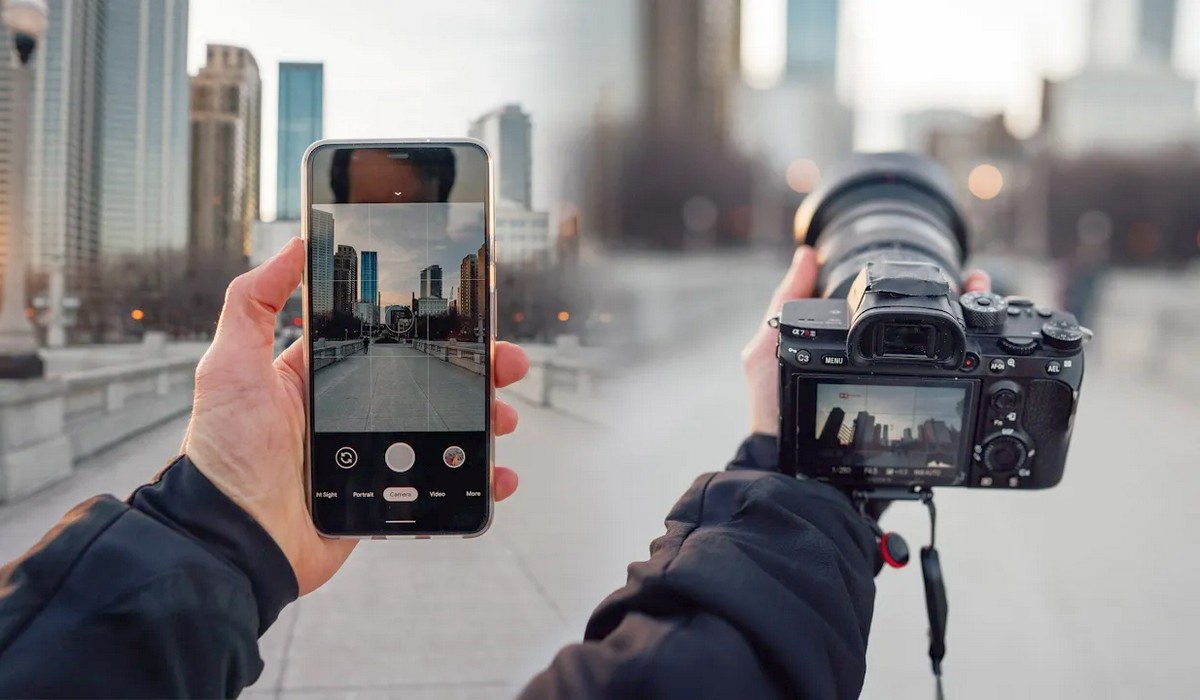
Compare smartphone and dedicated cameras by image quality, computational processing, zoom, low light, autofocus, controls, video, workflow, and cost.
Find and photograph bilateral, reflection, radial, and repeating symmetry with precise alignment, clean edges, controlled perspective, and purposeful interruptions.
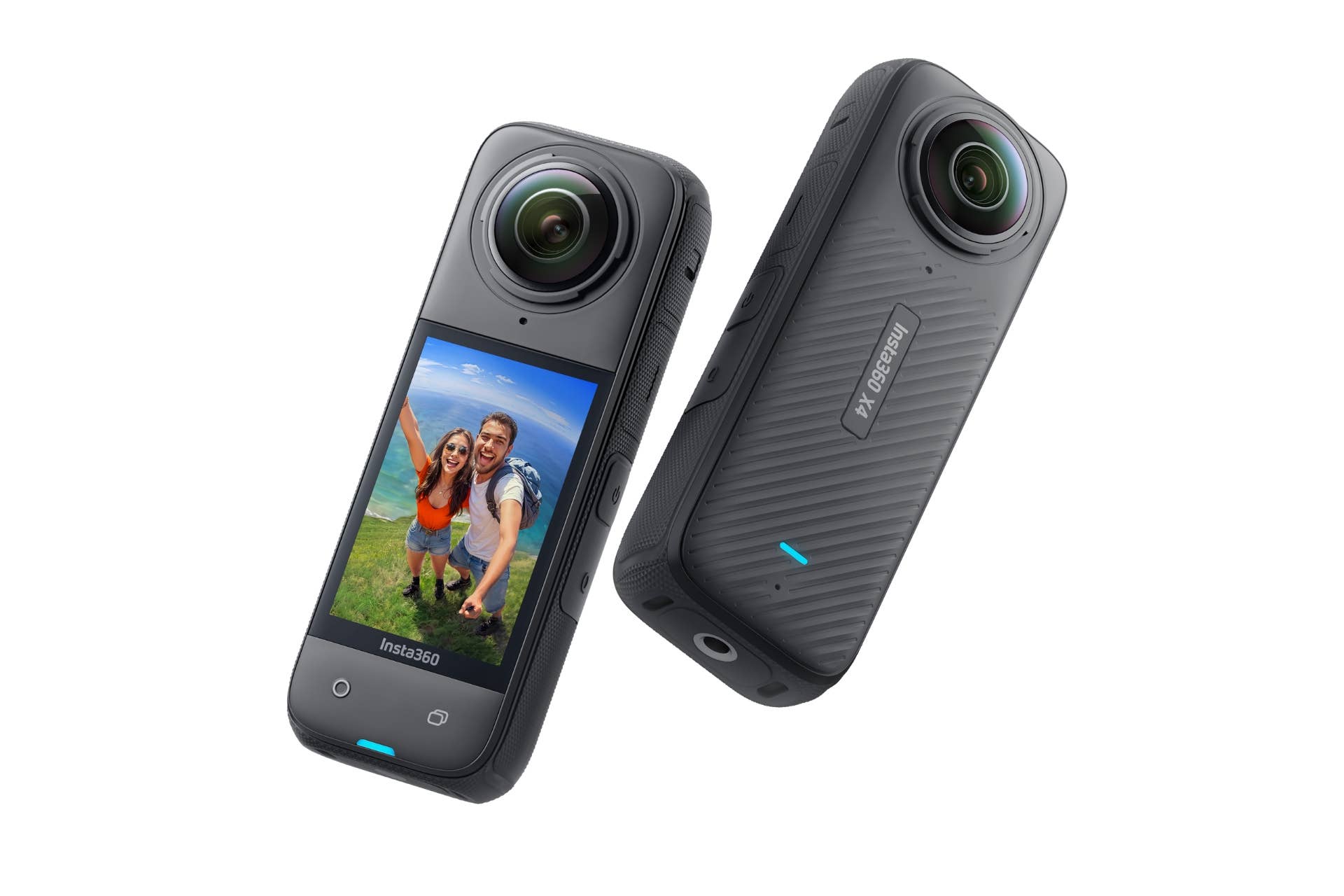
Learn how dual fisheye lenses capture and stitch a spherical view, how reframing works, why 360 resolution is different, and how to avoid visible seams.
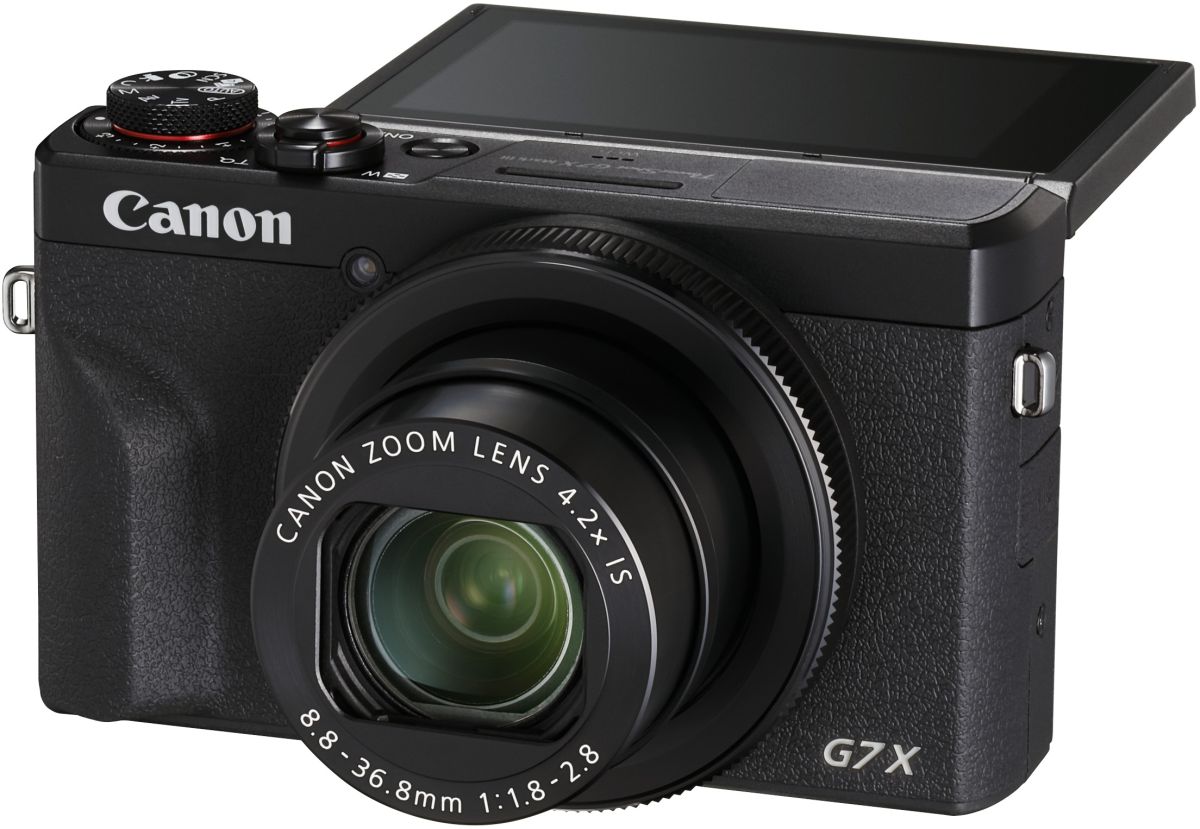
Learn what makes a camera point-and-shoot, how compact cameras differ from phones and interchangeable-lens systems, and which features actually matter.
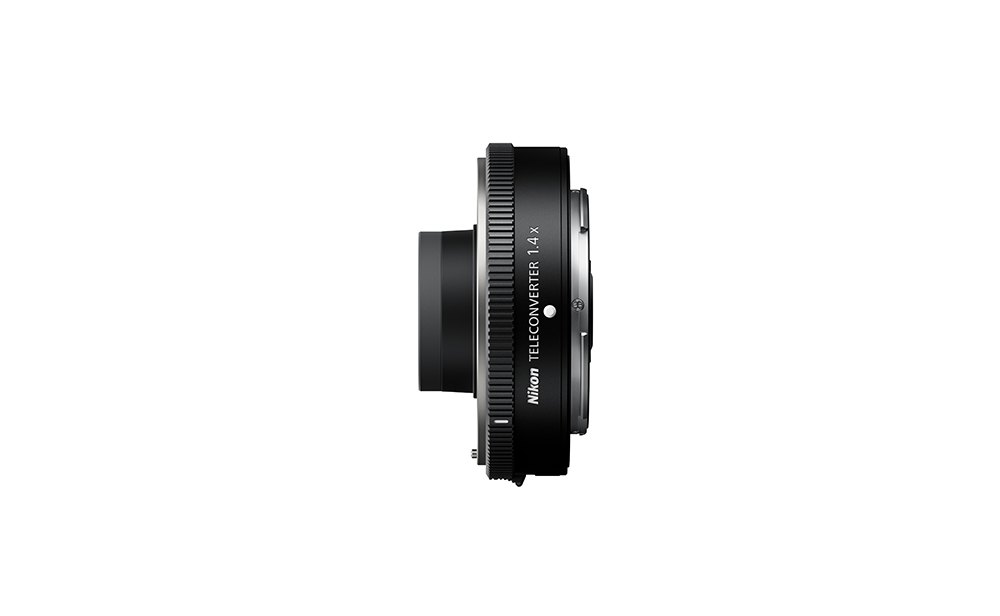
Learn how 1.4x and 2x teleconverters change focal length, aperture, autofocus, sharpness, close-up magnification, and lens compatibility.
Understand anamorphic squeeze ratios, de-squeezing, aspect ratios, horizontal field of view, oval bokeh, lens flares, focusing, and camera compatibility.
Learn how neutral-density filters reduce light, how ND numbers and stops relate, and how to use fixed, variable, and graduated filters for photos and video.
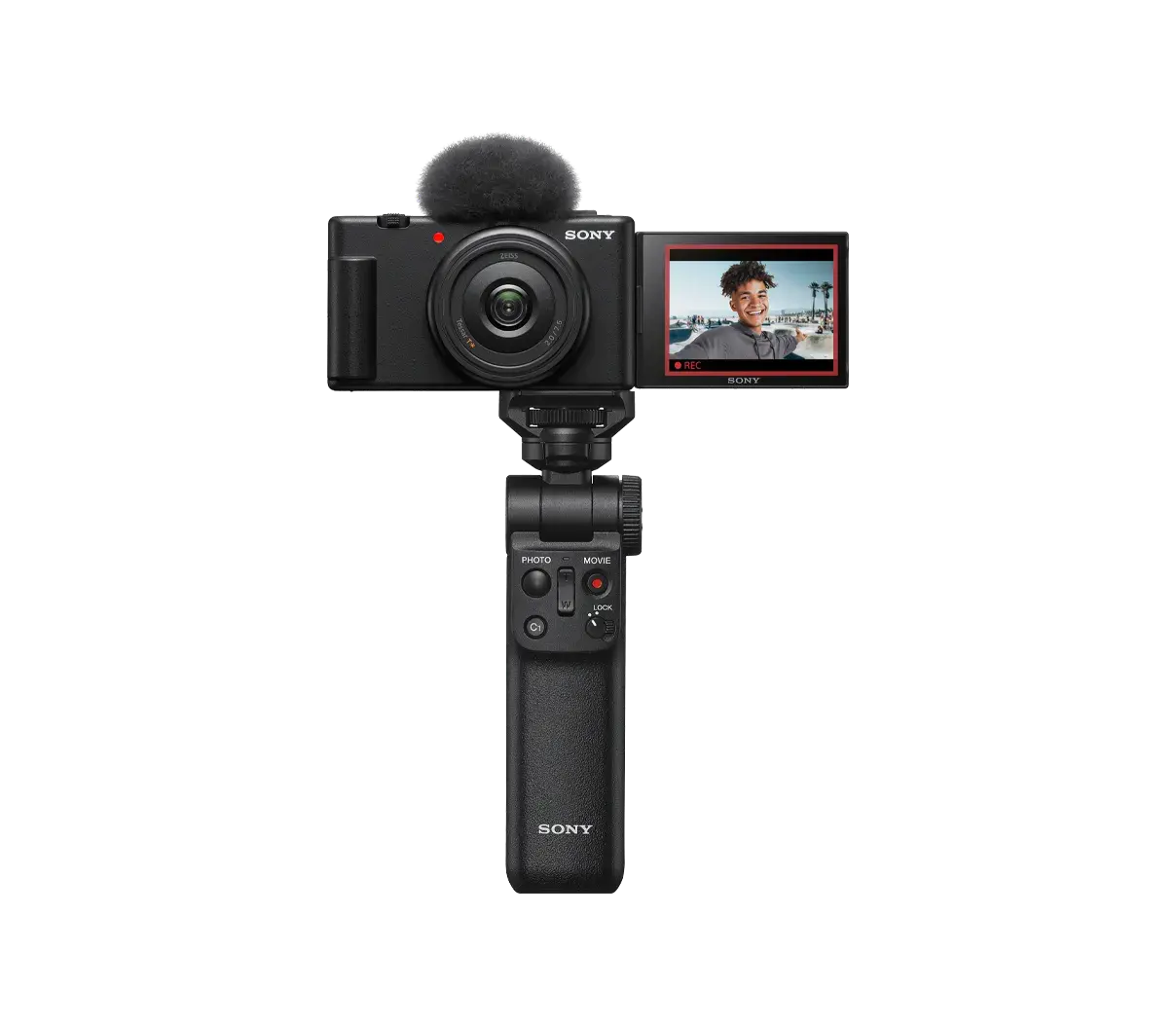
Choose a vlogging camera by framing, autofocus, audio, stabilization, recording reliability, battery, connectivity, and workflow—not specifications alone.
Learn how aperture, shutter speed, and ISO work together—then use a simple decision order to choose settings without guessing or memorizing recipes.