Best Overall

Nikon Z 24-120mm f/4 S
Key details
- Stabilization
- Z5 IBIS only
- Focal Length / Type
- 24-120mm zoom
- Weight / Portability
- 1.4 lb
- Max Aperture / Low Light
- f/4 constant
The constant f/4 aperture across a true 5x range is the core engineering story: 24mm wide through 120mm telephoto without a variable aperture penalty. Edge-to-edge sharpness at f/4 is the standout trait, with corners that hold detail rather than softening toward the frame edges. The dual STM autofocus snaps focus quickly, and close focus to 1.15 ft adds practical detail work. The 1.4 lb weight keeps the kit balanced on a Z5 without making it feel front-heavy during long days.
For a Z5, this lens removes the need to swap between a wide zoom and short telephoto during a day of mixed shooting. At 24mm, interiors and group shots fit without stepping back; at 120mm, a headshot tightens without moving into a subject's space. The 77mm filter thread works well for polarizer or variable ND use, and the constant aperture keeps exposure predictable when zooming during events or video takes. The close focus distance also makes dinner-table details and event signage easy to capture without changing lenses.
Z5 owners who want a single lens for travel, events, and everyday documentary work get the strongest match here. The missing optical VR means stabilization depends on the Z5's in-body system, so shots near 120mm benefit from a steadier hold or faster shutter speed. That is less of an issue for walkaround daylight and event work than for tripod-free telephoto in fading light. Enthusiasts stepping up to S-line glass also get a clear sharpness gain over slower kit zooms without carrying a full f/2.8 standard zoom.
Quiet autofocus is the hidden practical benefit for hybrid shooting. Focus transitions stay subdued rather than mechanically chattering, so a Z5 video clip does not carry focus noise from the lens. That same silence helps during ceremonies, interviews, and candid stills in quiet rooms, where a louder lens would draw attention.
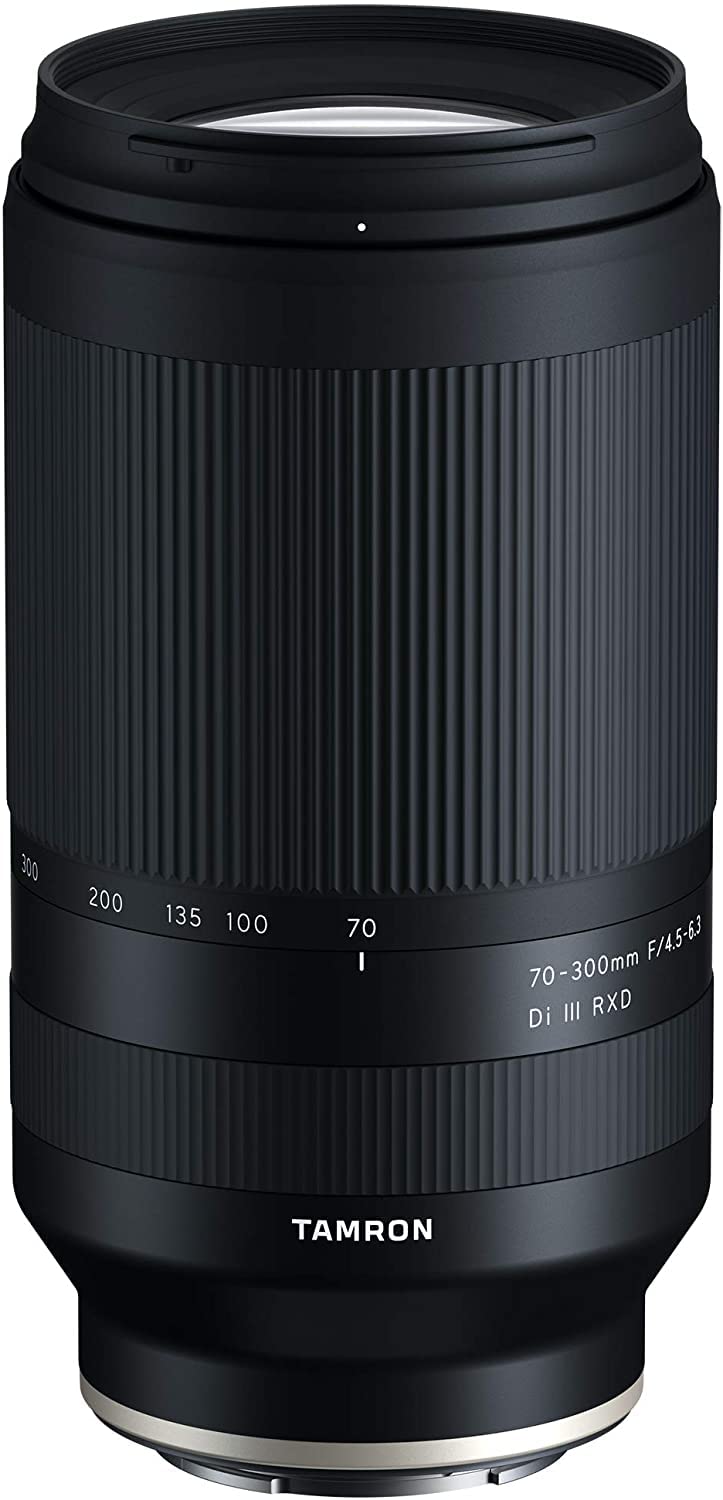
This lens is best as the default, not the distant-subject specialist. The range tops out before action or wildlife work requiring 300mm or beyond, so a dedicated telephoto zoom is the better add-on for that boundary. Within its reach, the 5x span covers most documentary and event frames without a second lens.
Pros
- Reference-grade S-line zoom with a focal range that covers wide to short telephoto in one lens.
- Sharp corner-to-corner at f/4, with edge detail that holds across the frame.
- Covers wide interiors to tight portraits quickly without a lens swap.
- Fast, quiet dual STM autofocus suits stills and video without focus chatter.
Cons
- The premium price may push budget-minded Z5 buyers toward slower variable-aperture travel zooms.
- In dim indoor venues without flash, the f/4 maximum aperture asks for higher ISO or a faster prime.
The one-lens default for a Z5 body, with S-line sharpness and a 5x range that keeps the camera ready for most daytime and event frames.