9 Best Nikon Z Fc Lens of 2026: Avoid the 1.5X Crop Trap

Choosing the best Nikon Z fc lens for your actual shooting style—without falling for full-frame focal length claims.

The Z fc's 1.5x crop factor changes every lens you mount. A full-frame 28mm lens becomes a 42mm equivalent, so the 'wide' lens you planned for streets actually shoots like a normal lens. That mismatch is usually discovered after the first outing.

Most owners end up deciding between a compact fast prime and a broad zoom that covers everyday focal lengths without constant lens swaps. One favors low-light speed and a small carry; the other favors range and flexibility. This guide sorts Z-mount lenses by what they actually deliver on an APS-C body.

There is also a trade-off between lightweight DX all-rounders and full-frame glass that reaches further but starts less wide on the Z fc. Matching the lens to the scenes you actually shoot is the difference between a kit you carry and a lens you leave behind.

1

Best Overall All-Round Zoom

Nikon Z DX 18-140mm VR

86 /100
Studio Score Strong Evidence

Key details

Autofocus
Stepping motor
Focal Length
18-140mm, 27-210mm eq.
Max Aperture
f/3.5-6.3
Travel Profile
Light 11 oz, 7.8x zoom
Check Price on Amazon

The 18-140mm is a native DX zoom that gives the Z fc a 27-210mm equivalent range in an 11-ounce body. That span covers group shots at a family party, a compressed view of a mountain ridge, and everyday subjects in between without changing lenses. Because the Z fc has no in-body stabilization, the VR is a practical addition for handheld shots at moderate shutter speeds. The range is matched to the camera's APS-C sensor, so the optics stay balanced on a compact body.

Sharpness holds up well for a high-ratio zoom, with clean detail across the frame at daylight apertures. The lens is happiest when there is enough light to work with, which fits the travel use case. At the wide end, 27mm equivalent frames groups and landscapes naturally, while the mid-range focal lengths cover the portraits and candid shots that dominate family photography.

Compared with the full-frame 24-200mm travel zoom, this DX lens starts wider and weighs less, making it the more natural fit for the Z fc's compact body. The full-frame option adds reach but adds bulk and loses the wide end, which is the wrong trade for a lightweight walk-around kit. That balance is the whole point of a one-lens travel kit.

Carrying it on a hike is easy at 11 ounces, and the focal-length range lets you switch from wide to telephoto quickly. The 18-140mm pairs naturally with the Z fc's retro compact body, keeping the whole kit from feeling front-heavy. This is the kind of lens you leave mounted between trips. Around town, it moves from a street scene at 27mm to a tighter composition at 210mm.

This is the one-lens choice for Z fc owners who want a single carry for hiking, family outings, and general walk-around use. It is a middle-range compromise, which is exactly what a one-lens traveler needs. The tradeoff sits at the telephoto end: the f/6.3 maximum aperture at 210mm means indoor sports, evening events, and moving subjects in low light will demand higher ISO or a faster prime. Buyers whose priority is ultra-wide interiors or dedicated wildlife reach should look at a separate wide zoom or a longer telephoto.

Pros

  • Covers 27-210mm equivalent in one barrel, so travel and family shots stay within reach.
  • Sharp for a high-ratio zoom, with clean detail through the middle of the range.
  • Weighs 11 ounces, light enough to keep mounted on the Z fc all day.
  • VR steadies handheld shots on the Z fc, which relies on lens-based stabilization.

Cons

  • 27mm equivalent wide end is not ultra-wide, so tight interiors will feel confined.
  • Reach ends at 210mm equivalent, well short of serious wildlife photography.
Our verdict

A Z fc with the 18-140mm mounted is a complete travel kit — no bag of primes required.
Check Latest Price
2

Best Everyday Prime

Nikon Z 40mm f/2

91 /100
Studio Score High Confidence

Key details

Autofocus
Stepping motor
Focal Length
40mm, 60mm eq.
Max Aperture
f/2
Travel Profile
6 oz, ultra-compact
Check Price on Amazon

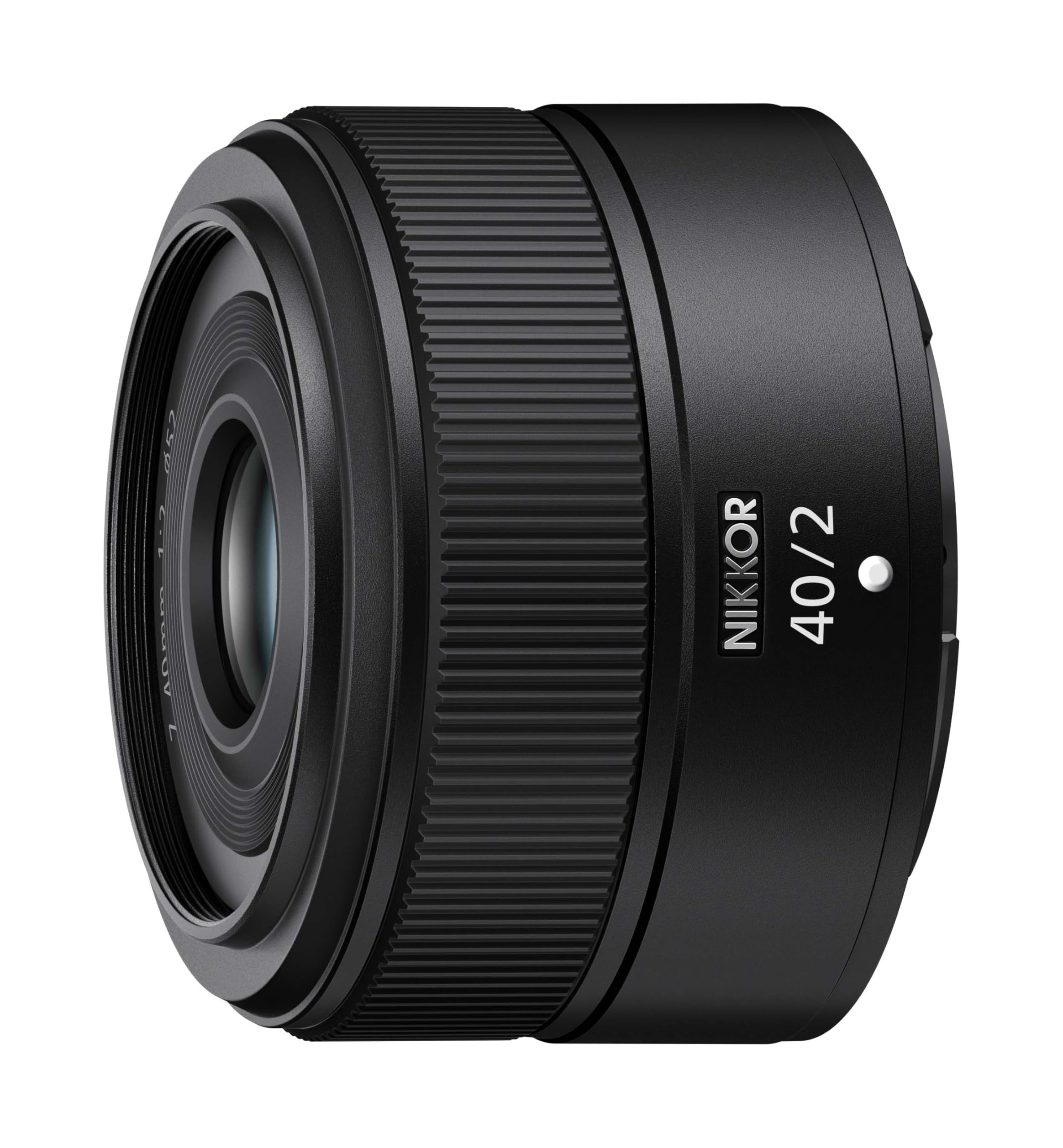
The Z 40mm f/2 weighs 6.08 oz and pairs a 60mm-equivalent normal angle with an f/2 maximum aperture, making it one of the smallest fast primes you can mount on a Z fc. Compared with the silver 28mm special edition in this group, the 40mm adds a stop of light and a tighter framing that suits street scenes and everyday walk-around shooting. The short barrel keeps the whole kit compact rather than adding bulk.

Image quality holds up at f/2, with sharpness across the frame and a soft background falloff that gives snapshots a more deliberate look. The compact barrel is balanced on the Z fc body, and the aperture is useful indoors or late in the day without dragging along a larger zoom. At this price tier, it undercuts larger primes that deliver a similar look.

This is the prime for Z fc owners who want one lens for daily carry: street photography, travel, and available-light shooting. It suits someone who would rather change position than swap lenses and who accepts a normal field of view as the main framing tool. The Z fc has no in-body stabilization, and this lens adds none, so low-light shots come down to your own bracing and shutter-speed choices.

Pros

  • Sharp f/2 rendering with smooth background blur for a small prime.
  • Compact barrel that keeps the Z fc easy to carry.
  • Light 6 oz build that barely registers on the camera.
  • Budget-friendly price for a fast prime.

Cons

  • Wide-angle landscape shooters need a different lens; 40mm frames a normal view.
  • Telephoto reach is absent; distant subjects need a zoom or longer prime.
Our verdict

A compact normal prime that gives the Z fc a fast, sharp lens without turning the kit into a burden.

Check Latest Price
3

Best Telephoto Value

Nikon Z DX 50-250mm VR

90 /100
Studio Score High Confidence

Key details

Autofocus
Stepping motor
Focal Length
50-250mm, 75-375mm eq.
Max Aperture
f/4.5-6.3
Travel Profile
Light 14 oz, 5x zoom
Check Price on Amazon

The NIKKOR Z DX 50-250mm VR gives the Z fc a genuine telephoto range of 75-375mm equivalent in a 14.24 oz package. A modest DX zoom on paper, it becomes a real long lens on the crop-sensor body, pulling distant wildlife, sports, and travel details into frame. The optics stay sharp and colorful in daylight, and the price stays within the reach of a hobbyist who wants telephoto reach without full-frame cost.

Autofocus responds quickly and quietly in normal light, so tracking a moving bird or player feels direct rather than hesitant. The VR optical stabilization steadies handheld shots at the long end, a real benefit because the Z fc has no in-body stabilization. That matters when you are at 250mm and framing a distant subject, because small hand movements become visible at full extension.

This is a daytime outdoor zoom for budget wildlife and sports shooters, not an indoor-event lens or a walk-around normal prime. At 250mm the f/6.3 maximum aperture is at its best in sunlight, and the 50mm starting point means you will need a second lens for wider scenes. Those boundaries are simple to accept when the reward is 375mm of handheld reach in a lens that fits in a small camera bag.

Pros

  • Sharp, colorful images for a kit-class telephoto zoom.
  • Autofocus is quick and quiet in normal light, so moving subjects are easy to track.
  • Budget-friendly telephoto reach that avoids the cost and size of full-frame glass.
  • 14.24 oz weight makes it comfortable for a full day of carrying.

Cons

  • The lens hood is not included, so flare control depends on a separate purchase.
Our verdict

For Z fc owners who want long reach without a big bag, this is the daylight telephoto to add when the subject is far away.

Check Latest Price
4

Best Ultra-Wide Zoom

Nikon Z DX 12-28mm PZ VR

86 /100
Studio Score Strong Evidence

Key details

Autofocus
Stepping motor
Focal Length
12-28mm, 18-42mm eq.
Max Aperture
f/3.5-5.6
Travel Profile
Compact ultra-wide
Check Price on Amazon

This is the widest native Z DX zoom for the Z fc, covering 18-42mm equivalent with a motorized power zoom that glides through 11 speeds. The 12-28mm focal range suits vlogging, interiors, and landscape framing, and the 4.5-stop VR steadies handheld shots. It also closes to about 11 inches, so foreground detail can anchor a wide composition.

Since the Z fc relies on lens-based stabilization, the 4.5-stop VR becomes a practical asset for handheld video and interior stills. Image quality holds up across the range, and the power zoom's smooth pull is easier to control than a manual-twist zoom during video work. That control matters for slow push-ins and reframing, where a mechanical zoom ring can introduce unwanted camera movement.

Video-first Z fc shooters and photographers who work in real estate, interiors, landscapes, or group shots get the most from this lens. The f/3.5-5.6 aperture limits dim interiors, so this is a daylight or added-light tool rather than a low-light run-and-gun lens. The close-focus and power-zoom combination also makes tabletop vlogs and walk-around framing easier to control.

💡 Use a slower power-zoom speed for natural-looking push-ins; the 11-speed control has room for quick reframing when needed.

Pros

  • Power zoom with 11 speeds keeps video moves controlled.
  • Close focus to about 11 inches opens up wide-angle detail shots.
  • Optics stay sharp with natural color across the 12-28mm range.
  • 4.5-stop VR handles handheld shake on a Z fc body without IBIS.

Cons

  • Maximum range of 42mm equivalent means portraits and tighter framing need a second lens.
  • The motorized zoom adds cost that stills-only shooters may not fully use.
Our verdict

Z fc video creators and real-estate shooters who need a wide starting point with controlled zoom movement will find this the most useful ultra-wide for the mount.

Check Latest Price
5

Best Budget Low-Light Prime

Viltrox 25mm f/1.7 Z

85 /100
Studio Score Strong Evidence

Key details

Autofocus
Stepping motor
Focal Length
25mm, 37.5mm eq.
Max Aperture
f/1.7
Travel Profile
180g, compact prime
Check Price on Amazon

The 25mm f/1.7 gives Z fc owners a fast 37.5mm-equivalent prime at a budget-friendly price, and the center of the frame remains sharp even wide open. Chromatic aberration is well controlled for this class, so high-contrast edges such as branches and sign lettering do not show heavy color fringing. That level of clean rendering at f/1.7 undercuts what most first-party primes charge for the same view.

The angle of view sits between wide and normal, which suits street scenes, indoor reportage, and candid documentary work. At 180g, the lens keeps the Z fc light enough for one-handed shooting and stays balanced on a small gimbal. The f/1.7 aperture also helps bring shutter speeds up in dim spaces, which is useful for freezing movement without cranking ISO.

Budget shooters who want one fast prime for street and documentary work on the Z fc are the natural audience. Vloggers running a gimbal get a compact wide-normal that does not fight the rig. Autofocus consistency can vary between copies, so a focus check on your own body is worthwhile. Those expecting flawless edge-to-edge sharpness at f/1.7 should look to pricier glass.

Pros

  • Low chromatic aberration and strong sharpness keep everyday street photos clean even wide open.
  • Fast f/1.7 aperture at a budget price puts low-light capability within reach of Z fc owners.
  • At 180g, the lens keeps the Z fc compact and gimbal-friendly.
  • STM autofocus responds quickly for street and documentary subjects.

Cons

  • No optical stabilization on a Z fc without IBIS; handheld low-light video will need a gimbal or steady technique.
  • Plastic barrel has no weather sealing, so this lens is for dry conditions rather than stormy outdoor shoots.
Our verdict

The f/1.7 aperture and 180g body make this the budget street prime to keep on the Z fc.

Check Latest Price
6

Best Full-Frame Travel Zoom

Nikon Z 24-200mm VR

89 /100
Studio Score Strong Evidence

Key details

Autofocus
Stepping motor
Focal Length
24-200mm, 36-300mm eq.
Max Aperture
f/4-6.3
Travel Profile
1.3 lb, 8.3x zoom
Check Price on Amazon

The NIKKOR Z 24-200mm f/4-6.3 VR takes the Z fc to a 36-300mm-equivalent range with optical VR, making it the reach-first alternative to the top pick's 18-140mm DX zoom. It is not the lightest or widest option in this group, but the extra 90mm of equivalent reach and full-frame Z compatibility give you room to move up to an FX body without replacing the lens. That FX flexibility is the main reason a Z fc owner should consider it over the lighter DX zoom.

Image quality holds sharpness through much of the zoom range, and the VR steadies handheld daylight shots. Optical VR matters here because the Z fc has no in-body stabilization. The 1.3 lb weight is reasonable for this much focal coverage, so the lens stays balanced rather than front-heavy on the compact body.

At the wide end you get a 36mm-equivalent view for street scenes; at the long end you can pick out details across a plaza without changing lenses. That range is why this lens becomes a one-lens travel kit.

The right buyer is a travel photographer who wants one daylight lens and may also own a full-frame Z body. The f/6.3 long end is for bright conditions, so low-light sports and action are better served by a fast prime. Flat-light scenes can send the autofocus hunting, so this lens is most comfortable when daylight provides contrast.

💡 In flat, low-contrast scenes, switch to AF-S and confirm focus before releasing the shutter.

Pros

  • Covers 36-300mm equivalent with VR, so one lens handles street to distant subjects.
  • Sharp through much of the zoom range, with enough detail for landscape and travel shots.
  • Solid build quality and strong construction for a travel zoom.
  • Reasonable weight for the range, keeping the Z fc balanced all day.

Cons

  • Premium price puts it out of reach for tight-budget Z fc buyers.
  • Autofocus can hunt in low-contrast scenes, so flat light may require a focus assist.
Our verdict

For Z fc owners who want more reach than the top pick and a path to full-frame, this travel zoom delivers.

Check Latest Price
7

Budget Portraits

Viltrox 85mm f/2 Z

87 /100
Studio Score Strong Evidence

Key details

Autofocus
Stepping motor
Focal Length
85mm, 127.5mm eq.
Max Aperture
f/2
Travel Profile
360g, portrait prime
Check Price on Amazon

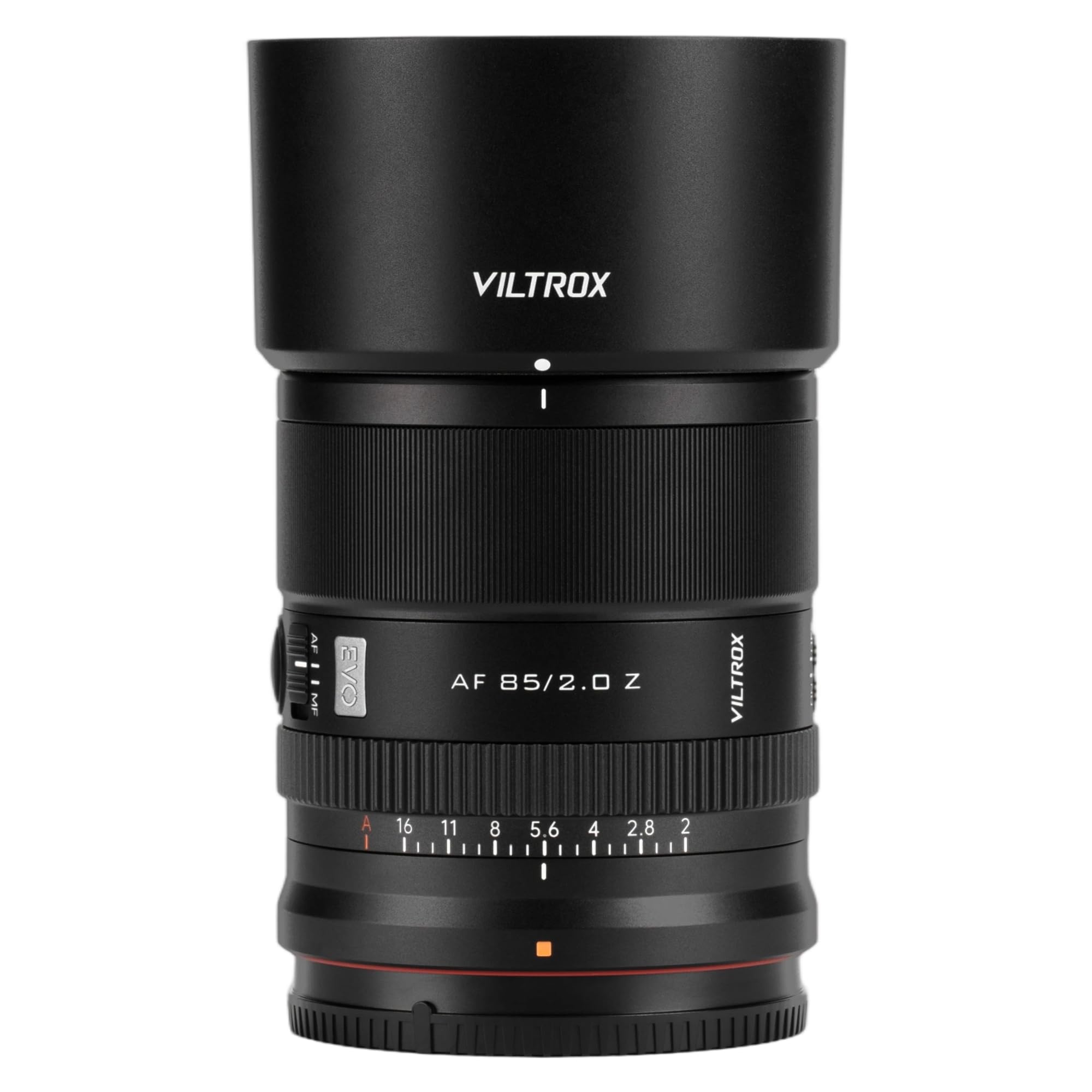
The Viltrox 85mm f/2 turns a Z fc into a portrait-focused shooter. The 127.5mm-equivalent reach compresses backgrounds into soft layers, and the f/2 aperture keeps a subject sharp while blurring the backdrop. Build quality feels above its price class, and the overall handling fits the Z fc's retro character.

No image stabilization means handheld use requires a faster shutter speed, a practical tradeoff for posed portraits. The tight 127.5mm-equivalent frame is not a walk-around view, so indoor casual shooting needs more working distance. That dedicated role keeps it out of the one-lens top picks, but for a budget portrait setup the rendering makes the compromise worthwhile.

Pros

  • Build quality that feels more expensive than the price tag
  • Sharp wide open with creamy bokeh
  • Budget-friendly route to portrait results with depth separation

Cons

  • 127.5mm-equivalent framing gets tight indoors
  • Dedicated telephoto portrait perspective, not an everyday generalist
Our verdict

If your Z fc is primarily a portrait camera, this lens delivers the compressed 85mm look without the full-frame price.

Check Latest Price
8

Retro Street

Nikon Z 28mm f/2.8 SE

87 /100
Studio Score Strong Evidence

Key details

Autofocus
Stepping motor
Focal Length
28mm, 42mm eq.
Max Aperture
f/2.8
Travel Profile
Tiny retro prime
Check Price on Amazon

The silver Special Edition finish pairs with the Z fc's analog design more naturally than any other native Z prime, and the 28mm f/2.8 stays light enough for daily carry. On the DX sensor it becomes a 42mm-equivalent street view, though not as flexible a normal focal length as the 40mm f/2's 60mm equivalent. The f/2.8 aperture is a full stop slower than that 40mm alternative, which limits low-light and shallow depth-of-field work. Style is the point here: Z fc owners who want the retro look and a compact footprint get exactly that, while shooters prioritizing speed or coverage should look at the 40mm f/2.

Pros

  • Silver Special Edition shell matches the Z fc's retro dials, so the camera reads as a deliberate style piece.
  • Sharp rendering and a satisfying build add function to the retro look, not just cosmetics.
  • Compact body keeps the lens unobtrusive on the Z fc and easy to carry daily.

Cons

  • The mid-range price reflects the retro styling, which budget-first buyers may find hard to justify.
  • No optical stabilization, so low-light handheld shots can blur at longer shutter speeds on the Z fc.
Our verdict

This is the Z fc prime for daylight street shooters who want the retro silver finish and a kit that stays light.

Check Latest Price
9

Sharp Portraits

Nikon Z 50mm f/1.8 S

94 /100
Studio Score High Confidence

Key details

Autofocus
Stepping motor
Focal Length
50mm, 75mm eq.
Max Aperture
f/1.8
Travel Profile
14.6 oz, S-line
Check Price on Amazon

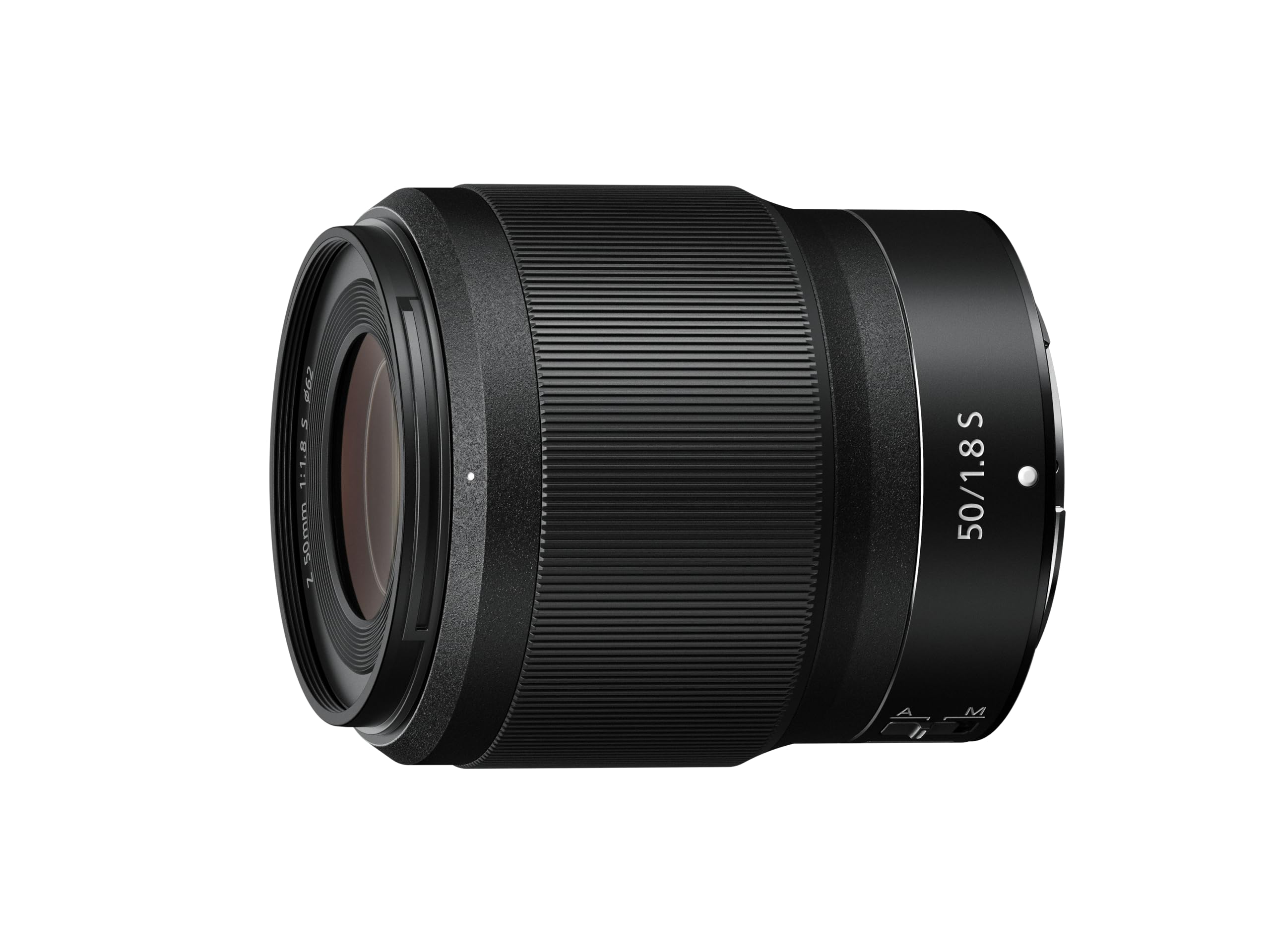
The Nikon Z 50mm f/1.8 S is a sharpness-first portrait lens for Z fc owners: on the APS-C body it delivers a 75mm-equivalent view with strong subject separation and smooth bokeh. The tradeoff is physical — it is heavier and larger than the 40mm f/2, and since the Z fc has no IBIS, the lack of VR matters for handheld low-light shots. That places this lens with image-quality-first shooters who accept a bigger kit for S-line detail. It is the sharper specialist pick for portraits.

Pros

  • S-line sharpness remains very high even at f/1.8, with strong detail and microcontrast.
  • 75mm-equivalent view on the Z fc gives portraits natural compression and smooth bokeh.
  • Autofocus is fast and accurate for portrait work on the Z mount.

Cons

  • On the Z fc, the 75mm equivalent frames tighter than a walk-around lens, so it suits portraits over general use.
  • Premium-priced compared with the 40mm f/2, so budget-first Z fc buyers may prefer the cheaper normal prime.
Our verdict

Use this when your Z fc is dedicated to portrait work and S-line sharpness is the priority.

Check Latest Price

How to Choose

Focal Length and Crop Factor

Every Z-mount lens behaves differently on an APS-C body because the sensor captures only the central portion of the full-frame image circle. A full-frame 24mm lens becomes a 36mm equivalent, and a full-frame 35mm becomes a 52mm. The effect is most visible at the wide end.

For the Z fc, a DX lens labeled 18mm keeps a 27mm-equivalent wide view. Full-frame glass is worth the crop only when the focal length still makes sense after conversion.

Maximum Aperture and Low Light

Aperture controls light collection and depth of field. A lens at f/1.7 opens roughly two stops wider than an f/3.5 zoom, which can drop ISO from 3200 to 800 in dim light.

The trade-off is size and cost: fast primes are small but fixed, while zooms are flexible but slow at the long end. For indoor and evening shooting, a fast prime is the practical upgrade.

Image Stabilization and the Z fc Body

The Z fc has no in-body image stabilization, so lens-based VR is the only stabilization available. A VR zoom can be hand-held at slower shutter speeds, while an unstabilized prime needs a faster shutter to avoid blur.

This difference is most visible in video, where shake is easy to see. If you shoot handheld at dusk, a stabilized zoom may produce more keepers than a faster unstabilized prime.

Autofocus Speed and Noise

Autofocus motors vary in speed and noise. Stepping-motor lenses focus quietly enough for most video, while some compact primes and superzooms produce audible whir.

Buyers who record on the camera should treat AF noise as a spec, not an afterthought. An external microphone solves it, but a stepping-motor lens plus manual focus is the cleaner fix.

Size, Weight, and Range

Zoom range and lens size pull in opposite directions. A native 18-140mm zoom covers 27-210mm equivalent and handles travel, family, and hiking, but narrows to f/6.3 at the long end. A compact 40mm prime is tiny and fast, but it forces you to move instead of zooming.

The right balance depends on how you shoot. One-lens travelers should favor range and VR; street and low-light shooters should favor a small prime.

Frequently Asked Questions