9 Best Lens for Nikon Z8 in 2026: Sharp Zooms That Earn Their Keep

Find the right Z8 lens for your shooting style—travel, wildlife, portraits, or macro—without overpaying for reach or speed you won't use.

The Nikon Z8 resolves the strengths and weaknesses of every lens you mount on it. A 45.7-megapixel sensor is noticeably more demanding than the older 24-megapixel bodies most photographers are used to, so lenses that looked sharp on a Z6 or Z7 will show soft corners, fringing, and focus errors on the Z8's high-resolution files.

The common trap is buying a lens for its focal-length range or aperture number without checking how those specs behave on a 45MP body. A 28-400mm superzoom reaches farther than any S-line zoom, but its f/8 telephoto end forces higher ISO in anything but bright daylight. A f/1.2 prime produces dramatic portraits, but its depth of field is so thin that eye-AF must fight a very shallow focus plane.

This guide focuses on which lenses actually resolve the Z8's sensor while matching your real shooting habits—whether that means a single versatile zoom for travel, a light f/2.8 with long reach, a fast prime for events, or a macro with close-focus capability.

1

Best Overall

Nikon 24-120mm f/4 S

91 /100
Studio Score High Confidence

Key details

Weight
1.4 lb
Focal Length
24-120mm
Max Aperture
f/4 constant
Stabilization
Body IBIS
Check Price on Amazon

The 24-120mm f/4 S holds S-line corner-to-corner sharpness at f/4 from 24mm to 120mm, which matters on a 45.7MP Z8 because softer corners become obvious at this resolution. The barrel comes in at 1.4 lb and uses a 77mm filter thread, so it pairs with common polarizers and ND filters without a specialized filter kit. The constant f/4 aperture also keeps exposure settings stable while zooming, so you are not chasing the meter as you reframe.

Autofocus is quiet and precise in ordinary light, and the 1.15 ft minimum focus at any zoom position lets you fill the frame with small objects or close-up details without adding a macro lens. The lens has no built-in image stabilization; on a Z8 that is not a handicap because the body's IBIS handles shake, and high ISO covers scenes that get dim.

Range is the practical argument: 24mm frames interiors and wide landscapes, while 120mm gives a compressed view for street scenes and head-and-shoulders portraits. The 24mm end is wide enough for architecture, and the 120mm end keeps a relaxed working distance for candid people shots. One lens on the body covers those situations without a mid-shoot swap, which matters when you are moving through a city or hiking a trail with a Z8.

The 24-120mm sits at a mid-premium price below the f/2.8 24-70mm S, and it keeps S-line sharpness while doing so. The weight savings are noticeable by the end of a long walk, and the extra reach to 120mm means you can leave a separate telephoto at home. For a Z8 owner building a kit around one lens, this is why it beats pairing a 24-70mm with a separate telephoto for everyday travel and street work.

This is the primary lens for Z8 owners who want one optic for landscape, street, and environmental portraits without swapping. The f/4 aperture is the tradeoff for that reach and weight; if dark event venues are a regular part of your week, the f/2.8 24-70mm S is the alternative, and an f/1.8 prime covers shallow-depth-of-field portraits.

Pros

  • S-line optical quality holds up across the whole zoom range.
  • Corner-to-corner sharpness even at f/4 from 24mm to 120mm.
  • 24-120mm reach covers wide-angle to short telephoto without changing lenses.
  • Fast, quiet autofocus suits street, travel, and everyday shooting.
  • Close focus at 1.15 ft at any zoom position lets you fill the frame with small objects.

Cons

  • At 120mm f/4, background separation is less pronounced than an f/1.8 portrait prime.
  • Constant f/4 is a stop slower than f/2.8 pro zooms, so dim event venues lean on Z8 high ISO and IBIS.
Our verdict

Pair the 24-120mm with one fast prime for evening work and you have a two-lens kit that covers nearly every subject a Z8 owner will meet.

Check Latest Price
2

Low-Light Professional Zoom

Nikon 24-70mm f/2.8 S

92 /100
Studio Score High Confidence

Key details

Weight
1.8 lb
Focal Length
24-70mm
Max Aperture
f/2.8 constant
Stabilization
Body IBIS
Check Price on Amazon

The professional f/2.8 zoom in this Z8 roundup opens a full stop wider than the 24-120mm f/4 S, which is the margin that matters in dark ballrooms. The constant aperture holds the same f-stop through the zoom range, so hybrid shooters are not re-adjusting exposure mid-take. If the event runs from daylight to the last dance, this lens keeps the shutter speed up without asking you to slow down.

On a 45.7MP Z8, edge-to-edge sharpness and color retention are strong enough to crop into a scene without losing detail. Contrast stays high at f/2.8, and autofocus locks quickly and quietly in moments where re-shooting is not an option. The Z8's in-body stabilization handles the shake, so handheld frames stay clean during the parts of an event that happen in near-darkness.

This is a lens for wedding and event photographers who shoot in low light and treat a standard zoom as the primary lens. The tradeoff is a premium price and a heavier barrel than the 24-120mm f/4 S, which stays the better option for travelers and budget-conscious buyers. If you are measuring your needs by available light, the f/2.8 stop is what separates this from a more general-purpose zoom.

Pros

  • Best-in-class optical quality for a standard zoom, with fine detail edge-to-edge.
  • Sharp at f/2.8 with strong color and contrast, reducing the need for corrective edits.
  • Autofocus is fast and silent, so it stays out of the way during ceremonies.
  • Professional build handles event-paced use and balances well on the Z8.

Cons

  • Reach ends at 70mm, so the 24-120mm f/4 S covers more subjects without a lens change.
  • At 815g, the barrel is heavier than f/4 alternatives and can tire the arm on all-day handheld work.
Our verdict

For a working pro who needs f/2.8 in dark rooms, the 24-70mm f/2.8 S is the standard zoom on a Z8.

Check Latest Price
3

Wildlife & Sports Reach

Nikon 180-600mm f/5.6-6.3

88 /100
Studio Score Strong Evidence

Key details

Weight
4.7 lb
Focal Length
180-600mm
Max Aperture
f/5.6-6.3
Stabilization
5.5-stop VR
Check Price on Amazon

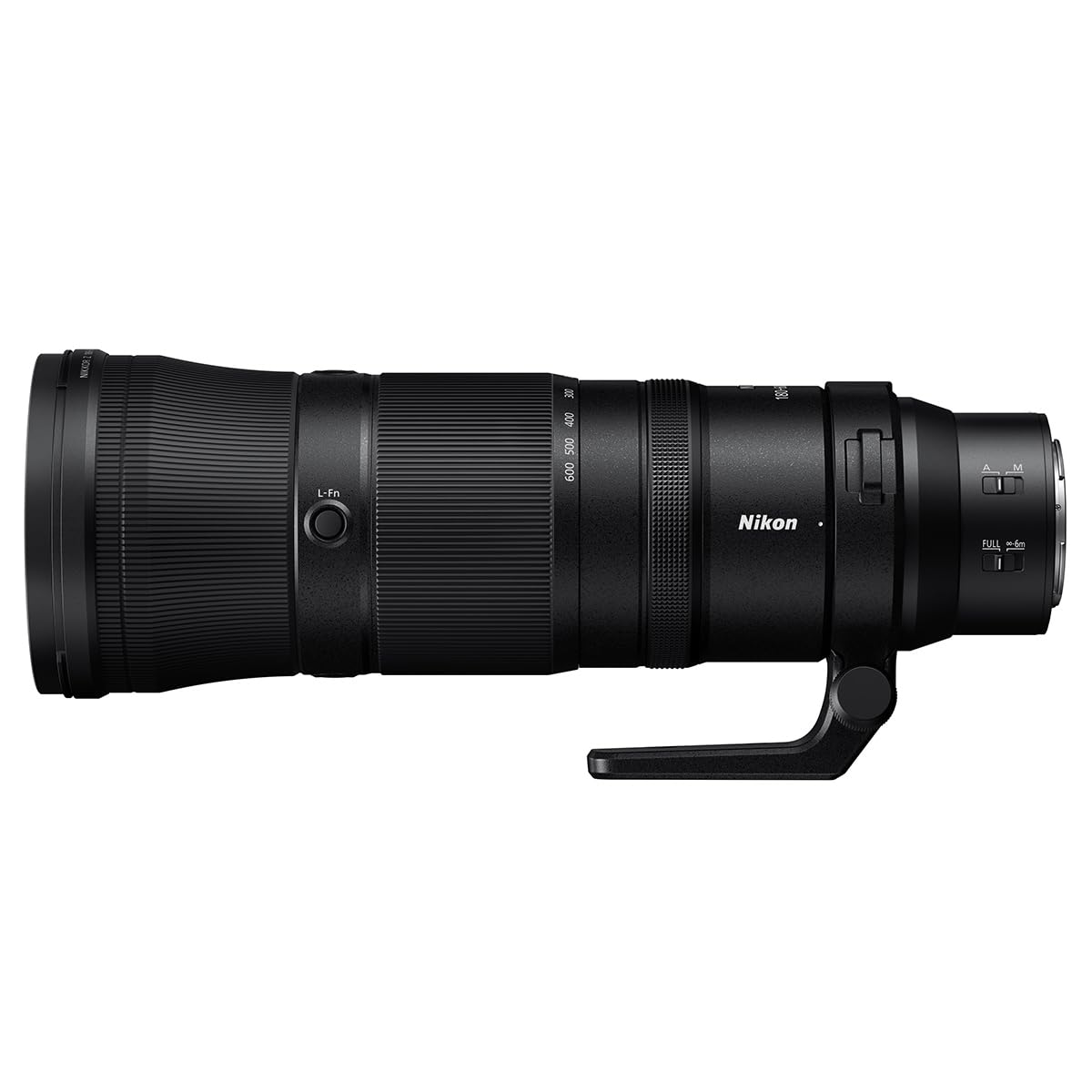
The 180-600mm f/5.6-6.3 VR fills the long-reach slot in a Z8 kit: the roundup's top pick covers everyday focal lengths, while this internal-zoom reaches 600mm for distant animals and birds. The 5.5-stop VR helps keep long shots steady when shutter speeds start to drop.

Image quality across the zoom range holds up at 45.7 megapixels, which makes cropping into small birds at 600mm practical. The internal zoom also limits dust intrusion during long outdoor sessions, a benefit when you are changing positions or shooting from a dusty hide. A 4.27 ft close-focus distance and 0.25x magnification add flexibility for habitat shots from a fixed position.

Wildlife and bird photographers working from hides, vehicles, or fixed positions will find this lens's reach and internal zoom well matched to the Z8. At 4.7 lb and f/6.3 at 600mm, it is a tripod/monopod optic in low light, so plan for a support or higher ISO. It is not a walkaround compact zoom, and handheld low-light shooters who need f/4 or faster should keep the faster zoom from this roundup in the bag.

💡 Keep the lens on a monopod for long sessions; the VR system covers short handheld bursts while you reposition.

Pros

  • Strong telephoto image quality for wildlife and bird photography.
  • Sharp, crisp image quality across the zoom range.
  • Internal zoom keeps the lens balanced and minimizes dust intrusion.

Cons

  • Autofocus speed can vary when tracking erratically moving subjects.
  • Long handheld sessions are demanding; a tripod or monopod removes the strain.
Our verdict

For Z8 owners who need 600mm reach for birds and animals, this is the long lens to pair with the roundup's general-purpose zoom.

Check Latest Price
4

Portrait Prime Value

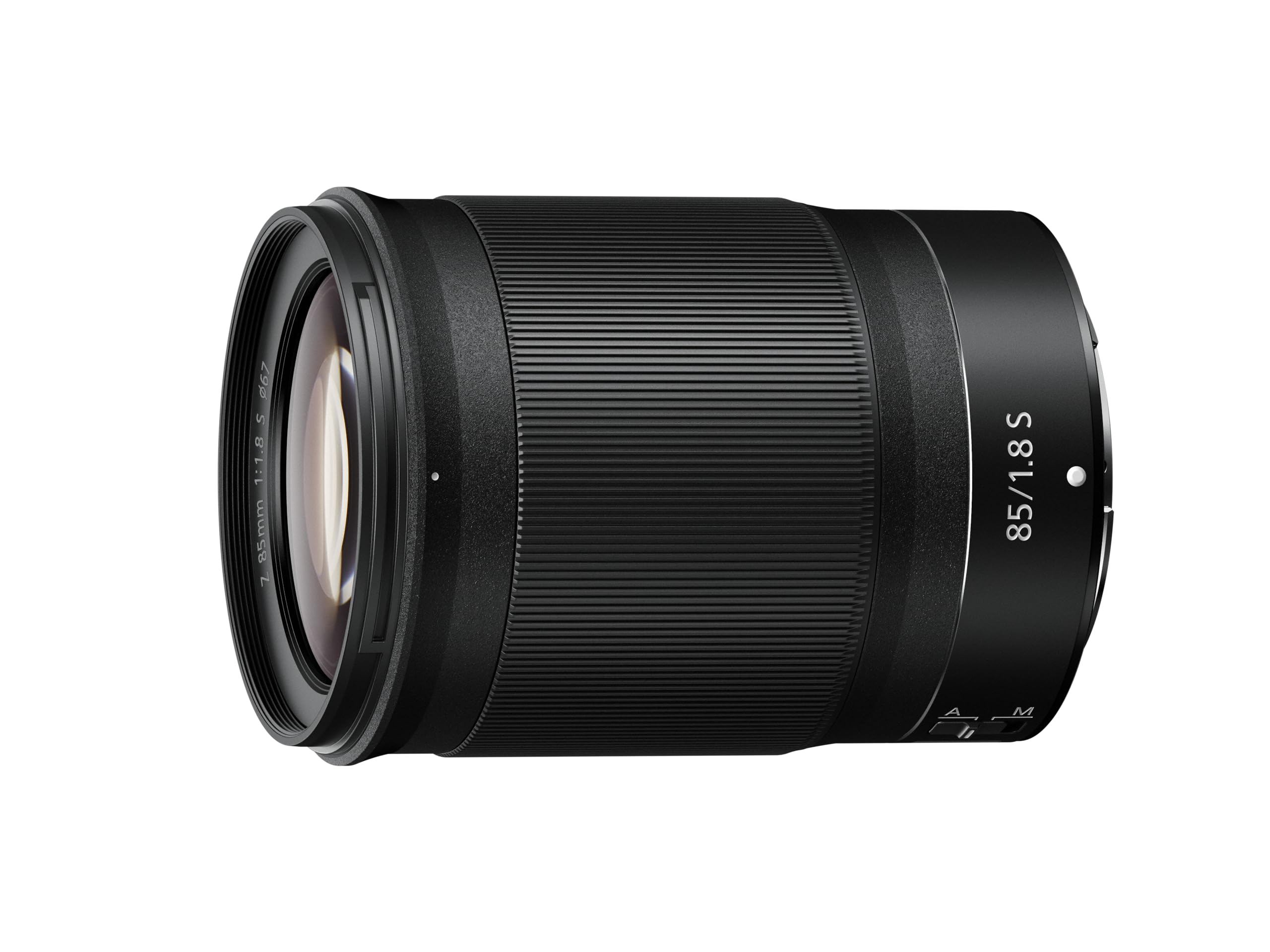
Nikon 85mm f/1.8 S

94 /100
Studio Score High Confidence

Key details

Weight
1.0 lb
Focal Length
85mm
Max Aperture
f/1.8
Stabilization
Body IBIS
Check Price on Amazon

Razor-sharp from center to corners at f/1.8, this 85mm carries S-line prime rendering in a 470 g barrel that balances naturally on a Z8. The 67mm filter thread keeps polarizer and ND costs reasonable, and the bokeh stays smooth through the transition zones where lesser primes turn busy. It resolves the 45.7MP sensor without visible softness, which is the first thing Z8 owners will notice.

This is the portrait prime for Z8 shooters who want people and event images with clean separation without moving to f/1.2 pricing. Face-detect autofocus keeps up with moving subjects in posed and candid work. It is not a macro lens; product shooters should take the 105mm macro in this set instead.

At f/1.8, indoor event work holds usable shutter speeds without pushing ISO too far, and the Z8's IBIS covers the lack of lens VR. The rendering wide open is clean enough for editorial portraits, while stopping down to f/2.8 or f/4 adds even more bite for group shots. For a mid-range-priced prime, this is the direct way into S-line portrait quality on the Z mount.

Pros

  • S-line prime quality with clean rendering from wide open.
  • Sharp center-to-corner performance that holds up on 45.7MP Z8 files.
  • Smooth bokeh and low-light subject separation in a light prime.
  • Portrait-grade performance at a mid-range price.

Cons

  • The f/1.8 aperture is one step below f/1.2 for background separation; portrait shooters chasing maximum bokeh need the pricier option.
  • Autofocus can hunt in low-contrast or dim scenes.
Our verdict

Sharp, light, and priced for a mid-range kit, this is the Z8 portrait prime that balances optical quality with a realistic budget.

Check Latest Price
5

Macro & Portrait Dual Role

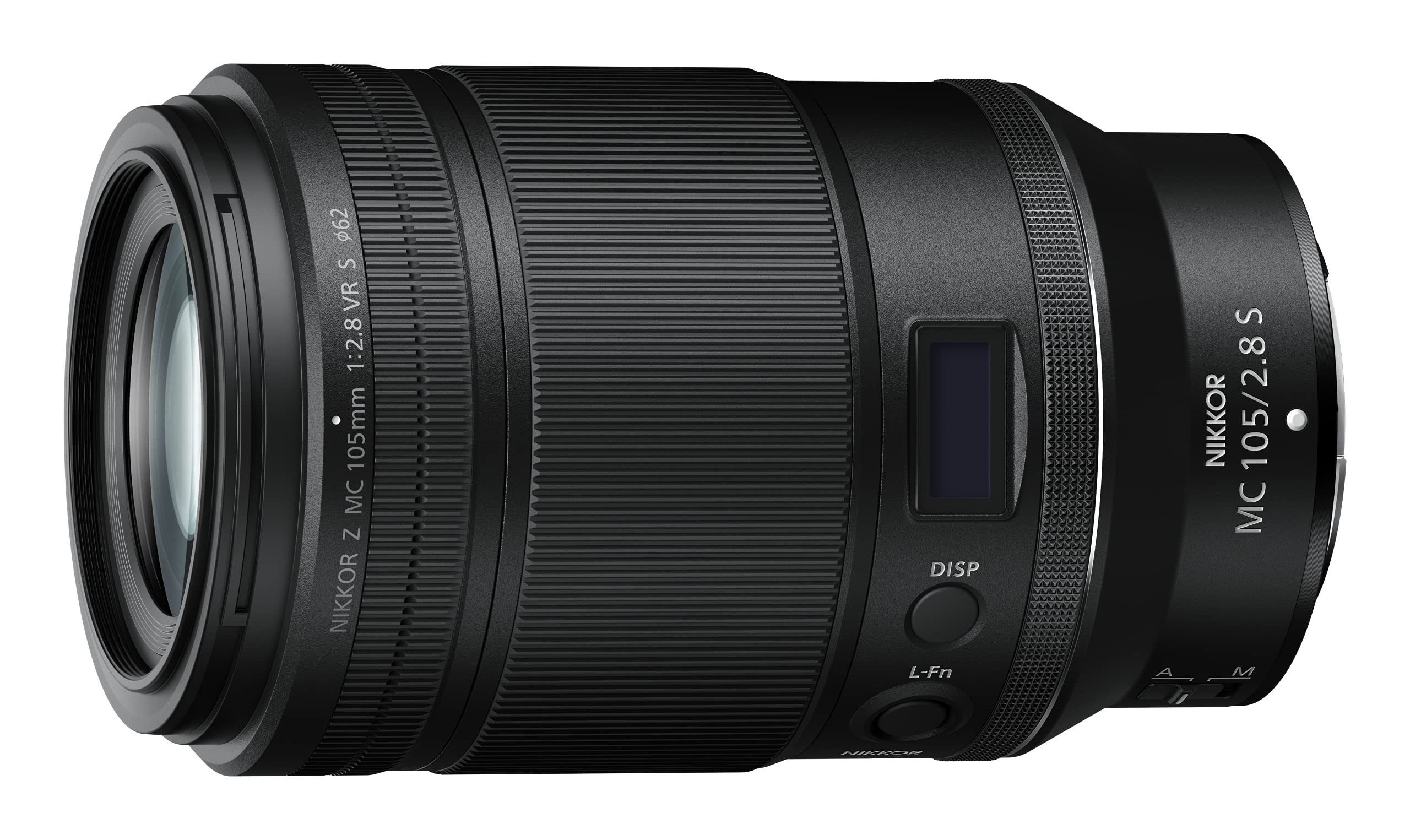
Nikon MC 105mm f/2.8 VR

93 /100
Studio Score High Confidence

Key details

Weight
1.4 lb
Focal Length
105mm macro
Max Aperture
f/2.8
Stabilization
Built-in VR
Check Price on Amazon

A true 1:1 macro lens that doubles as a flattering 105mm f/2.8 portrait prime is the defining trait here. The S-line optics hold contrast and edge-to-edge sharpness at a level that suits the 45.7-megapixel Z8 sensor, so close-up detail and portraits both survive close inspection. That dual-role capability is rare among the native Z primes in this roundup.

The 105mm focal length gives a comfortable working distance for product and small-subject work, while the f/2.8 aperture delivers background separation for portraits without the razor-thin depth of field of faster lenses. Vibration reduction steadies handheld close-ups, though a tripod or focus-rail setup is the practical route for consistent 1:1 results.

This lens is for Z8 owners who want one sharp optic for macro and people, not for shooters chasing fast-action sports or a flexible travel zoom. The fixed 105mm focal length means you move to frame; the standard zoom and telephoto options in this roundup cover those scenarios better. As a specialist buy, it can replace a separate macro lens and a short-tele portrait lens in one kit.

💡 For precise focus stacking, switch to manual focus after framing the shot.

Pros

  • True 1:1 magnification with a practical 105mm working distance for macro and product shots.
  • Sharpness and contrast hold up edge to edge on a 45.7MP sensor.
  • One S-line prime that covers macro work and portrait shooting without a second lens.

Cons

  • Macro autofocus can hunt, so the focus limiter or manual focus is the practical workaround.
Our verdict

This is the one-lens close-up and portrait kit for Z8 owners who value sharpness over zoom flexibility.

Check Latest Price
6

Ultra-Wide Landscape Pro

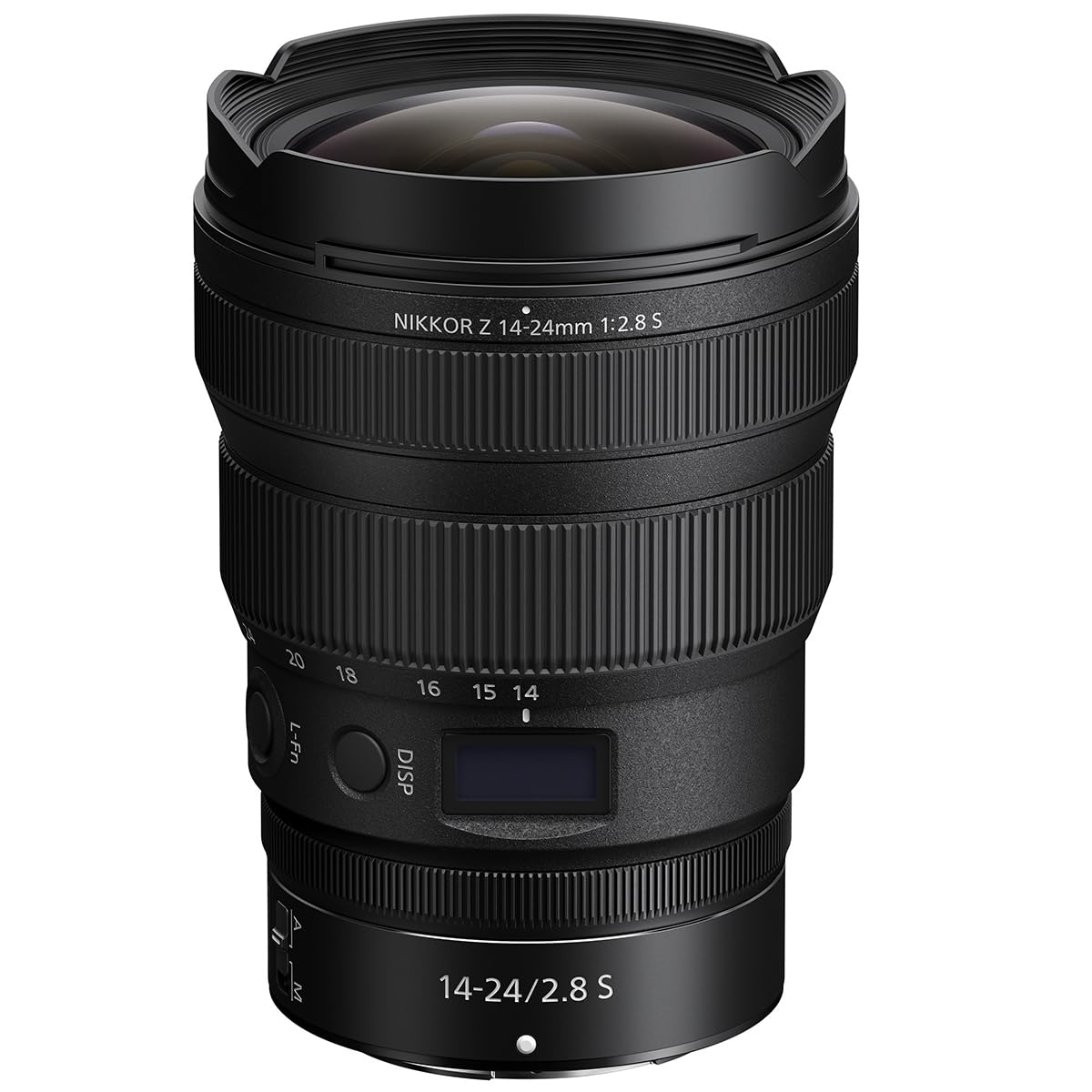
Nikon 14-24mm f/2.8 S

90 /100
Studio Score High Confidence

Key details

Weight
1.4 lb
Focal Length
14-24mm
Max Aperture
f/2.8 constant
Stabilization
Body IBIS
Check Price on Amazon

The 14-24mm f/2.8 S is the widest constant f/2.8 zoom in Nikon's Z system. Where the 24-120mm f/4 S handles everyday carry, this lens is for scenes that start at 14mm and need the light-gathering of f/2.8. On a 45.7MP Z8, edge-to-edge sharpness and low distortion keep architectural and landscape detail intact.

Landscape, architecture, and astro photographers on a Z8 are the natural fit. The bulbous front element requires a specialized 112mm or rear filter system, so this is a lens for shooters who plan around that constraint. The 24-120mm f/4 S is the lighter, more flexible option for general-purpose work.

Astro and interior work get a real low-light cushion from the f/2.8 aperture; the zoom holds contrast in night-sky conditions without the aperture penalty of f/4 wide zooms.

At 650 grams, the lens stays manageable for a fast ultra-wide zoom, though it is not a compact travel option. For architecture and real estate, the 14mm end captures wide scenes without the need to stitch; the constant f/2.8 helps in rooms lit by window light alone.

💡 For night-sky sessions, use a tripod or keep shutter speed high; the barrel has no VR.

Pros

  • Widest constant f/2.8 zoom in Nikon's Z system, with 14mm coverage no other Z zoom matches.
  • Edge-to-edge sharpness and minimal distortion hold architectural and landscape detail.
  • The f/2.8 aperture gives astro and dim interior shooting a clear low-light edge.

Cons

  • Premium pricing places it above f/4 wide zooms and budget-friendly alternatives.
  • The dedicated 112mm or rear filter kit is an added expense and an extra step in the field.
Our verdict

The widest fast native zoom for a Z8, and the right call when 14mm f/2.8 is a hard requirement.

Check Latest Price
7

Travel Superzoom

Nikon 28-400mm f/4-8 VR

88 /100
Studio Score Strong Evidence

Key details

Weight
1.6 lb
Focal Length
28-400mm
Max Aperture
f/4-8 variable
Stabilization
5-stop VR
Check Price on Amazon

At 1.6 lb, the 28-400mm f/4-8 VR gives a full-frame Z8 a landscape-to-wildlife range that normally requires three lenses. It is the easiest way to shoot a mixed day without stopping to swap glass. The S-line picks in this roundup aim at speed and image quality; this lens aims at reach and convenience. That orientation keeps it below the top S-line tiers for demanding image-quality and action work. For travelers and hikers who stay outdoors during the day, it packs more range per pound than any other option here.

Pros

  • One barrel covers 28mm landscapes, portrait-length telephoto, and 400mm wildlife.
  • Carry weight stays low for a 14.2x zoom, so it fits a day-hike kit.
  • Sharpness holds up better than expected for a superzoom on a 45.7MP body.

Cons

  • The 28mm starting point leaves less room than 24mm alternatives for tight interiors and ultra-wide landscapes.
  • At 400mm, f/8 and modest AF speed require good light; low-light events and indoor sports are a stretch.
Our verdict

For a Z8 owner who wants one lens for daytime trips, this is the reach-per-pound leader here.

Check Latest Price
8

Budget Portrait

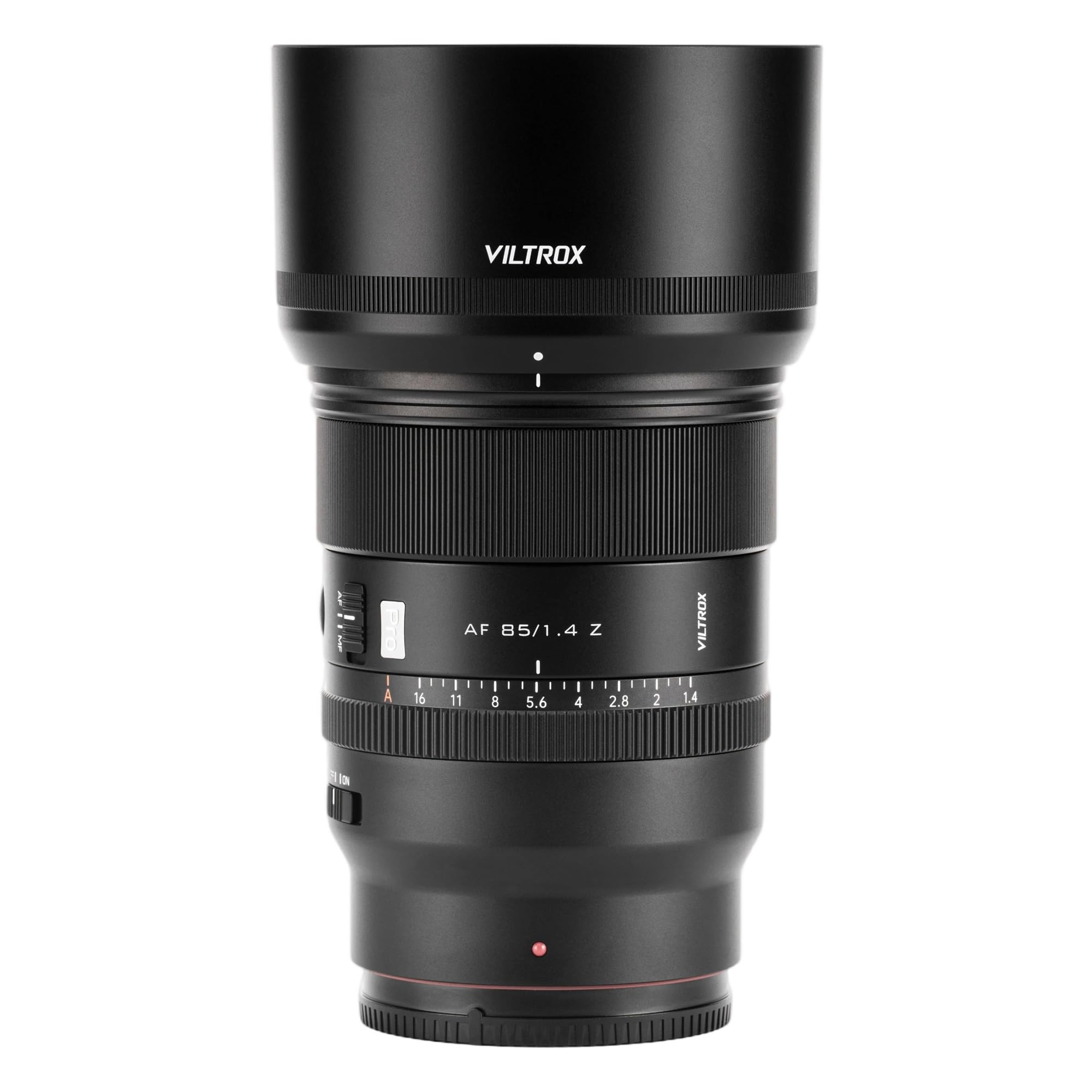
Viltrox 85mm f/1.4 Z

90 /100
Studio Score High Confidence

Key details

Weight
1.6 lb
Focal Length
85mm
Max Aperture
f/1.4
Stabilization
Body IBIS
Check Price on Amazon

The Viltrox AF 85mm f/1.4 Z gives Z8 shooters a sharp, f/1.4 portrait lens at a mid-range price, preserving the shallow depth of field and smooth bokeh expected from an 85mm prime. The 77mm filter thread suits common portrait accessories. Third-party AF behavior can vary across Z8 firmware versions, and sample variance is possible, which is why this lens does not sit alongside native S-line glass. It is best for enthusiasts who accept the firmware relationship and possible QC checks. For a dedicated portrait prime, the price-to-performance value is strong.

Pros

  • Sharp, detailed optics at a mid-range price.
  • f/1.4 aperture delivers smooth bokeh and strong subject separation.
  • Cost-effective entry to fast portrait primes for Z8 owners.

Cons

  • Service and support run through Viltrox rather than Nikon's S-line program.
  • Autofocus behavior can differ between Z body generations.
Our verdict

This is the portrait prime for Z8 users whose budget rules out the f/1.2 S-line and who are comfortable with third-party lens ownership.

Check Latest Price
9

Budget Wide-Angle

Viltrox 20mm f/2.8 Z

87 /100
Studio Score Strong Evidence

Key details

Weight
0.4 lb
Focal Length
20mm
Max Aperture
f/2.8
Stabilization
Body IBIS
Check Price on Amazon

The Viltrox 20mm f/2.8 Z is the lightest wide-angle prime in this roundup at 173 g, and its 52mm filter thread keeps it genuinely compact on a Z8 body. At f/2.8 it handles daytime landscape, travel, street, and architecture work without the weight of the S-line ultra-wide zoom. It is a strong budget wide, but noticeable vignetting and occasional AF wake issues after camera sleep are why it stays below that S-line zoom in this roundup. Corrections are part of the workflow, and stacking filters make the falloff more obvious. For shooters who prioritize small size and budget over edge-to-edge polish, these tradeoffs are manageable.

Pros

  • Strong optical quality for an ultra-budget prime, with usable sharpness at a fraction of native S-line cost.
  • Budget-friendly pricing puts a 20mm f/2.8 wide-angle prime within reach of Z8 owners who don't need f/1.4.
  • 173 g weight and 52mm filter thread make it an easy carry for landscape and street photography.

Cons

  • Vignetting is visible in raw files and grows more pronounced when filters are stacked.
  • AF wake after camera sleep may be inconsistent on some copies, which can cost a quick street frame.
Our verdict

For Z8 owners who want a tiny, budget-friendly daytime wide-angle prime for landscape or street work, the Viltrox 20mm f/2.8 Z is a workable choice — if you accept its tradeoffs.

Check Latest Price

How to Choose

Focal-Length Range

The Z8's high-resolution sensor gives you freedom to crop heavily, so you may not need as much telephoto reach as you expect. A 24-120mm zoom covers most travel, street, and portrait scenarios; a 100-400mm or 180-600mm only starts making sense if you regularly shoot distant wildlife or sports where cropping would destroy detail.

The trade-off is that longer zooms bring heavier glass and slower apertures. A 28-400mm superzoom is convenient, but the f/8 aperture at 400mm forces high ISO in overcast conditions, and the lens's autofocus speed is not designed for fast action.

Maximum Aperture

Aperture controls both low-light capability and background separation. Constant f/2.8 zooms like the 24-70mm f/2.8 S let you shoot indoor events without flash while maintaining a reasonably shallow depth of field. The Z8's IBIS and high-ISO performance are good, but they cannot freeze subject motion; only aperture or shutter speed can do that.

The hidden trade-off with f/1.2 primes is thin depth of field. At f/1.2, an 85mm lens focused on an eye can leave the ear and the far eye soft. You get dramatic rendering, but you also need reliable eye-detection AF and steady technique.

Autofocus Speed and Reliability

The Z8 has one of the fastest autofocus systems Nikon has made, but the lens is still the physical limiting factor. Native S-line lenses with stepping motors focus quickly and quietly enough for wildlife and event work, while macro lenses like the MC 105mm are intentionally slower because they need precise close-focus movement.

Third-party Viltrox primes use their own motors and firmware, so AF behavior can vary across Z8 firmware updates. A lens that locks focus instantly today may need a firmware update after the next Nikon camera update. Buy from a seller that supports returns and keep the Viltrox firmware current.

Weight and Balance

The Z8 body weighs about 2 pounds before you add a lens. A 180-600mm super-telephoto pushes the total past 6.5 pounds, which becomes tiring during a day-long shoot. The 24-120mm f/4 S and 85mm f/1.8 S keep the total setup under 3.5 pounds, making them practical for hiking and extended handheld work.

Long telephoto lenses have a second consideration: balance. The 180-600mm's internal zoom keeps the center of gravity stable, but the 100-400mm extends as you zoom. Neither is comfortable to carry on a standard neck strap; a monopod or tripod collar is worth budgeting for.

Optical Design and Stabilization

S-line lenses use Nikon's best coatings and element designs, which reduces flare, ghosting, and chromatic aberration. These corrections matter on the Z8 because the sensor outresolves many older optical formulas. The Z8's in-body stabilization also makes non-VR primes like the 50mm f/1.8 S fully usable at 1/15 second, but a lens with built-in VR can help with slower shutter speeds on telephoto focal lengths.

The main thing buyers miss is that IBIS and lens VR do not work identically across all lenses. Nikon's Synchro VR combines both systems in some newer zooms, but older designs may switch between the two rather than adding them. Check the lens's stabilization rating before assuming you can shoot sharp at 1/10 second at 400mm.

Frequently Asked Questions