9 Best Used Bridge Camera of 2026: Sharp Focus Over Zoom Numbers

The best used bridge camera matches your shooting style: zoom reach, lens speed, and focus reliability matter more than marketing numbers.

Bridge cameras sell on zoom reach: 40x, 83x, 125x. The number is easy to compare, but it tells you little about how the camera behaves at the end of that reach. On many used models, the lens darkens as you zoom, autofocus hunts on low-contrast subjects, and sharp photos depend on bright light and a steady support.

That is why the used bridge market rewards buyers who look past magnification. A constant aperture and dependable focusing will get you more usable shots than a few hundred extra millimeters of slow, soft telephoto. This guide frames the choice around those trade-offs — reach versus lens speed, portability versus support, video needs versus budget — so you can match a camera to the way you actually shoot.

Used prices make the decision even more practical: the right older model can outperform a newer budget one once you know which specs matter.

1

Best Overall

Panasonic Lumix FZ300

92 /100
Studio Score High Confidence

Key details

Video
4K UHD, 4K Photo
Sensor
12.1MP 1/2.3-inch
Zoom Reach
24x (25-600mm)
Max Aperture
Constant f/2.8
Check Price on Amazon

The constant f/2.8 Leica lens holds its aperture from 25mm to 600mm, so exposure does not darken as you zoom into a scene. Typical bridge cameras darken at the long end; this one keeps the same f-stop through the whole range. The splash/dustproof body and articulating touch LCD make it one of the few fixed-lens cameras that feels comfortable in drizzle or dusty trails. 4K UHD video and 4K Photo capture add a practical video layer, so you do not need a separate camcorder for casual shooting.

The 5-axis Hybrid OIS keeps hand-held 600mm shots steadier than the reach implies. At the long end, you can frame a distant subject, hold the camera steady, and still get a usable shot without a tripod. The electronic viewfinder shows the scene clearly in bright sunlight, and the touch screen remains responsive for quick focus-point changes. This is the practical payoff of a lens that stays bright through the zoom range.

This camera suits travel, outdoor, and wildlife photographers who want one weather-sealed body with manual controls and 4K. It also works for video-focused users who want clean handheld clips plus the option of stills. The 1/2.3-inch sensor will show noise in low light, so anyone needing a larger 1-inch sensor or more than 600mm should look at other options in this set. Some units can develop system errors, so buying from a return-friendly used or refurbished source is the right move.

For a used bridge, the FZ300 gives you more of what matters: bright zoom, rugged body, and 4K from a single fixed lens. The body has a solid handgrip, clearly marked buttons, and a smooth zoom control through the full travel. Programmable function buttons and the touch screen let you place the controls you need close at hand. Beginners can start in auto modes and grow into the manual settings; enthusiasts will find enough depth to keep it as their main travel camera.

Pros

  • Constant f/2.8 Leica lens keeps exposure steady across the full 24x zoom range.
  • Weather-sealed body, articulating touch LCD, and EVF work well outdoors.
  • Programmable buttons, 4K Photo, and touch screen give advanced control without a bag of lenses.
  • Auto modes and approachable handling make it a workable starter camera for social video.

Cons

  • Menu layers can slow down absolute beginners looking for specific settings.
  • At extreme telephoto or on low-contrast subjects, autofocus can hunt.
Our verdict

For a used bridge-camera buyer who wants one body for travel, outdoor, and video, the FZ300 is the practical benchmark: constant f/2.8, 4K, weather sealing, and 600mm reach in a single fixed-lens package.

Check Latest Price
2

Best for Video Hybrids

Panasonic Lumix FZ2500

81 /100
Studio Score Strong Evidence

Key details

Video
4K UHD, 10-bit HDMI
Sensor
20.1MP 1-inch
Zoom Reach
20x (24-480mm)
Max Aperture
Variable f/2.8-4.5
Check Price on Amazon

The FZ2500 separates from the rest of this bridge-camera lineup with a 1-inch sensor and a 20x Leica zoom, but the video feature set is what makes it a hybrid. 4K 10-bit output over HDMI, a built-in ND filter, and focus stacking bring a working-shooter toolkit that the smaller-sensor models in this group don't offer. The 24-480mm equivalent range covers event and documentary needs in a single body.

Video-first creators, event/documentary shooters, and enthusiasts who want 1-inch quality with a fixed zoom will find a capable tool here. Autofocus can be inconsistent in low-contrast scenes, and sharpness may require the right shooting mode. A budget-focused used shopper should pass on this one; the premium price is tied to video depth that casual or stills-only users won't tap.

The touch-enabled LCD responds well, and the control layout places exposure and focus tools within reach. The 20x Leica lens holds its quality across the zoom range, which matters for event work where repositioning isn't an option. A built-in ND filter keeps outdoor video rolling without an external filter. For a working shooter, the body balances like a camcorder with stills capability, which is exactly what a video-first hybrid should feel like.

💡 When shooting in low-contrast or indoor conditions, tap the touch screen to set focus instead of waiting for autofocus.

Pros

  • 20x Leica zoom spans 24-480mm equivalent, giving event shooters framing flexibility without a lens change.
  • 4K 10-bit output over HDMI, built-in ND filter, and focus stacking minimize the extra gear needed for serious video work.
  • Touch-enabled LCD and well-placed controls support fast adjustments during a shoot.

Cons

  • Images may look soft until the right shooting mode is selected.
  • Autofocus can be inconsistent in low-contrast or indoor scenes.
  • Premium price places it well above the used bridge-camera budget bracket.
Our verdict

For working video creators, the FZ2500's feature depth justifies its premium price. For budget-minded used shoppers, the weather-sealed top pick delivers more value per dollar.

Check Latest Price
3

Maximum Zoom Reach

Nikon Coolpix P1000

88 /100
Studio Score Strong Evidence

Key details

Video
4K UHD
Sensor
16MP 1/2.3-inch
Zoom Reach
125x (24-3000mm)
Max Aperture
Variable f/2.8-8
Check Price on Amazon

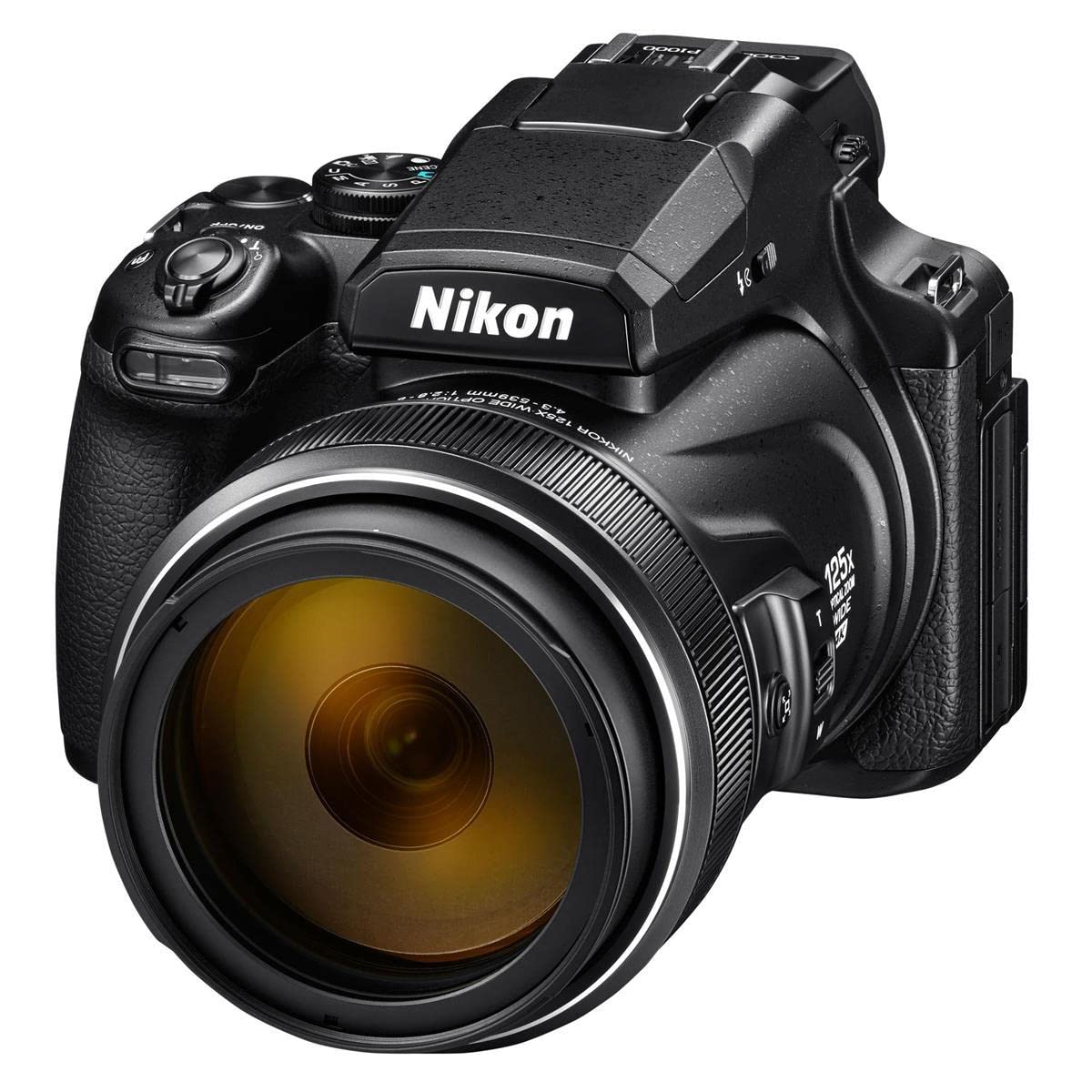
125x optical zoom reaches 3000mm equivalent, and no fixed-lens bridge camera goes further. That reach is the product for a used/refurbished buyer who wants moon detail, birds, or far-off nature subjects without carrying super-telephoto lenses. One body replaces a specialist lens setup, which puts it in a different category from the everyday superzooms on this list.

The right buyer is the photographer who plans around one long reach. It is heavy, needs support at full zoom, and carries a premium price even used, so it suits a fixed purpose: long-distance observation from a known spot. That makes it a purpose-built tool rather than a grab-and-go camera, and the used price reflects that specialty.

Image quality holds up through a broad portion of the zoom range, with a visible step up from earlier superzooms. At maximum magnification the margin for error shrinks; handheld shots in weak light can be soft, while bright daylight keeps the outcome sharp. Menus and controls are easier to use than the zoom number suggests, and RAW, 4K, and time-lapse are all present. 4K UHD video is available for anyone who wants motion alongside stills.

💡 Framing through the electronic viewfinder helps keep the camera steadier than the rear screen at long zoom.

Pros

  • 125x optical zoom reaches 3000mm equivalent, capturing moon detail and distant wildlife without lens swaps.
  • Image quality stays strong across a broad portion of the zoom range, with a clear step up from earlier superzooms.
  • Menus and controls are approachable for a camera this complex, with RAW, 4K, and time-lapse easy to reach.

Cons

  • Handheld shots at 3000mm in weak light can be soft; bright daylight is where the reach pays off.
  • The body is large and heavy, so this is a purpose-built kit, not a casual day-bag camera.
Our verdict

For the used-market bridge buyer who must have 3000mm without a super-tele lens kit, the P1000 is the ceiling; lighter and lower-priced superzooms make more sense if that reach is not the assignment.

Check Latest Price
4

Best Long-Zoom Value

Nikon Coolpix P900

85 /100
Studio Score Strong Evidence

Key details

Video
1080p Full HD
Sensor
16MP 1/2.3-inch
Zoom Reach
83x (24-2000mm)
Max Aperture
Variable f/2.8-6.5
Check Price on Amazon

The P900 puts 83x optical zoom, a 24-2000mm equivalent range, into a fixed-lens body that undercuts newer superzooms on the refurbished market. Only the heavier 125x model in this class reaches farther, and it carries a higher price to do so. The zoom range covers wide travel scenes through distant wildlife, so you rarely need to switch framing or move closer. For a used or refurbished bridge-camera shopper, this is the reach-per-dollar sweet spot.

Daylight stills come out sharp and detailed for a superzoom, with color that handles distant birds, travel scenes, and moon shots well. The 16MP CMOS sensor and 83x zoom pair well in good light, and the vari-angle screen makes low-angle framing easier. Wi-Fi saves a card-reader detour when you want shots on a phone.

At full 2000mm reach, steady support makes the difference between a sharp frame and a soft one; a rest, tripod, or braced arm pays off. Autofocus can hunt in low-contrast scenes, but the electronic viewfinder helps you hold the frame and adjust exposure without being washed out. The zoom reach is what makes moon photography and far-off subjects feasible from a budget bridge camera.

This refurbished P900 suits budget-minded wildlife, birding, travel, and moon shooters who want max reach per dollar. Low-light work is not this body's strength, and in-camera charging is part of the ownership routine; stills are where the reach pays off.

Pros

  • 83x optical zoom reaches 2000mm equivalent, letting distant wildlife and moon details fill the frame.
  • Daylight stills come out sharp and detailed for a superzoom, with color that holds up in good light.
  • Refurbished pricing puts this reach below newer superzooms while keeping Wi-Fi on board.

Cons

  • 4K video is absent, so buyers who need 4K output will need another body.
  • Battery life can shorten under sustained zoom use.
Our verdict

A refurbished P900 is the strongest reach-per-dollar value among bridge cameras here; budget birders and moon watchers get a long lens without the weight or price of the 125x model.

Check Latest Price
5

Classic Used Value

Canon PowerShot SX20IS

85 /100
Studio Score Strong Evidence

Key details

Video
720p HD
Sensor
12.1MP CCD 1/2.3-inch
Zoom Reach
20x (28-560mm)
Max Aperture
Variable f/2.8-5.7
Check Price on Amazon

A used Canon PowerShot SX20IS puts a 20x optical zoom, RAW capture, and a vari-angle screen in one budget-friendly body. Its 12MP CCD delivers crisp, color-positive stills outdoors, and the 28-560mm equivalent lens covers wide landscapes and backyard birds without changing lenses. Used-market pricing is what makes this old bridge attractive; it competes with much newer budget superzooms on reach and control.

The ideal buyer is a used-market bargain hunter who shoots in daylight and wants manual controls plus a swivel screen. Video tops out at 720p and the 2.5-inch display is low-res, so this Canon is not for anyone expecting modern video or a sharp modern screen. For outdoor stills, those dated specs fade into the background.

Used value is the whole story: the SX20IS undercuts pricier travel zooms while offering Canon color and RAW files for editing. The manual controls make it easy to set exposure before a shot, which matters more than telephoto reach alone. It is a good first bridge camera for someone who wants to learn composition without investing in a DSLR system.

💡 Shoot RAW in daylight if you edit later; the extra headroom helps pull detail from bright skies and shadows.

Pros

  • 20x optical zoom reaches distant subjects without adding lenses.
  • Used pricing keeps the entry cost low for a long-zoom bridge.
  • Vari-angle screen and manual controls make deliberate composition easier.

Cons

  • Indoor or low-light scenes can look soft with a warm yellow cast.
  • AA battery drain can shorten a full day of telephoto shooting.
Our verdict

A budget used price, 20x zoom, and Canon color make the SX20IS a sensible daylight bridge for value-focused shoppers.

Check Latest Price
6

Manual-Zoom Enthusiast Pick

Fujifilm HS30EXR

82 /100
Studio Score Strong Evidence

Key details

Video
1080p Full HD
Sensor
16MP EXR CMOS 1/2-inch
Zoom Reach
30x (24-720mm)
Max Aperture
Variable f/2.8-5.6
Check Price on Amazon

The HS30EXR pairs a mechanical 30x zoom ring with RAW capture, a hot shoe, and a 1/2-inch EXR sensor. That combination gives bridge-camera buyers direct, DSLR-style control without carrying interchangeable lenses. The physical zoom ring lets you set the framing precisely, and the hot shoe gives you room to add external flash.

Image detail is a clear step above budget superzooms in daylight, and the manual zoom ring reacts instantly to the wrist instead of waiting for a motorized lens to catch up. The tilting LCD and electronic viewfinder make it easy to frame landscape shots at awkward angles, while RAW files add post-processing headroom for bright outdoor scenes.

This is a used-market bridge for the enthusiast, not a casual point-and-shoot buyer. Older-generation response times mean patience is part of the process; fast-moving subjects will test the autofocus, and rapid-fire grab shots are not the strong suit. Buyers shopping used or refurbished are the right audience for this model because the features that matter — the zoom ring, RAW, and viewfinder — are all built into the body. If you are comfortable waiting for the camera or focusing manually, the HS30EXR offers the kind of control missing from bargain superzooms.

Pros

  • Manual zoom ring responds directly to your hand, making precise framing faster than motorized zoom.
  • Daylight image quality delivers fine detail and a natural-looking photo for outdoor landscapes.
  • Used pricing makes RAW, a hot shoe, and a long zoom range a budget-friendly package for enthusiasts.

Cons

  • Startup and file write times can feel slow when a shot needs to happen right away.
  • Autofocus may hunt for a target in low contrast or at the long end of the zoom.
Our verdict

For used-bridge shoppers who value direct zoom control and creative latitude, the HS30EXR is a cost-effective way to get RAW without stepping into DSLR territory.

Check Latest Price
7

Travel Landscapes

Sony Cyber-shot HX300

80 /100
Studio Score Strong Evidence

Key details

Video
1080p Full HD
Sensor
20.4MP 1/2.3-inch
Zoom Reach
50x (24-1200mm)
Max Aperture
Variable f/2.8-6.3
Check Price on Amazon

The 50x optical zoom is the reason to consider the HX300 on a used or refurbished budget: it covers 24-1200mm equivalent in a single lens, and the 20.4MP sensor delivers natural-color stills that hold up for travel and moon photography. Sony's menu layout and control ergonomics make it comfortable to shoot all day. The tradeoffs are real but predictable: no built-in Wi-Fi limits sharing to USB or an adapter, and shot-to-shot pacing is slow enough that rapid sequences will feel laggy. That matters less for landscape, travel, and moon shooters who can wait for the camera. It doesn't match the reach-per-dollar of the 83x refurbished option in this set, but it is a more consistent natural-light performer.

Pros

  • Pulls distant subjects close enough for travel and moon photography without changing lenses.
  • Natural-color stills with low-light capability that hold up for landscapes and night scenes.
  • Menus and controls are easy to learn, so you can adjust settings quickly in the field.

Cons

  • No built-in Wi-Fi means photos transfer over USB or with an optional adapter.
  • The camera can lag between exposures, which makes rapid sequences impractical.
Our verdict

For a used or refurbished shopper who wants 50x reach and natural-color stills, the HX300 is a cost-effective bridge. Skip it if you need quick shot-to-shot response or built-in Wi-Fi.

Check Latest Price
8

Beginners Casual Use

Kodak Pixpro AZ255

84 /100
Studio Score Strong Evidence

Key details

Video
1080p Full HD
Sensor
16MP 1/2.3-inch
Zoom Reach
25x (24-600mm)
Max Aperture
Variable f/3.7-6.2
Check Price on Amazon

The AZ255 is a low-cost 25x bridge camera that gets the basics right for first-time fixed-lens buyers. Daylight shots through the moderate zoom range come out with clean colors, and the controls are simple enough for a teen or family member moving up from a phone.

The 25x reach is shorter than many rival superzooms, so it favors travel scenes and vacation snapshots over distant wildlife. AA power suits casual outings rather than all-day shooting, telephoto autofocus can hunt in moderate light, and unit-to-unit quality can vary, so a used or refurbished buy should come from a return-friendly seller. For the money, those boundaries are acceptable.

Pros

  • Delivers clean colors and satisfying detail at moderate zoom lengths.
  • Simple controls and forgiving auto modes suit first-time bridge buyers, teens, and kids.
  • Entry-level price undercuts the cost of bigger superzooms.

Cons

  • The fixed 3-inch LCD means framing from high or low angles takes some body movement.
  • Low-light shooting is outside this camera's comfort zone; indoor and night shots will look soft.
Our verdict

For a first bridge camera bought used or refurbished for daytime family and travel shots, the AZ255 keeps the learning curve short and the cash outlay modest.

Check Latest Price
9

Budget Zoom Users

Kodak Pixpro AZ528

83 /100
Studio Score Strong Evidence

Key details

Video
1080p Full HD
Sensor
16MP BSI CMOS
Zoom Reach
52x (24-1248mm)
Max Aperture
Check Price on Amazon

The KODAK PIXPRO AZ528 is a budget-friendly superzoom that combines 52x optical reach, built-in Wi-Fi, and 1080p Full HD video in a light body. Budget zoom buyers get a simple all-in-one that shares photos from the field without a card reader, while the Li-ion battery keeps the weight down for travel. What holds it below the top tier is full-extension telephoto detail: usable images at 52x, but not the crispness of pricier superzooms.

That places it as a practical pick for YouTube beginners, casual travelers, and budget buyers who want reach and easy sharing more than maximum image fidelity.

Pros

  • 52x optical zoom and built-in Wi-Fi make distant shots easy to capture and share quickly.
  • Light all-in-one design and rechargeable Li-ion battery suit travel.
  • 1080p Full HD video and simple controls are approachable for beginners and YouTube creators.

Cons

  • Demanding low-light scenes and fast action will push the small sensor and autofocus past their comfort zone.
  • Long-term durability under heavy daily use is less established than premium superzooms.
Our verdict

For budget-conscious travelers and beginner creators who prioritize reach, Wi-Fi, and simple operation, this Kodak is a reasonable bridge-camera entry point.

Check Latest Price

How to Choose

Zoom Reach

Zoom ratings compare the full range, but the last hundred millimeters are where the camera's limits show. A long focal length magnifies hand shake and atmospheric haze as much as the subject. At 2000mm, a tripod or monopod adds more usable sharpness than any stabilization setting.

Ask how often you will shoot at the far end. If your subjects sit still in daylight, an 83x or 125x bridge earns its size. If most shots are closer and hand-held, a shorter 24x zoom with a brighter lens will produce more keepers.

Max Aperture

Maximum aperture controls how much light reaches the sensor and how fast the shutter can be at a given zoom. A constant f/2.8 lens keeps that advantage across the whole zoom range; a variable f/3.5-6.5 lens loses a stop or two as you zoom, forcing higher ISO or a slower shutter just when reach makes camera shake worse.

In practice, a bright lens matters more than extra zoom for overcast days, forests, and early mornings. Check the aperture at the telephoto end, not just the wide-angle number on the lens ring.

Sensor Size

Sensor size determines how much light each pixel captures. The 1/2.3-inch sensors found in most used bridge cameras are small, so high ISO noise appears quickly and low-light scenes lose detail and color.

Larger 1-inch sensors improve that, but they cost more and rarely reach beyond 480mm. Know which trade-off matches your shooting: small sensor plus extreme reach, or larger sensor plus shorter zoom.

Video Resolution

Video output on used bridge cameras spans 720p, 1080p, and 4K. 720p from older models looks dated on a modern TV or phone screen, and its digital zoom crops are weaker.

If videos are a secondary feature, 1080p is enough for most family and travel clips. If you edit or crop footage, 4K with a mic input is the practical starting point.

Viewfinder and Build

An electronic viewfinder matters in bright daylight, when a rear LCD is hard to see; it also gives a steadier hold because the camera is braced against your face. Stabilization helps at moderate telephoto, but at extreme focal lengths it is not a substitute for a tripod.

Weather sealing is worth seeking for coastal, forest, or rain-exposed shooting, though most budget bridge bodies have none.

Frequently Asked Questions