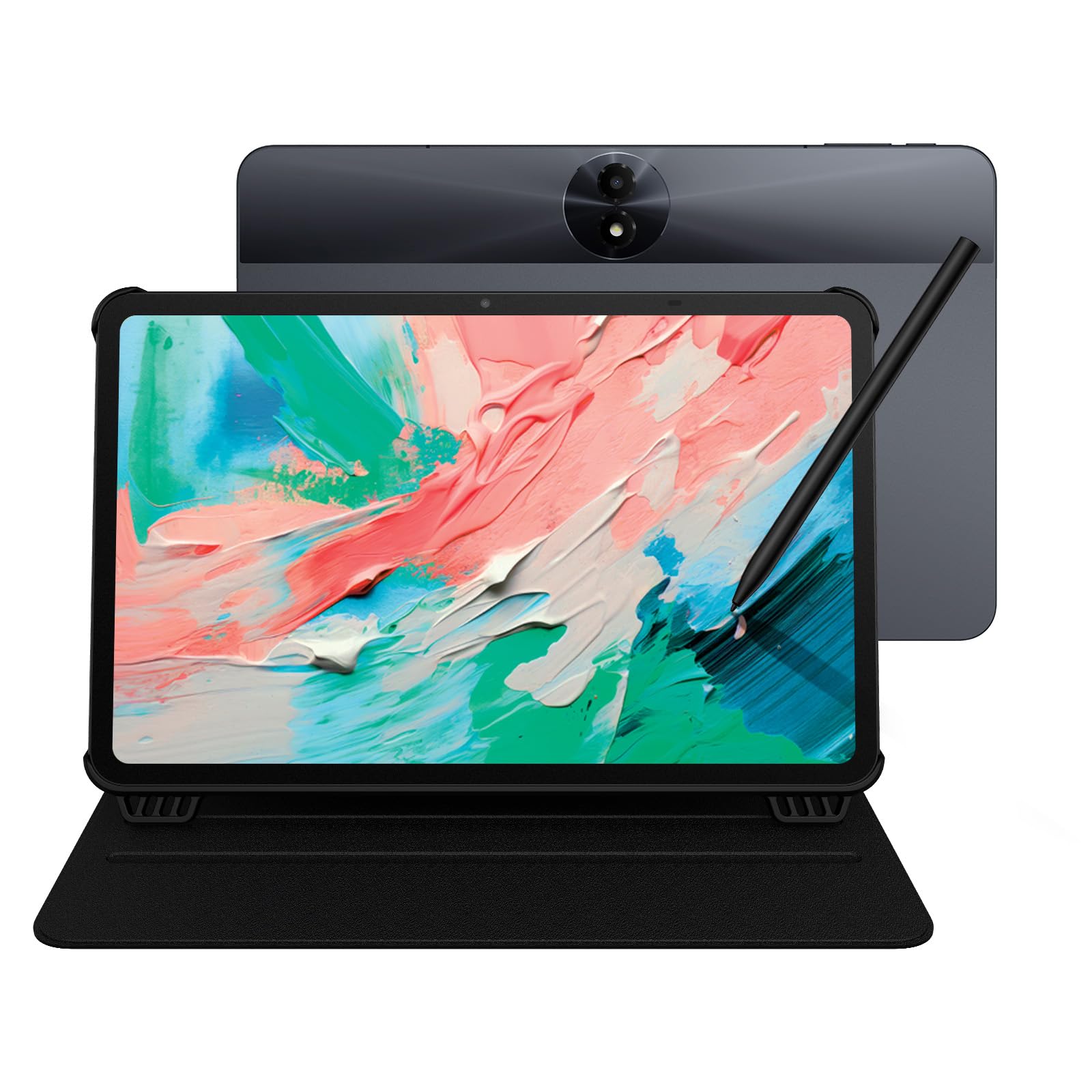
7 Best Tablet for Photo Editing 2026: Real Speed, Not Virtual RAM

Choosing the best tablet for photo editing comes down to real performance, display quality, and pen support — not headline specs.

Tablet listings love to headline memory totals and pixel counts. In practice, those numbers can blur: '24GB RAM' often includes virtual expansion, and an advertised 1920x1200 screen may not match the panel in the box. The result is a tablet that looks capable on paper but lags when you open a raw file.

The fix is to shop by what affects editing: physical RAM and processor, display resolution and color, stylus pressure support, and storage that fits your library. A large bundle of accessories doesn't replace those fundamentals, and a low price means little if the screen can't show your edits accurately.

For photographers, the practical choice is the screen you can trust for tone and color, a pen that responds to pressure, and enough real processing headroom for Lightroom or Capture One-style edits. Everything else is marketing.

2

Best Android with Pen

Lenovo Idea Tab Pro

90 /100
Studio Score High Confidence

Key details

Storage
128GB, microSD expandable
Ecosystem
Android, Google Play
Stylus Support
Tab Pen Plus, 4096 levels
Display Quality
12.7-inch 3K LCD 90Hz
Check Price on Amazon

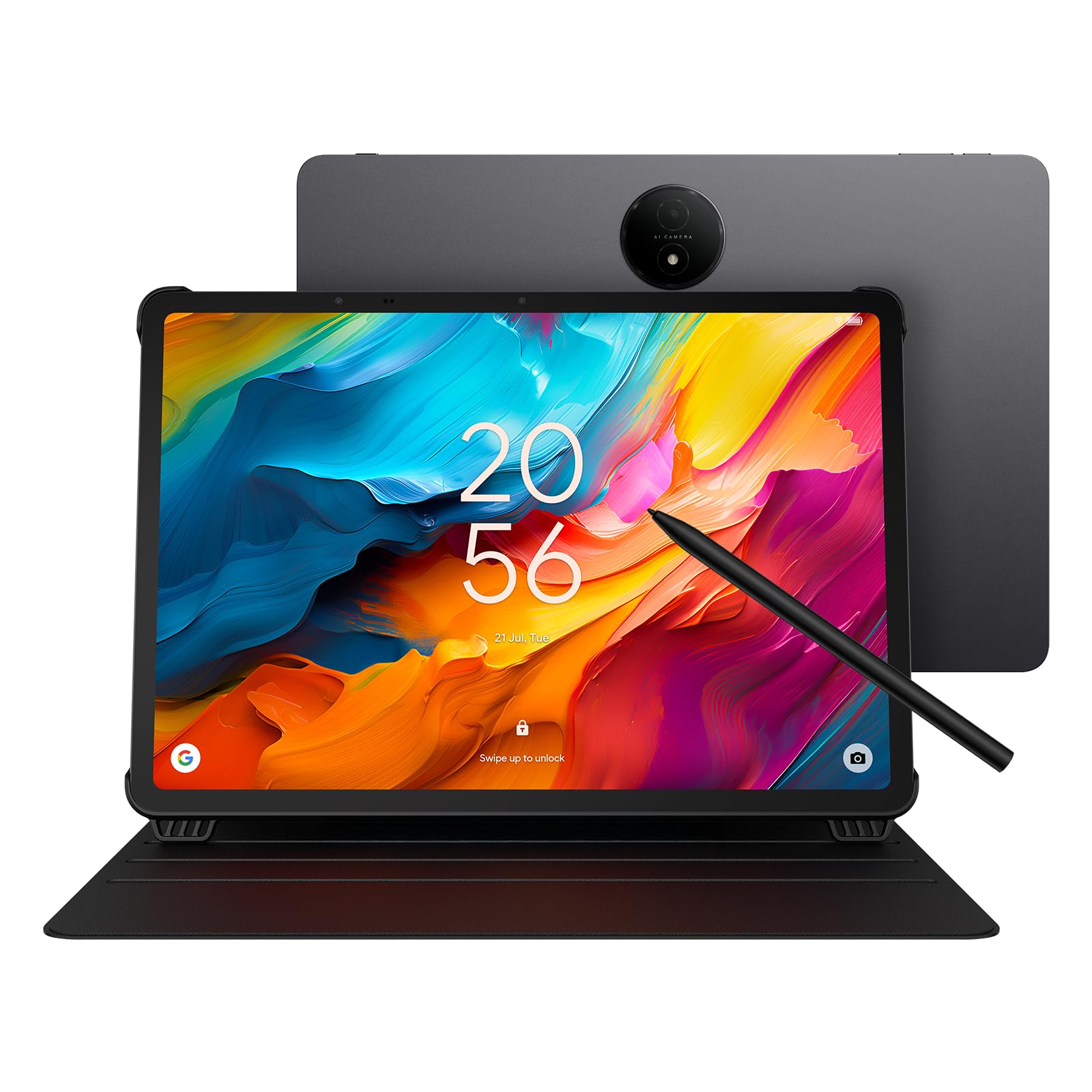
The Lenovo Idea Tab Pro is the Android pick for photo editors who want a large canvas without crossing into premium iPad territory. Its 12.7-inch 3K LCD at 90Hz gives raw adjusters more room than the usual 11-inch slate, and the bundled Tab Pen Plus with 4096 pressure levels supports pressure-sensitive drawing out of the box. The Dimensity 8300 processor and 8GB RAM keep photo apps responsive even with multiple layers open.

This configuration suits Android users who want a large editing canvas, budget-conscious photo editors, and students mixing note-taking with media. The physical tradeoff is real: heavy video or gaming sessions can drain the 10200mAh battery faster than expected, and a full charge can take over three hours. The metal body also gets heavy when held for long sketching sessions, so keeping it on a lap or desk makes more sense. The screen size and included pen still give it a clear purpose as a home-base editing tablet.

Storage starts at 128GB and expands through microSD, which matters once RAW files and edited projects start accumulating. The included folio doubles as a stand, letting you prop the large display at a working angle while the Tab Pen Plus is in hand. That package is hard to match at this price point among Android tablets.

💡 Keep the 45W charger near a desk and treat this as a sit-down editing tablet rather than a one-handed reader.

Pros

  • Large 3K display at 90Hz makes photo retouching sharp and scrolling smooth.
  • Dimensity 8300 keeps photo apps and multitasking responsive at this price.
  • Tab Pen Plus with 4096 pressure levels supports drawing and note-taking out of the box.
  • Included folio adds a stand and protection, making this a complete editing kit.

Cons

  • Large metal body can make handheld editing tiring during longer sessions.
  • Battery can drain faster under video or gaming, and a full charge can take over three hours.
Our verdict

This is the Android tablet to choose when a large screen and included pen matter more than portability or all-day battery.

Check Latest Price
3

Professional's Choice

iPad Pro 13 (M4)

95 /100
Studio Score High Confidence

Key details

Storage
512GB fixed
Ecosystem
iPadOS, editing apps
Stylus Support
Apple Pencil Pro, not included
Display Quality
13-inch Ultra Retina XDR
Check Price on Amazon

The 13-inch Ultra Retina XDR display and M4 processor give this iPad the color accuracy and speed that color-critical retouching demands. The A16 all-rounder handles everyday editing, but this iPad carries the workload when raw files are large and the screen has to be trusted. Apple Pencil Pro support and 512GB of storage round out a professional retouching kit.

Battery life holds up through a full day of editing away from power, and the Thunderbolt/USB 4 port moves large RAW libraries quickly. The M4 keeps layer-heavy files responsive during export, so time at the desk is spent adjusting images rather than waiting on renders.

This tablet is for working photographers and retouchers who need accurate color and minimal wait times during complex edits. The premium price plus separate Apple Pencil Pro and keyboard costs are the boundaries. Casual editors on a budget should weigh the A16 all-rounder before settling on this tier.

💡 Include the Apple Pencil Pro in the same order as the tablet so the retouching setup is complete from day one.

Pros

  • The M4 handles demanding RAW edits and video timelines with no perceptible lag.
  • Ultra Retina XDR display provides accurate, high-brightness color for retouching decisions.
  • Processor speed keeps large exports and layered files responsive.
  • Battery life supports a full day of editing away from power.

Cons

  • Apple Pencil Pro and keyboards are sold separately, so a complete editing setup exceeds the base price.
  • Occasional photo editors will find the extra speed and XDR color range beyond what their workflow needs.
Our verdict

Color-critical retouchers who already live inside the Apple ecosystem get the fastest editing tablet in this lineup with the color accuracy the work demands. Anyone else should start with the A16 all-rounder and only step up when the workload demands it.

Check Latest Price
4

Best Large Canvas on a Budget

TCL NXTPAPER 14

86 /100
Studio Score Strong Evidence

Key details

Storage
256GB fixed
Ecosystem
Android, Google Play
Stylus Support
T-PEN included
Display Quality
14.3-inch NXTPAPER 2.4K 60Hz
Check Price on Amazon

The 14.3-inch 2.4K NXTPAPER screen is the biggest canvas in this comparison, and the matte anti-glare finish keeps reflections down during long drawing sessions or sheet-music reads. The 10000mAh battery supports a full day of mixed use, and the included T-PEN covers basic sketching and annotation without an extra purchase. Set it on a stand and it behaves like a portable drafting surface.

Musicians, artists, and note-takers are the natural audience here. Photo editors working with JPEGs or single-layer adjustments get a lot of surface for the money, and reviewing contact sheets on a 14.3-inch canvas is genuinely pleasant. Those who need fast raw-file processing, expandable storage, or a bundled charger should treat the Helio G99, fixed 256GB, and separately sold charger as the practical boundaries.

NXTPAPER modes shift color temperature and reduce blue light, which makes evening reading noticeably more comfortable. The 2400x1600 resolution keeps text and interface elements sharp on the large panel, and the anti-glare coating allows setup near a window without constant tilt adjustments. For note-taking and score reading, the generous size means less zooming and fewer page turns. Even after several hours, the display does not produce the eye fatigue that glossy slates do.

Pros

  • Large 14.3-inch paper-like screen gives sheet music, sketches, and note layouts room to breathe.
  • NXTPAPER modes and matte finish keep long reading sessions comfortable on the eyes.
  • Mid-range price buys far more display area than comparably priced slates.
  • Bundled T-PEN covers drawing and annotation without an extra stylus purchase.

Cons

  • Charge times can vary depending on the USB-C adapter you supply.
  • 256GB is fixed with no microSD slot, so large photo libraries need cloud or external backup.
  • Helio G99 can stutter on large raw files in demanding Android photo apps.
Our verdict

Musicians and artists who want a big paper-like surface without flagship spending will find it here.

Check Latest Price
5

Best Budget Android

Lenovo Idea Tab 11

90 /100
Studio Score High Confidence

Key details

Storage
256GB, microSD expandable
Ecosystem
Android, Google Play
Stylus Support
Tab Pen included
Display Quality
11-inch 2.5K IPS 90Hz
Check Price on Amazon

The Idea Tab 11 puts a true 2.5K 90Hz display and a bundled pen at the lowest entry point for Android photo editing. Its 11-inch size keeps it easy to carry, but this is not the large-canvas choice for heavy raw editing — that role in the set belongs to the bigger Idea model.

The 2560x1600 IPS panel holds fine at 500 nits, and the 90Hz refresh makes scrolling photo libraries smoother than a standard 60Hz tablet. With 8GB RAM and 256GB storage, single-image edits in Lightroom Mobile or Snapseed have enough headroom, and battery life covers a full day of lectures and note-taking.

The Tab Pen and folio case ship in the box, so the budget price is the total spend. A microSD slot adds room beyond the 256GB internal storage, which keeps photo archives from forcing an upgrade.

Budget-conscious photo editors and students are the target audience: the stylus is a basic note-taking pen, and the Dimensity 6300 can lag under heavier multitasking. Both are acceptable when editing happens one image at a time, but color-critical professionals should still look to the top pick's calibrated display and stronger app ecosystem.

💡 Keep heavier editing sessions focused on one app at a time.

Pros

  • Bundled pen, folio case, and 256GB storage at a budget price make the entry-level package genuinely complete.
  • The 2.5K IPS display with 90Hz refresh and 500 nits keeps photo libraries sharp and scrolling smooth.
  • Battery life covers a full day of mixed note-taking and photo editing without hunting for a charger.
  • 8GB RAM and a microSD slot give editing apps and photo libraries room to grow beyond native storage.

Cons

  • The included Tab Pen is a basic note-taking stylus, not a drawing-focused tool with pressure precision.
  • In photo-editing sessions with multiple apps open, the Dimensity 6300 can lag enough to interrupt the flow.
Our verdict

This is the budget Android tablet that spends its money on display and storage rather than leaving accessories as extras.

Check Latest Price
6

Eye-Comfort Note-Takers

TCL NXTPAPER 11

85 /100
Studio Score Strong Evidence

Key details

Storage
128GB, microSD expandable
Ecosystem
Android, Google Play
Stylus Support
T-PEN included
Display Quality
11-inch NXTPAPER 1200p 60Hz
Check Price on Amazon

The NXTPAPER 11 wraps a genuinely comfortable matte panel in a value bundle: the T-PEN stylus and flip cover are in the box, and the 8000mAh battery easily stretches across long reading or note sessions. The 1200p resolution and occasional reliability/QC variance limit its editing ceiling, so serious photo retouching belongs on a higher-resolution tablet. For users who mainly want a paper-like screen for reviewing images, marking up documents, and taking notes, the included pen makes this a low-stakes, budget-friendly companion.

Pros

  • Matte NXTPAPER coating cuts glare and lessens eye fatigue during long reading sessions.
  • T-PEN stylus and flip cover are included, so note-taking starts without extra accessory purchases.
  • 8000mAh battery holds up through extended reading and note-taking sessions.

Cons

  • The 60Hz screen can make scrolling through large photo libraries feel less fluid than 90Hz or 120Hz tablets.
  • Startup can be slow, and the interface may pause briefly when switching between photo apps.
Our verdict

For photographers who need a secondary tablet for reviewing images and jotting edit notes, the NXTPAPER 11 makes a budget-friendly companion.

Check Latest Price
7

Casual Media Users

TABWEE T90

83 /100
Studio Score Strong Evidence

Key details

Storage
128GB, expandable
Ecosystem
Android, Google Play
Stylus Support
Stylus included
Display Quality
11-inch FHD 1200p 60Hz
Check Price on Amazon

The T90 bundles a bright 11-inch FHD display with keyboard, mouse, and stylus at a budget-friendly price, and the setup process is quick. That makes a strong first impression for casual browsing and streaming. Photo-editing buyers should treat it as a secondary device: the Unisoc T615 is entry-level, Wi-Fi and Bluetooth can drop during cloud transfers, and battery life varies between units. The result is a light-duty 2-in-1 that sits below the editing-focused tablets in this roundup, not a serious photo-editing canvas.

Pros

  • Keyboard, mouse, and stylus arrive in the box, so the full kit is ready without extra purchases.
  • The 11-inch FHD IPS display looks bright and sharp enough for streaming and web browsing.
  • Initial setup is fast and Android navigation feels simple for everyday apps.

Cons

  • The entry-level processor can stutter on large layered edits, so this is best for quick touch-ups rather than raw retouching.
  • Wireless connections can drop during cloud backups, which interrupts remote editing sessions.
Our verdict

For occasional photo touch-ups and general media use, this bundle's screen and accessories make it an affordable second tablet; if cloud-heavy editing or large raw files are the priority, look to the editing-focused top picks.

Check Latest Price
8

Budget LTE Media

FEONAL 11 Tablet

84 /100
Studio Score Strong Evidence

Key details

Storage
128GB, expandable
Ecosystem
Android, Google Play
Stylus Support
None, touchscreen only
Display Quality
11-inch IPS 1280x800 listed
Check Price on Amazon

The FEONAL 11 is a budget-friendly Android tablet with built-in 4G LTE and enough response for streaming, reading, and everyday apps. Setup is easy, and the 11-inch IPS panel works fine for casual video. The photo-editing intent stops here: no active stylus support and display resolution/spec inconsistency make it unsuitable for photo editing. That keeps it in also-consider territory for budget LTE media use rather than creative work. If the main job is a low-cost connected secondary screen, it fits; for the editing workflow this search targets, it doesn't advance.

Pros

  • Budget-friendly 11-inch Android tablet with built-in 4G LTE keeps streaming costs low.
  • Setup is easy and everyday tasks such as reading and browsing feel responsive.
  • The 11-inch IPS panel is decent for casual video and general media use.

Cons

  • Display resolution is listed two ways, so sharpness expectations are uncertain.
  • No active stylus support means pressure-sensitive editing and drawing are unavailable.
Our verdict

If you need a low-cost LTE tablet for streaming and reading, the FEONAL 11 fits; anyone shopping for a photo-editing tablet should choose an editing-capable model from the main set instead.

Check Latest Price

How to Choose

Display Resolution and Color

Resolution determines how much detail you see when zooming into a raw file. A 1200p display is workable for casual edits, but 2.5K or 3K panels reveal finer texture and make focus checks easier. Color accuracy matters more than pixel count: a calibrated wide-gamut screen keeps your edits closer to the final export.

Stylus Quality and Pressure

Precise masking and retouching need an active stylus with pressure sensitivity, not a finger-driven capacitive pen. Pressure levels control how naturally a stroke builds from light to heavy; 4096 levels is the practical standard, while basic note-taking pens often omit pressure response. Check whether the pen is included, because many tablets support a stylus but ship without one.

Processor and Real RAM

Raw editing keeps several large files open, so physical RAM and processor speed decide whether brush strokes stay smooth or the interface stutters. Android listings sometimes count virtual RAM in advertised totals; virtual memory borrows storage and cannot match real RAM speed.

Look for at least 8GB of physical RAM and a current-generation chipset if you plan to edit 50MP-plus files. A midrange chip can handle simple sliders, but it will slow down during noise reduction, healing tools, and large exports.

Storage and Expandability

A raw file can exceed 50MB, so 128GB fills quickly when you keep originals on the tablet. Android tablets with microSD slots offer cheap archival space; iPads do not, so you buy the capacity upfront.

MicroSD is fine for backup, but its slower transfer speed makes it a poor home for an actively edited catalog. If your workflow depends on cloud or external drives, smaller internal storage can still work.

App Ecosystem

The operating system determines which editing apps run well and how deeply they use the stylus. iPadOS has the broadest set of tablet-first photo editors and consistent color management.

Android has capable editors, but app optimization varies by device, so confirm your preferred editor supports the specific stylus and display before committing.

Frequently Asked Questions