9 Best Headphones for Audio Monitoring in 2026: Serviceable Picks

Wired headphones for audio monitoring that keep their accuracy after months of studio, podcast, and video work.

The word 'monitor' gets applied to everything from broadcast workhorses to budget DJ cans. In practice, what separates a usable studio tool from a frustrating purchase is not the frequency response chart. It is whether the headphone keeps its sound honest after months of daily use.

Many budget models with Hi-Res stickers and 50mm drivers look strong on paper, but the first break usually shows up in a hinge, a swivel, or the fixed cable. A detachable cable and replaceable earpads matter more than marketing labels when you are editing voice-over, tracking a session, or checking audio on a video project. That is why serviceability and fit should weigh as heavily as sound quality.

A comfortable clamp that matches your head shape is just as important as driver size. Buyers who ignore those mechanical details end up replacing a headphone that otherwise sounds fine.

1

Best Overall

ATH-M50X Studio Monitors

95 /100
Studio Score High Confidence

Key details

Type
Closed over-ear
Cable
Detachable 3-cable
Swivel
90°
Impedance
38 ohm
Check Price on Amazon

The 45mm large-aperture drivers with rare-earth magnets and three detachable cables give the ATH-M50X a level of flexibility the other wired monitors here lack. It pairs a closed-back shell with a bass-forward, detailed tuning that keeps bleed out of live mics, so you can move from a tracking cue mix to a full mix check without switching headphones. The 90-degree swivel cups and locking cable connector cover the ergonomics studio work demands.

Passive isolation is enough to keep a mix audible in a room with a PC fan or keyboard clatter, and the closed shell prevents sound from bleeding into an open podcast mic. Swiveling one earcup back for a live-room cue is easy, and the plush over-ear pads spread the clamp pressure across a wide enough area that long edit blocks remain comfortable for a range of head sizes. The earcups seal around the ear rather than pressing directly against it, which keeps bass response stable during longer sessions.

The low end is present without turning the midrange to mush, so kick and bass stay easy to place while dialogue remains intelligible for video and podcast editing. The high end has a slight lift but not enough to make long sessions tiring, and the balance leans a little warm, which helps vocal tracks sit forward while retaining the transient detail of acoustic guitar or hi-hat. The 38-ohm impedance works straight from an audio interface, laptop, or headphone jack without an extra amp.

Home-studio producers, podcast and video editors, and musicians who need one closed-back monitor for tracking, mixing, and location checks will find the tuning and cable options fit the job. Clamp pressure and earpad wear vary by head shape; pads are a normal replacement item.

At its mid-range price, the detachable-cable convenience separates it from fixed-cord budget monitors. The 90-degree swivel cups let you check one channel without pulling the headband off-axis, and the bass-forward tuning is easier to live with for all-purpose work than a fully neutral open-back reference. It does not fold into a tiny on-ear package, so this is a desk-and-bag monitor rather than a pocket travel headphone. For studio use, it covers music, video, and voice-over with one pair on the desk.

Pros

  • Clear, bass-forward closed-back sound with enough detail to expose mix errors during tracking and editing.
  • Mid-range price gets you studio-grade driver clarity plus a cable system that stays useful beyond the first year.
  • Plush over-ear pads and a sealed fit keep long editing sessions comfortable for a range of head sizes.
  • Closed earcups isolate background noise and keep cue spill out of nearby microphones.
  • Three detachable cables make it easy to switch between interface, DJ mixer, and portable source.

Cons

  • Stock earpads and headband padding can lose their shape after sustained daily use; replacement is routine.
  • Snug clamp can be noticeable on larger heads, and the earcup opening feels small for some users.
Our verdict

For wired monitoring, the M50X is the easy keeper: swivel cups, cable options, and closed-back isolation cover the daily demands of studio and video work.
Check Latest Price
2

Industry Standard Workhorse

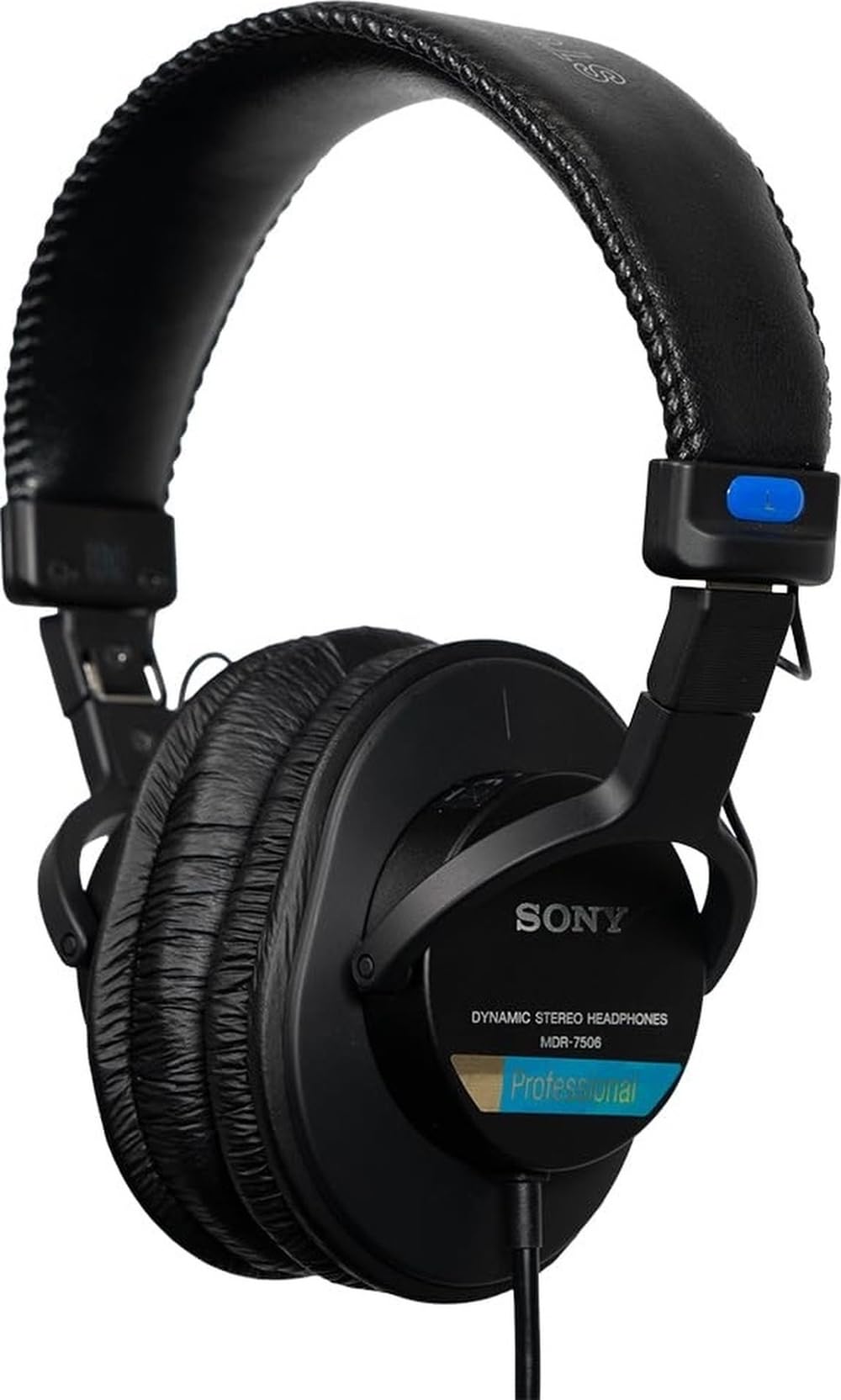
Sony MDR-7506

95 /100
Studio Score High Confidence

Key details

Type
Closed over-ear
Cable
Fixed 9.8 ft
Swivel
No
Impedance
63 ohm
Check Price on Amazon

The Sony MDR-7506 delivers the kind of clear, balanced closed-back sound that voice-over booths and edit suites have relied on for decades. Its 40mm neodymium drivers present a flat-leaning voicing that makes mix decisions easier to hear, and the foldable frame slips into a gear bag without complaint. The all-purpose Audio-Technica in this lineup adds cable flexibility and a softer average fit, but the Sony counters with a lower price and a longer professional history.

Closed-back isolation keeps microphone bleed low during narration and podcast tracking. The 63-ohm impedance pairs directly with typical audio interfaces, and the 40mm dynamic driver stays composed on dialog and music beds. Dense plastic and steel-yoke construction tolerate the bumps that come with moving between rooms. This is a tool for hearing what is actually on the track, not for flattering it.

This is for sound editors, voice-over talent, and video-post engineers who need a closed-back monitor with honest midrange and no wireless extras. The stock earpads can feel tight, and the fixed cable is the first likely wear point, so factor in aftermarket pads and careful cable handling. Listeners who want a bass-heavy consumer tuning should look elsewhere.

Pros

  • Balanced, flat-leaning sound makes mix and voice-over decisions easier to hear.
  • Rugged closed-back frame handles studio, location, and live-adjacent work.
  • Mid-range price keeps a serious monitoring tool accessible.
  • Closed-back isolation keeps bleed low around live microphones.

Cons

  • Stock earpads may need replacement after extended use; aftermarket pads are a normal adjustment.
  • Internal wiring can wear after years of daily use.
Our verdict

For voice-over and video-post engineers who want a no-nonsense closed-back monitor at a mid-range price, the MDR-7506 is the workhorse.

Check Latest Price
3

Neutral Studio Alternative

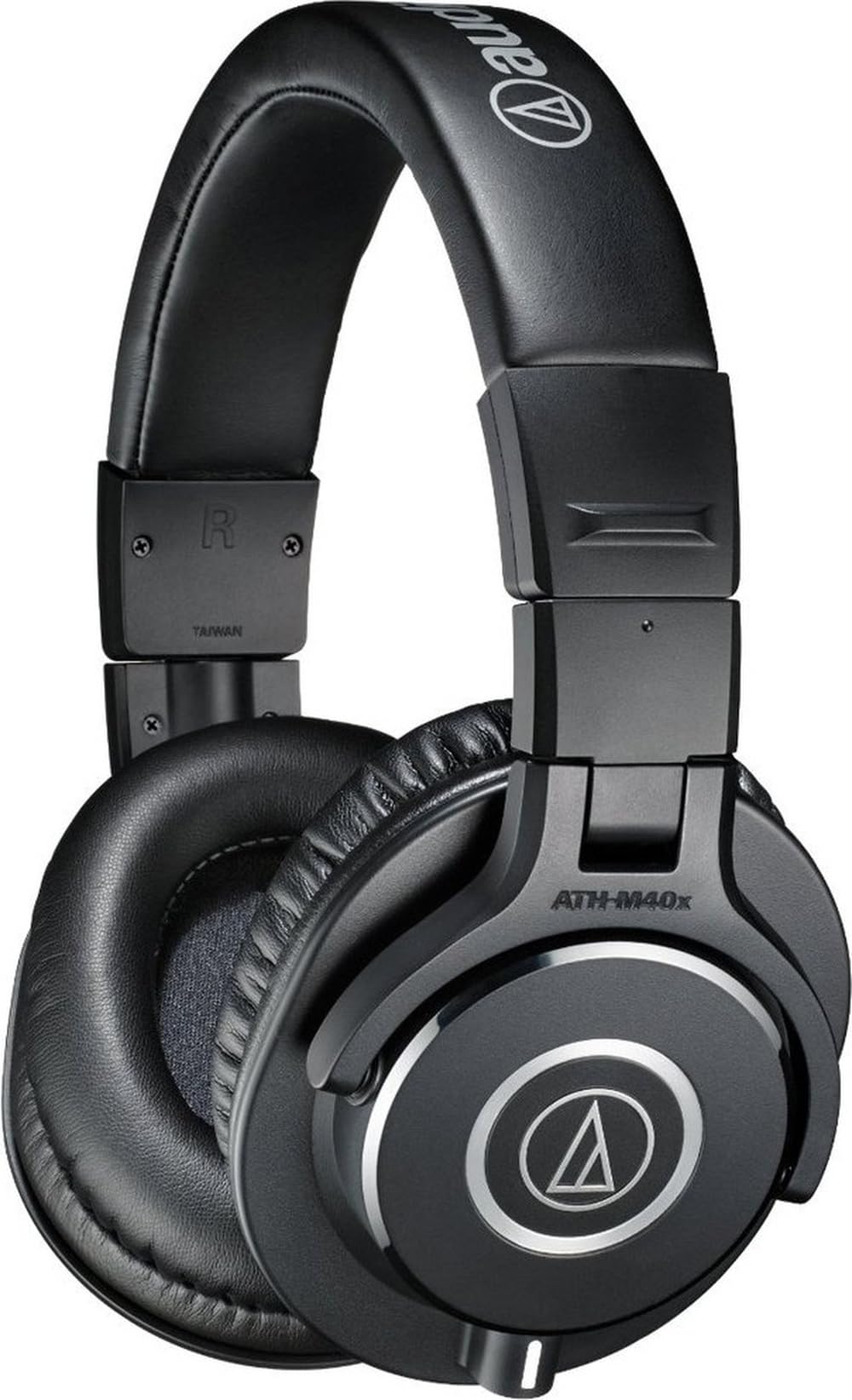
ATH-M40x

93 /100
Studio Score High Confidence

Key details

Type
Closed over-ear
Cable
Detachable
Swivel
90°
Impedance
35 ohm
Check Price on Amazon

The ATH-M40x pairs a balanced, neutral-leaning voicing with detachable cables and 90-degree swivel earcups at a mid-range price. It sits below the M50X in the Audio-Technica monitor lineup, but that position is not a downgrade: the tuning is flatter and more restrained, which is preferable when you are judging mix balance rather than enjoying a track.

The 40mm drivers separate instruments cleanly across the midband, and the closed-back shell provides enough passive isolation for video editing in a room with conversation or HVAC noise. The detachable cable is a practical upgrade over fixed-cable studio models, and the swivel cups make one-ear checking simple. The 35-ohm impedance runs cleanly from audio interfaces and laptops without a dedicated headphone amp. Build quality is solid enough for daily handling in a studio, with the same A-T aesthetic as the more expensive models.

This is the right monitor for mixers, editors, and podcasters who want neutral response and cable flexibility without paying flagship price. It is not for bass-heavy listeners, and it is not for anyone who expects plush, soft earcups out of the box: the firm clamp and stiff pads need break-in time before long sessions feel comfortable. Once the headband settles, the fit is secure enough for tracking without constant readjustment.

Pros

  • Balanced, clear sound with strong instrument separation for editing and mixing.
  • More affordable than the M50X while keeping detachable cables and swivel cups.
  • Closed-back shell offers enough isolation for moderately noisy rooms.
  • Solid construction suits daily studio handling.

Cons

  • Firm clamp and stiff earpads can make early sessions feel tight until the pads break in.
  • Hinge durability can vary between units; long-term wear after months has been noted.
Our verdict

The M40x is the value pick for neutral-leaning closed-back monitoring, pairing a flatter voicing with detachable cables below the flagship M50X.

Check Latest Price
4

High-Isolation Closed-Back

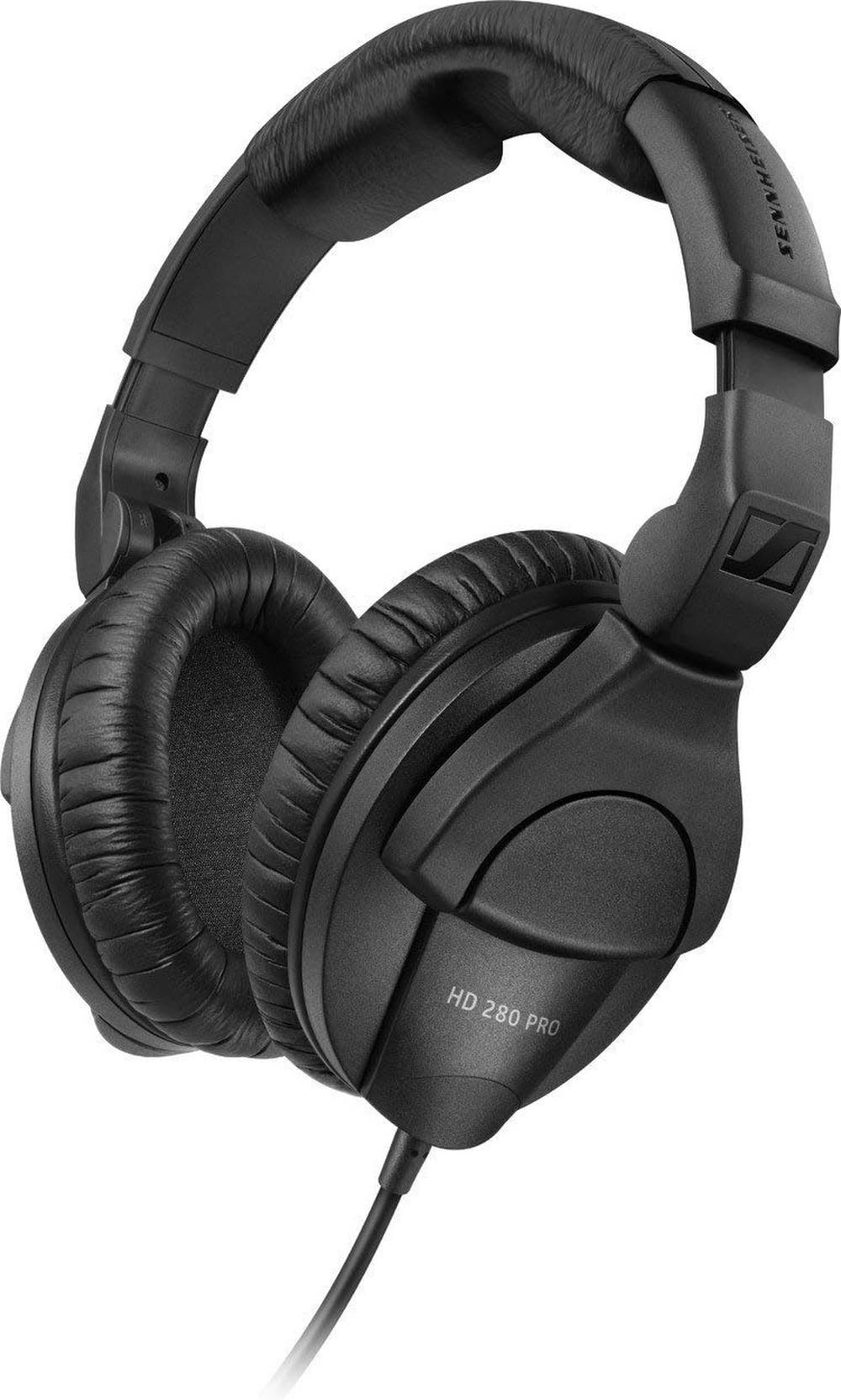
Sennheiser HD 280 Pro

91 /100
Studio Score High Confidence

Key details

Type
Closed over-ear
Cable
Replaceable
Swivel
No
Impedance
64 ohm
Check Price on Amazon

The HD 280 Pro leads this group on passive isolation, which makes it the intended choice for drummers, live-sound engineers, and location recordists. The sealed over-ear shell blocks room noise without a power supply, and the replaceable cable and earpads are structural choices that keep it working beyond the first year.

The balanced tuning keeps vocals and drums centered without the low-end lift that can mask level issues, so long monitoring shifts are easy to judge. Strong attenuation keeps click tracks audible near stage monitors, and leakage back into microphones stays low.

This is for monitoring work where isolation matters more than open-back airiness: noisy rehearsal rooms, field recording near HVAC, and live cue monitoring. Clamp force is high for some heads; that firm seal is the same mechanism behind the strong isolation, so avoid over-loosening it. If you want the open-back reference in this set, you trade that isolation for a wider soundstage and need a headphone amp.

The collapsible frame stows in a kit bag, making it easy to move between studio, rehearsal, and location work. The portability is a practical plus for roving engineers.

💡 Leave the headband stretched over a few stacked books overnight if the initial fit feels tight; the grip settles in.

Pros

  • Strong passive attenuation keeps room noise out and leaves little bleed into open microphones.
  • Clear, balanced tuning lets you judge levels without a hyped low end.
  • Sturdy over-ear build holds up in studio and live bags.
  • Replaceable earpads and cable keep service costs low over time.

Cons

  • Firm grip can make long sessions uncomfortable, especially for larger head shapes.
  • Headband joints and internal wiring can develop issues over time; inspect the yokes on a used pair.
Our verdict

For noisy-room monitoring and live-sound work, the HD 280 Pro pairs high isolation with repair-friendly construction; buy it for jobs that demand low bleed and low upkeep.

Check Latest Price
5

Open-Back Reference

Sennheiser HD600

94 /100
Studio Score High Confidence

Key details

Type
Open over-ear
Cable
Detachable Kevlar
Swivel
No
Impedance
300 ohm
Check Price on Amazon

The HD 600 is the open-back audiophile reference in this monitor roundup. Its 300-ohm dynamic drivers prioritize natural timbre and spatial detail over the easy loudness of consumer headphones. For a mix engineer working in a quiet room, that pays off: stereo position, reverb tails, and low-level detail stay readable, and the sound comes across as neutral rather than artificially flattering.

This is not a headphone to use near live microphones, and it is not for anyone who expects full sound from a laptop or camera jack. The buyer who gets maximum value already owns a dedicated headphone amplifier and works in a controlled listening space. Mix engineers doing final sound review, audiophiles with a reference setup, and editors who need maximum detail for last-pass checks are the natural audience. If your work centers on tracking or location shoots, the closed-back Sennheiser in this set is the better direction.

Once the break-in period is behind you, long sessions are workable thanks to plush earpads and a sturdy open-back frame suited to daily desk use. Plush pads distribute pressure, and the open-back frame keeps ears from building up heat during long reviews. The detachable Kevlar-reinforced cable is easier to replace than a fixed-cord design, which matters as gear ages.

Pros

  • Reference-grade clarity and a wide soundstage let mix engineers hear detail and errors that everyday headphones mask.
  • Sennheiser's natural tonal balance suits classical, jazz, and mix-critical listening without hyping bass or treble.
  • Plush earpads provide long-wearing comfort for hours of critical listening without hot spots during extended sessions.
  • Sturdy open-back frame and detachable Kevlar-reinforced cable make this easier to maintain than fixed-cable monitors.

Cons

  • Out of the box, clamp pressure can feel firm on larger heads until the frame and pads break in.
  • Open-back design leaks sound and offers no isolation from room noise, so accuracy depends on a quiet listening space.
Our verdict

The HD 600 is for anyone who wants to hear into a mix rather than seal themselves off from a room.

Check Latest Price
6

Budget DJ/Monitor Hybrid

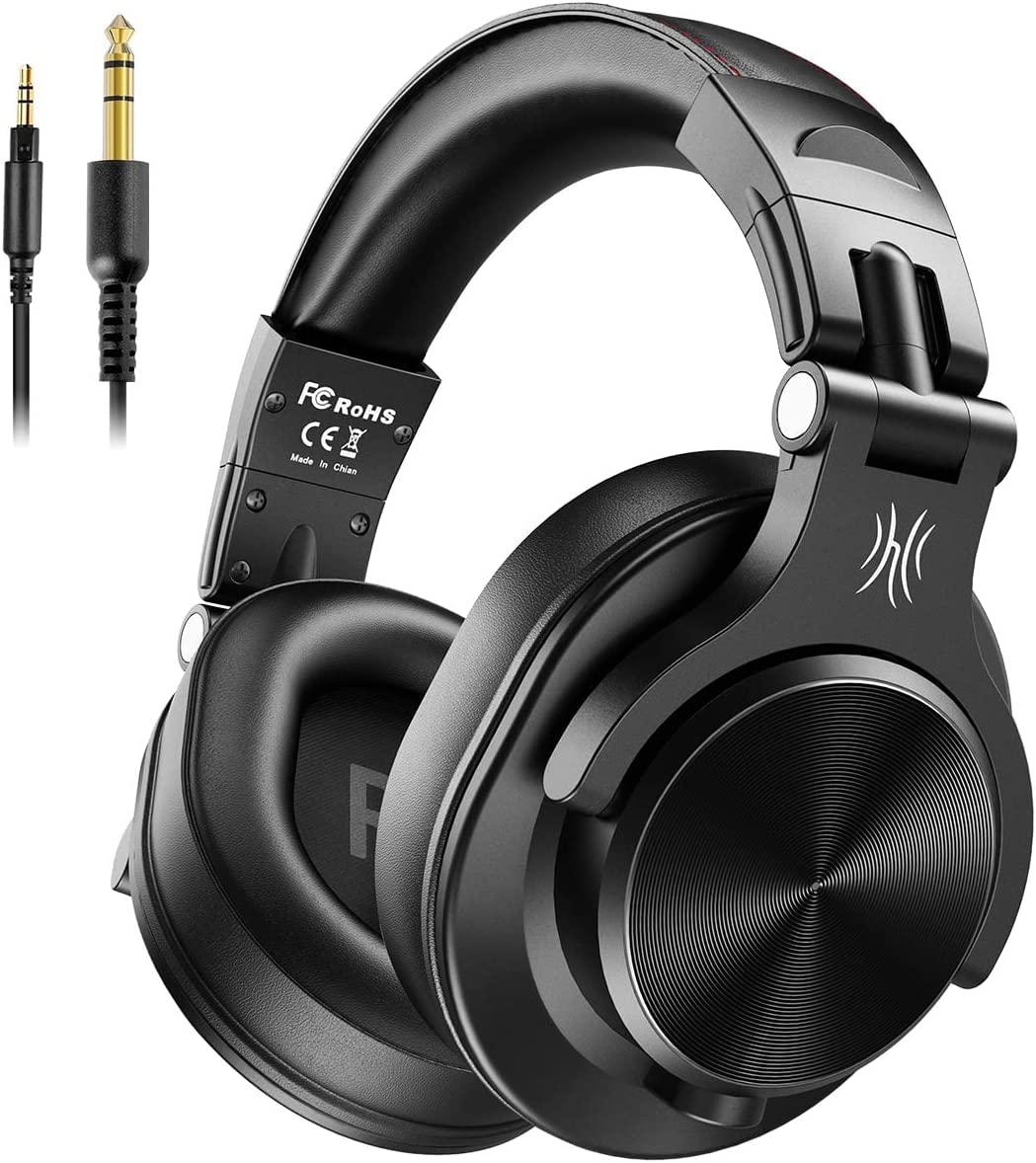
OneOdio Pro-50

91 /100
Studio Score High Confidence

Key details

Type
Closed over-ear
Cable
Dual detachable
Swivel
90°
Impedance
32 ohm
Check Price on Amazon

The Pro-50 offers 50mm drivers, dual detachable cables, and swivel cups at a budget price, giving it the strongest feature set per dollar in this group. The closed-back sound is clear and detailed enough for basic editing, mixing checks, and instrument practice, and the 3.5mm and 6.35mm plugs connect to amps, interfaces, and DJ mixers without needing adapters. For first-time home-studio users, it covers core monitoring jobs without a separate cable purchase.

Comfort is a strong point: plush earpads and a foldable frame support long listening sessions at a desk or practice space. The swivel cups allow single-ear monitoring for cueing, which helps podcasters and DJs keep one ear on the room. The closed-back shell provides basic isolation in noisy environments without leaking much into a nearby mic.

The right buyer is a guitarist, keyboard player, or first-time studio user who wants flexible wired connections at a budget price. Hinge and earcup durability can be inconsistent, so this is best treated as a home-studio or practice-room headphone rather than a touring workhorse. It will not replace a fully neutral reference for critical mix translation, but for day-to-day tracking and editing it delivers useful value.

Pros

  • Clear, detailed sound from 50mm drivers suits tracking, editing, and mix checks.
  • Plush ear cushions and foldable frame keep long studio sessions comfortable.
  • Dual 3.5mm and 6.35mm detachable cables connect to amps, mixers, and interfaces.
  • Swivel cups and closed-back design support one-ear cueing with basic isolation.

Cons

  • Plastic shell feels less solid than premium monitors, though it keeps weight down.
  • Fit may shift on some head shapes, and the headband can need adjustment during longer sessions.
Our verdict

For budget monitoring at home, the Pro-50 is the feature-dense pick: 50mm drivers, dual cables, and swivel cups at a price that leaves room for other studio gear.

Check Latest Price
7

Budget DJ Practice

OneOdio A71

91 /100
Studio Score High Confidence

Key details

Type
Closed over-ear
Cable
Coiled dual
Swivel
90°
Impedance
32 ohm
Check Price on Amazon

The A71 pairs 40mm dynamic drivers with swivel earcups and both 3.5mm and 6.35mm coiled cables, giving entry-level DJ practice and keyboard/bass monitoring a genuinely usable closed-back at a budget price. Sound is clear and Hi-Res-style in the mids and treble, with enough isolation for quiet-room recording checks. The plastic hinge assembly can wobble or loosen over time, so treat it as light-duty gear rather than a daily workhorse. If you plan to mix or track regularly, the Pro-50's 50mm driver and added features justify its small price step up.

Pros

  • Clear Hi-Res-style detail at a budget price suits entry-level recording and DJ monitoring.
  • Swivel earcups and dual 3.5mm/6.35mm cables cover DJ one-ear monitoring and keyboard/bass amp connections.
  • Soft padded earcups keep the A71 comfortable for average head sizes during longer listening blocks.

Cons

  • The coiled cable can be awkward in tight desktop setups; the 6.35mm side fits keyboard and bass use better.
  • Earcups fit tight on larger heads, so pressure may build during long monitoring sessions.
Our verdict

The A71 is the budget entry point when you need a closed-back monitor for occasional practice and amp-connected playing.

Check Latest Price
8

Podcast Voice-Over

FIFINE HD8

89 /100
Studio Score Strong Evidence

Key details

Type
Closed over-ear
Cable
Dual detachable
Swivel
No
Impedance
32 ohm
Check Price on Amazon

The FIFINE HD8 is a low-cost closed-back monitor with two detachable cables and clean, articulate sound, well suited to podcast and voice-over work. The 50mm drivers and 32-ohm impedance connect straight to an interface, while the soft leather-like pads favor average heads. Very large heads sit outside the intended fit range. It is not a completely neutral mix reference, and the top picks offer a more rugged, serviceable build for all-day studio duty, so it sits below them as a budget starter or backup pair. The accessible price makes it a sensible entry point for new podcasters and video editors.

Pros

  • Two detachable cables cover both 3.5mm and 6.35mm outputs without an adapter.
  • Clean, articulate sound supports podcast and voice-over monitoring without EQ fuss.
  • Soft leather-like pads provide a comfortable over-ear fit for average head sizes.

Cons

  • For larger heads, clamp pressure can make extended monitoring sessions uncomfortable.
Our verdict

For podcast and voice-over newcomers building a first monitoring setup, the HD8 is a practical, budget-friendly starting point.

Check Latest Price
9

Entry-Level Monitoring

TASCAM TH02

88 /100
Studio Score Strong Evidence

Key details

Type
Closed over-ear
Cable
Fixed
Swivel
No
Impedance
32 ohm
Check Price on Amazon

At one of the lowest prices in the wired monitor category, the TH-02 pairs TASCAM branding with 50mm drivers and a closed-back design, giving a student or first-time buyer a credible entry to monitoring. The earcups are smaller and harder, so comfort drops after about an hour; for podcast checks, practice, or light recording with low expectations, that is a workable boundary. This keeps it in the backup role rather than the all-day studio lane, while the low entry price leaves room for a better primary headphone later.

Pros

  • TASCAM branding and 50mm drivers at an entry-level price make a credible first wired monitor.
  • First-time monitor buyers get the essential closed-back package without a large investment.

Cons

  • Earpiece reliability can be inconsistent over the first year.
  • Cable durability can be inconsistent over the same period.
Our verdict

As a first wired monitor on a student budget or a backup pair for podcast checks, the TH-02 makes sense. Keep expectations light, and the entry price carries the day.

Check Latest Price

How to Choose

Closed-Back vs Open-Back

Closed-back housings seal the driver from outside noise and stop audio from leaking into a live microphone. That makes them the right choice for tracking, podcast mics, and on-location video work.

Open-back designs let air pass through the driver for a wider soundstage and more natural space. They leak sound and pick up room tone, so they only suit quiet control rooms.

Driver Size and Frequency Response

Larger drivers move more air, which helps reproduce low frequencies without strain at moderate volume. Frequency response charts tell you the range, but how evenly the headphone responds across that range matters more.

A bass-heavy response flatters music and hides problems in dialogue or mix balance. A flatter response reveals sibilance, room tone, and level issues that matter when editing video or voice-over.

Impedance and Sensitivity

Impedance controls how much power a headphone needs from the source. Low-impedance 32-ohm models work directly with cameras, recorders, and laptops; high-impedance 300-ohm models need a dedicated headphone amplifier.

Plugging a 300-ohm headphone into a DSLR usually produces low volume and weak dynamics. If your chain stays simple, choose low impedance; if you already have an amp, high impedance is a realistic option.

Cable and Earpads

The cable and earpads are the first parts to wear out on a wired headphone. A fixed cable turns a simple break into a soldering job; a detachable cable replaces in seconds.

Earpads compress and flake. Models with replaceable pads can be revived cheaply, while glued or sealed pads shorten a headphone's life even if the driver still sounds clean.

Swiveling Ear Cups

Swiveling ear cups let you lift one cup off your ear while the other keeps monitoring, which helps for DJ cues and quick speaker comparisons. The hinge is also a common break point on budget models.

If you monitor with one ear open, look for a reinforced swivel mechanism rather than thin plastic. If you never do, a fixed construction tends to be more durable.

Frequently Asked Questions