7 Best Graphics Tablets in 2026: Stable Drivers, Accurate Pens

The right graphics tablets for drawing, photo editing, and teaching—chosen for driver stability, pen feel, and honest software bundles.

Most graphics tablet listings make two things look simple: the bundled software and the list of compatible operating systems. In practice, the first session usually starts with a driver download, and the OS promise can depend on the exact model, cable, and application combination. That gap between the advertised feature set and the first-hour experience is where many buyers get stuck.

The real trade-off is between headline specs and day-one confidence. A larger active area, tilt support, and higher pressure resolution make a tablet more capable on paper, but a setup that behaves predictably on your computer is what makes it usable. For most people, stable pen tracking will matter more than the pressure-level number on the box.

If you retouch photos or teach remotely, the choice is desk reality: a separate pad travels well, while a pen display gives direct control but needs room for cables and a monitor.

1

Best Overall

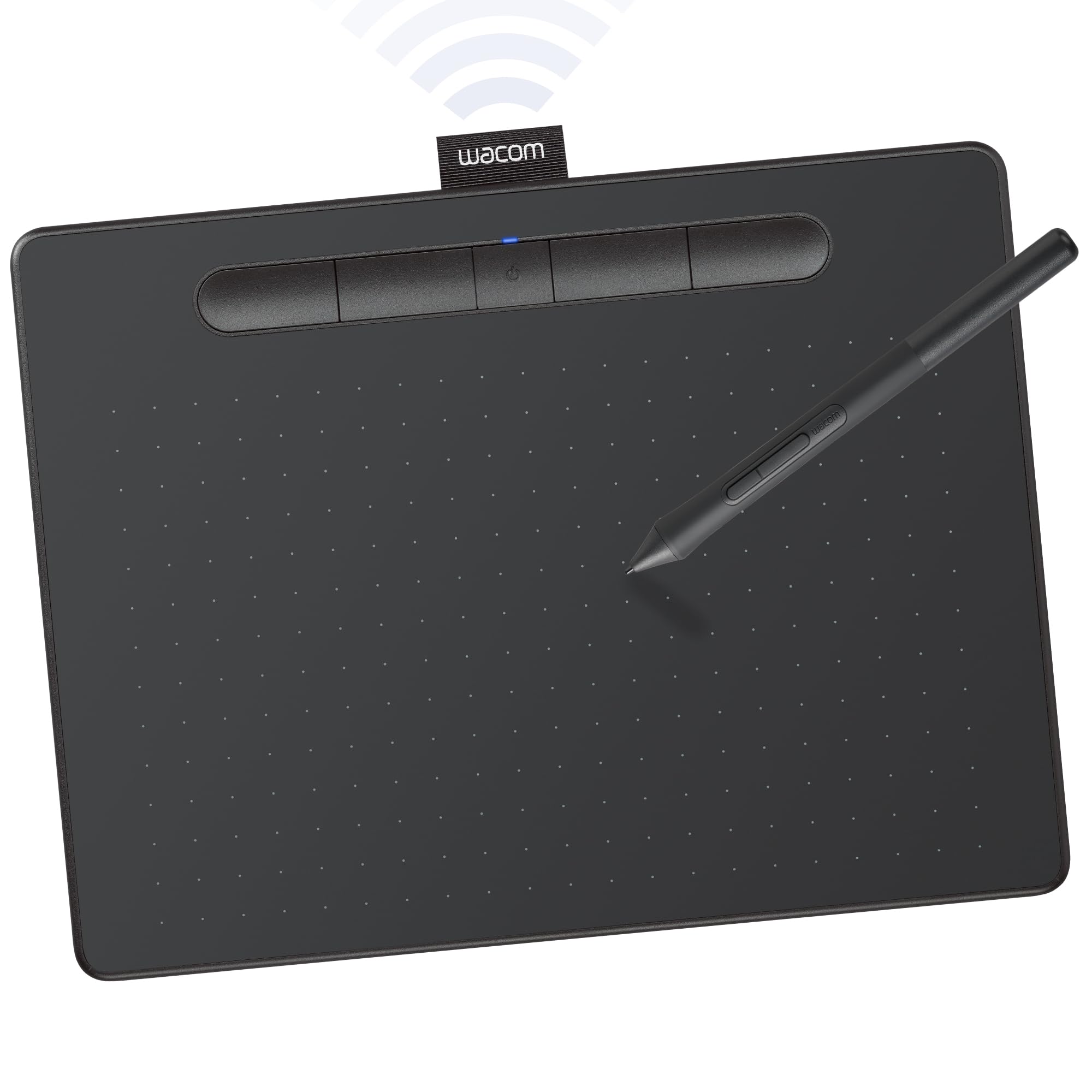
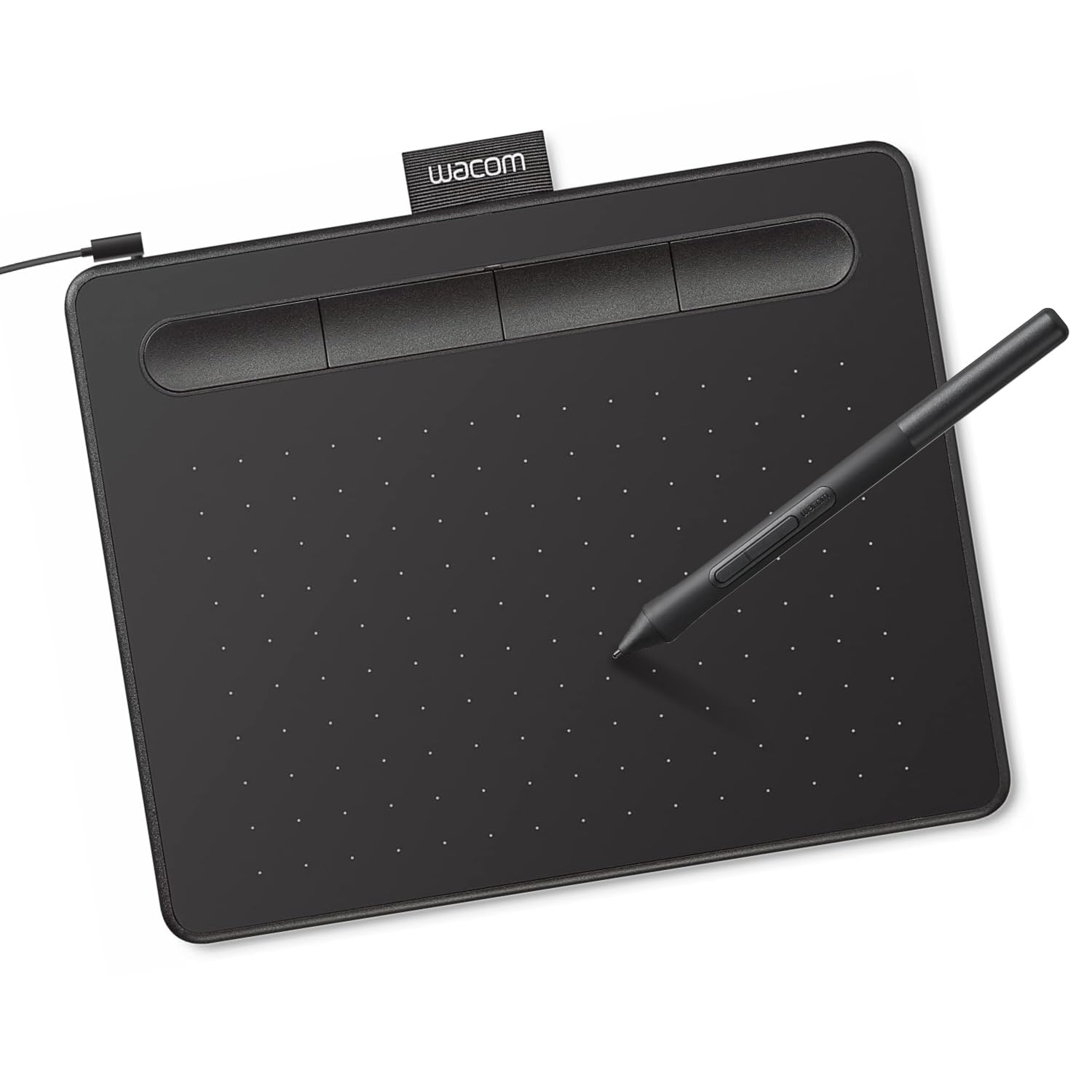
Wacom Intuos Small

93 /100
Studio Score High Confidence

Key details

Pen & Tilt
4096 levels, no tilt
Active Area
6 x 3.7 in
Screen Type
Pen tablet, no screen
Connectivity
Wired USB-A
Check Price on Amazon

The Wacom Intuos Small tracks pen input smoothly across its active surface, and the battery-free EMR pen responds to pressure without needing a charge. The pen is light and balanced, with a grip that stays comfortable through long marking sessions. The same tablet works across Windows, macOS, Android, and Chromebook machines, so it can move between a home PC and a school laptop.

Drawing, photo editing, and document markup stay fluid: the pen cursor follows the nib with no visible lag, and light and heavy strokes translate into clear line variation in beginner illustrations, annotations, and handwritten notes. For design work, quick masking and brush strokes come through without the jumpiness that cheap mice introduce. The EMR mechanism uses a magnetic resonance field between pen and tablet, so the stylus never pairs, charges, or needs a replacement battery. That makes the tablet a dependable digital pen for someone moving between a whiteboard app and a PDF.

This is the right match for a student, teacher, or budget buyer who wants a dedicated computer-connected tablet without a steep learning curve. Accept the boundaries: the active area is small, there is no tilt, and the bundled software is trial access rather than full licenses. Those limits matter especially to professionals or anyone planning long-form illustration; for a first tablet, remote tutoring, or note-taking, they are reasonable compromises. The pen needs no customization to feel usable, and the handful of settings worth adjusting are clearly labeled in the driver panel.

Within this comparison, the Intuos Small is not the feature leader. The value comes from a pen experience that stays predictable while you learn, and from a driver control panel that allows pressure-curve and mapping adjustments without fighting the interface. At a budget-friendly price, the money goes into the EMR digitizer and the pen rather than a long list of bundled apps. For a cautious buyer, that consistency is worth more than a longer spec sheet.

A beginner may take a session or two to get used to looking at the monitor while drawing, but that split attention is shared by every pen tablet in this class. Remote teaching is another natural fit: the tablet slips into a bag, and pen input makes math notation and diagram markup on slides easier than a mouse.

💡 Download the Wacom driver before first use and keep a USB-A adapter nearby if your laptop only has USB-C ports.

Pros

  • Smooth pen tracking for drawing and note-taking, backed by a battery-free stylus.
  • Short learning curve for first-time digital artists.
  • Responsive enough for design, photo editing, and document markup.
  • Budget-friendly price for a dedicated pen tablet with a major brand name.

Cons

  • Wired-only connection ties the tablet to the USB cable, so desk use only.
  • 4096 pressure levels trail the 8192 and 16384 counts on newer budget rivals.
Our verdict

For a first pen tablet, this is the entry point that keeps the focus on learning pen control rather than a long spec list.

Check Latest Price
2

Best Value Large-Surface Pen Tablet

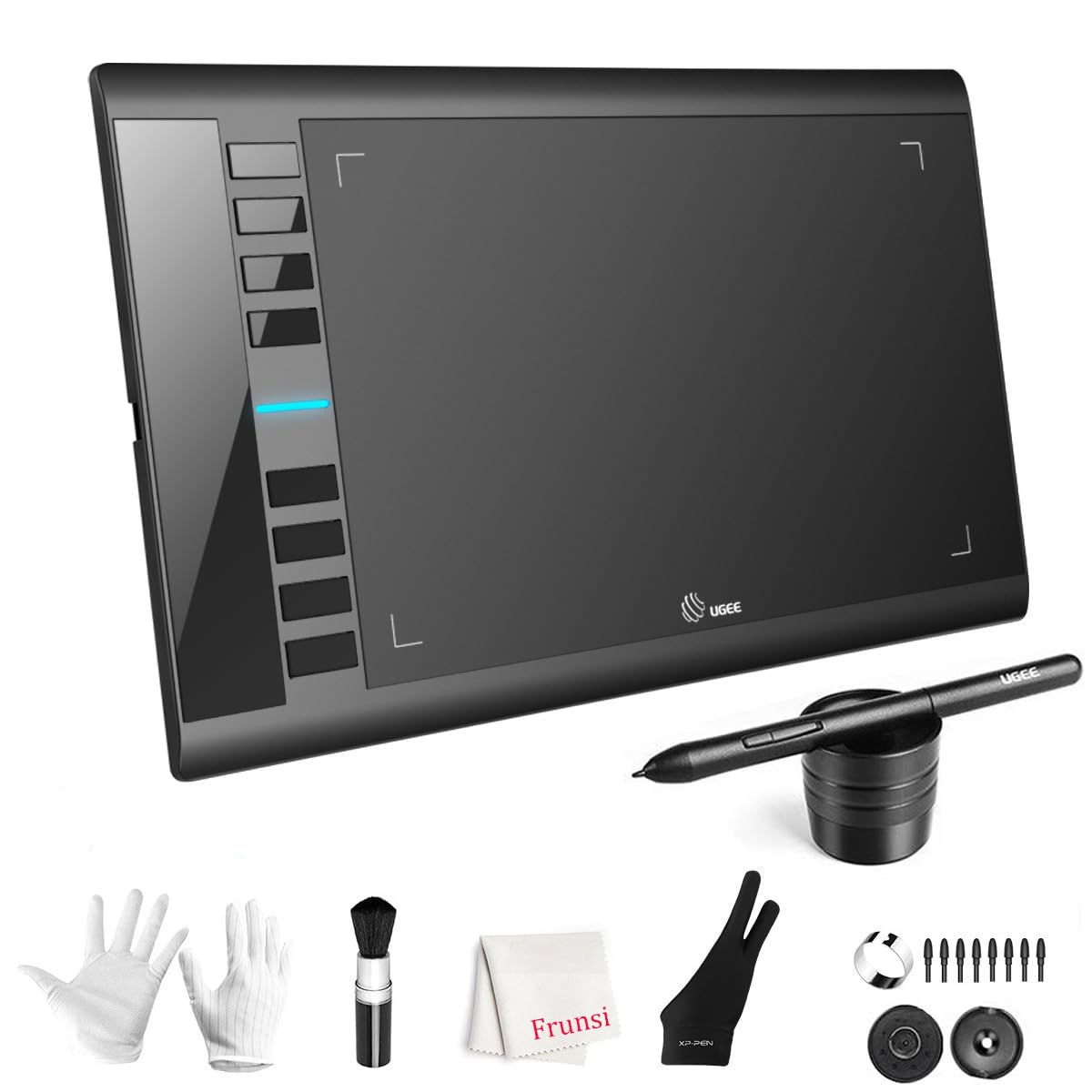
XP-Pen Deco 01 V3

91 /100
Studio Score High Confidence

Key details

Pen & Tilt
16K levels, 60° tilt
Active Area
10 x 6.25 in
Screen Type
Pen tablet, no screen
Connectivity
USB-C / USB-A
Check Price on Amazon

The Deco 01 V3 is the value pick in this roundup: a 10 x 6.25-inch active area, 16K pressure, 60-degree tilt, and eight express keys at a price that undercuts comparable models. The extra surface is a clear step up in drawing room from the compact Wacom, and the pen specs match tablets that cost considerably more.

Build quality feels solid for a budget tablet, and the battery-free stylus tracks smoothly without needing to be charged. The eight programmable keys sit well for shortcut-heavy work, and the USB-C connection works after a simple driver install. Because the stylus needs no charging, there is no spare cable to track down before a drawing session.

This is the right fit for hobbyist artists and design students who want a large drawing surface without moving to a pen display or paying Wacom prices. Budget-conscious beginners will find the 16K pressure and tilt forgiving to learn on, while designers who rely on shortcut keys have eight buttons to assign. Buyers who need maximum long-term predictability should weigh that express keys can be temperamental on some units and long-term durability is less established; users who want a built-in screen should look at a pen display instead. It avoids the cramped feel of entry-level tablets.

💡 Remap the eight express keys in the driver before starting a shortcut-heavy project.

Pros

  • Large 10 x 6.25-inch canvas gives beginners room to work without the jump to a pen display.
  • 16K pressure and 60-degree tilt bring modern pen specs to a budget tablet.
  • Eight programmable keys put shortcuts within reach for design and illustration apps.

Cons

  • Certain drawing apps, including SAI and Krita, may require per-app driver tweaks before pressure works.
  • Driver updates can require reinstalling the tablet driver to restore tilt and pressure.
Our verdict

For hobbyists and design students who want the largest budget canvas and modern pen specs, this is the value pick — as long as you accept occasional driver maintenance.

Check Latest Price
3

Best Budget Pen Display for Artists

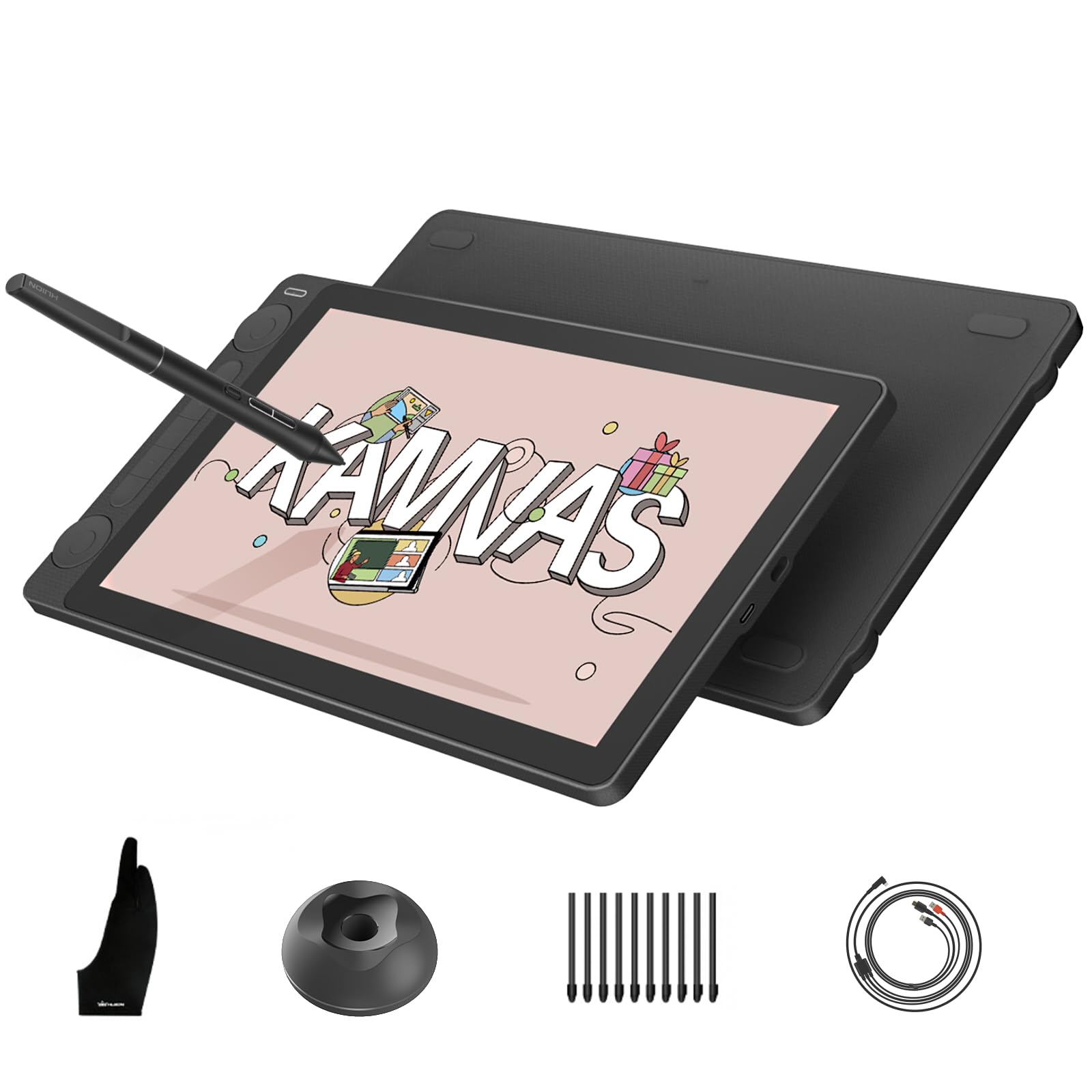
Huion Kamvas 13 Gen 3

90 /100
Studio Score High Confidence

Key details

Pen & Tilt
16K levels, tilt
Active Area
13.3 in screen
Screen Type
Pen display
Connectivity
Check Price on Amazon

The Huion Kamvas 13 Gen 3 is the direct-screen step up for artists ready to leave a pad-and-monitor setup behind. It pairs 16,384 pressure levels with a fully laminated 13.3-inch FHD panel, and the dual dials keep brush size and canvas controls close at hand. That combination gives it the strongest feature set among mid-range pen displays here.

Drawing on the display feels closer to paper than a standard glass tablet. The textured screen gives the nib a slight drag, and full lamination keeps the cursor close to the pen tip instead of floating under a layer of glass. Color output is a real draw too: factory calibration targets 99% sRGB with a Delta E under 1.5, which removes a lot of guesswork from skin tones and brand colors.

This is aimed at illustrators and animators moving from a pen tablet to a screen-based workflow, and the 13.3-inch size is portable enough to slide into a bag alongside a laptop. Set aside time for the first-connection ritual: some iMac configurations and software packages need extra setup before the display behaves as expected. If your end goal is a 20-plus-inch studio canvas, this is not that display; it is a focused, travel-friendly screen for drawing sessions.

Pros

  • The paper-textured glass gives the stylus a natural drag that feels close to pen on paper.
  • The full-laminated FHD display is crisp and bright, with minimal parallax between nib and cursor.
  • Factory calibration targets 99% sRGB with a Delta E under 1.5, so color output stays consistent for illustration work.

Cons

  • Side keys can be grazed by the palm during long sketching sessions, firing a shortcut mid-stroke.
  • Pen-to-cursor alignment can drift, so you may need to run the built-in calibration utility before long drawing sessions.
Our verdict

The 13.3-inch screen with 16K pressure and calibrated color suits illustrators who want a portable direct-drawing tool with a competitive feature set.

Check Latest Price
4

Best Large Professional Pen Display

XP-Pen Artist 22R Pro

93 /100
Studio Score High Confidence

Key details

Pen & Tilt
8192 levels, tilt
Active Area
21.5 in screen
Screen Type
Pen display
Connectivity
HDMI + USB
Check Price on Amazon

The 22R Pro's 21.5-inch laminated FHD display is the largest surface in this roundup, and the 20 shortcut keys plus two red dials keep brush, layer, and zoom commands within reach during long sessions. The dual red dials add quick-access zoom and brush-size control, so a user can keep fewer hands on the keyboard. Where smaller pen displays balance modern pen tech, the 22R Pro focuses on canvas and control density.

The panel covers 120% sRGB and 90% Adobe RGB, which makes it a practical second monitor for photographers and video editors as well as a drawing surface. The laminated screen stays crisp when viewed from an angle, and the 8192 pressure levels track smoothly across normal drawing strokes. With a 21.5-inch canvas, there is room to keep color palettes and reference images open beside the artwork.

This is built for a fixed studio: the unit is heavy and strictly wired, so it suits an artist who does not pack up between sessions. It is not for buyers expecting a trouble-free unboxing; a delivered unit can have pen or connection issues that require driver attention. For illustrators and animators who want a large canvas and dense controls, that tradeoff is manageable.

💡 Map one red dial to zoom and enable brush stabilizers for fine strokes.

Pros

  • Dense physical controls: 20 shortcut keys and dual red dials reduce keyboard dependence.
  • Large 21.5-inch laminated display with wide color gamut doubles as a crisp second monitor.
  • Professional canvas size and shortcut density at a price well below equivalent Wacom displays.
  • After a driver install, the display behaves as an immediate plug-and-play second screen.

Cons

  • Very fine linework may feel stiff; the pen needs a firmer press before it registers.
  • Under sustained daily use, long-term lifespan can vary between units.
Our verdict

For an illustrator who spends full days at one desk, the 22R Pro delivers pro-scale canvas and control density for less than the usual display pricing.

Check Latest Price
5

Best Ultra-Budget Starter

Huion Inspiroy H640P

89 /100
Studio Score Strong Evidence

Key details

Pen & Tilt
8192 levels, no tilt
Active Area
6 x 4 in
Screen Type
Pen tablet, no screen
Connectivity
USB
Check Price on Amazon

The H640P is the value-focused alternative to the top pick, packing 8192 pressure levels and six programmable keys into a slim 6x4-inch body at an entry-level price. That combination puts modern pen specs within reach of someone buying their first tablet rather than upgrading a pro setup.

After a normal driver install, the battery-free pen tracks cleanly in Windows and macOS drawing apps, and the pressure curve responds at the light end without the setup fuss of larger alternatives. Android support is a convenient extra, though the desktop experience is where the tablet feels settled.

This is for budget-first beginners, students, online teachers, and teens who want a low-cost way to draw, annotate, or take notes on a computer. The slim body slips into a bag, and the six programmable keys cover undo, brush size, and zoom without reaching for a keyboard.

💡 Keep the Huion driver updated when switching between Windows and Android to preserve pressure sensitivity.

Pros

  • Works right after the driver install on Windows and macOS, so new users can start drawing without digging through settings.
  • Brings 8192 pressure and six express keys to an entry-level price point.
  • Simple enough for first-time digital artists, with a forgiving learning curve.

Cons

  • The 6x4-inch active area can feel cramped for larger hands or broad arm strokes.
  • Linux, GIMP, and Blender setups may need more driver troubleshooting than the broad OS support claim suggests.
Our verdict

On a tight budget, this Huion is the quickest way to get a responsive pen experience without paying the premium for a bigger name.

Check Latest Price
6

Wireless Note-Takers

Wacom Intuos Medium

90 /100
Studio Score High Confidence

Key details

Pen & Tilt
4096 levels, no tilt
Active Area
8.5 x 5.31 in
Screen Type
Pen tablet, no screen
Connectivity
Bluetooth + USB-A
Check Price on Amazon

The Intuos Medium gives Wacom loyalists a wireless path: an 8.5 x 5.31-inch active area, Bluetooth + USB connectivity, and a battery-free EMR pen in a mid-size frame that suits lecture notes and classroom annotation. The Bluetooth link can drop or lag, so keeping the USB cable nearby is the safer setup for live presentations. The absence of tilt support and a 4096 pressure spec place it behind newer budget tablets for painters, but annotators who value Wacom's pen feel and software ecosystem will not feel shortchanged.

Pros

  • Wireless freedom for teaching or note-taking, with USB fallback for critical sessions.
  • Battery-free EMR pen removes charging concerns and keeps the same pen feel across sessions.
  • Children, students, and new users pick it up quickly.

Cons

  • In graphics-heavy apps like Photoshop, pen input can miss strokes or lag during fast strokes.
  • Driver installation and the on-screen keyboard can turn setup into a longer session than expected.
Our verdict

The right fit for wireless note-taking and lecture capture when Wacom's pen feel matters more than spec-sheet parity.

Check Latest Price
7

Budget Large Surface

UGEE M708

89 /100
Studio Score Strong Evidence

Key details

Pen & Tilt
16K levels, 60° tilt
Active Area
10 x 6 in
Screen Type
Pen tablet, no screen
Connectivity
USB-C / USB-A
Check Price on Amazon

The UGEE M708 packs a 10x6-inch active area, 16K pressure, 60-degree tilt, and eight keys into an entry-level tablet. That much canvas per dollar makes it a tempting first pen tablet, and the ambidextrous eight-key layout suits left- and right-handed users equally. Setup is quick enough for a first drawing session, but the Chromebook support advertised on the box is not consistent across every setup. Unit-to-unit variance can affect connection or pen behavior, so long-term consistency is not uniform. It remains a secondary option behind the budget large-area leader for anyone who needs a more predictable experience from day one.

Pros

  • 10x6-inch active area with 16K pressure gives new artists room to grow.
  • Eight express keys sit in an ambidextrous layout for left- or right-handed use.
  • First-time setup is quick enough for a same-day drawing session.

Cons

  • Chromebook support is not consistent across every setup.
  • Occasional pen lag can interrupt fast stroke work.
Our verdict

This fits budget artists and beginners who want a large canvas and are not dependent on Chromebook support; on Windows or macOS, the size-to-price ratio is strong.

Check Latest Price

How to Choose

Active Area Size

Active area dictates how much physical pen travel corresponds to movement across your monitor. A compact 6 x 4-inch pad makes you work from the wrist and zoom frequently; a 10 x 6-inch surface lets you draw from the elbow and keep a steadier line.

If you draw at a desk with room to move, prioritize a larger active area. For a laptop bag or a shared teaching desk, a compact tablet is easier to carry, even though it will demand more pinch-zoom and brush resizing.

Pressure and Tilt

Pressure sensitivity controls how a stroke thickens or thins with pen force. 4096 levels is enough for most shading, and 8192 or 16384 mainly smooths the lightest end of the pressure curve, so don't pay extra purely for a bigger number.

Tilt support matters when the brush should respond to pen angle, like pencil shading or calligraphy. It is a real workflow improvement for illustrators, but photo editors masking around a subject rarely need it.

Screen or No Screen

A screenless pen tablet is cheaper, lighter, and easier to set up because it only maps hand movement to the monitor. A pen display puts the image under the pen tip, which feels natural for illustration but adds cables, power, calibration, and desk space.

Choose a screenless tablet if you mostly annotate, edit photos, or take notes. Choose a pen display if you draw directly on the canvas all day and want to avoid the hand-eye split.

Driver Stability

Every tablet depends on a driver to translate pen position, pressure, and tilt into the OS. Driver updates, OS upgrades, and app-specific settings are the main sources of input lag, missed strokes, and connection drops, so the driver is part of the product experience.

Check the brand's support page for your operating system and primary software before you buy. A tablet with strong specs but poor driver support for your setup is worse than a lower-spec model that works predictably.

Express Keys

Express keys and dials reduce keyboard reach, but their value depends on placement and programmability. Keys on the left side suit left-handers only if the driver lets you remap actions, and dials work best for zoom, brush size, or scrolling.

Count how many shortcuts you actually use. Casual artists can live with two to four keys; shortcut-heavy designers will benefit from eight or more plus a wheel or dial.

Connectivity

Wired connections offer the most stable pen data, while Bluetooth adds freedom but can introduce lag or dropouts. Pen displays need a video cable plus USB data and power, so cable management is part of setup.

If wireless is a bonus, choose a model with both Bluetooth and wired USB so you have a fallback. On a fixed desk, a simple USB or USB-C connection is usually the most reliable option.

Frequently Asked Questions