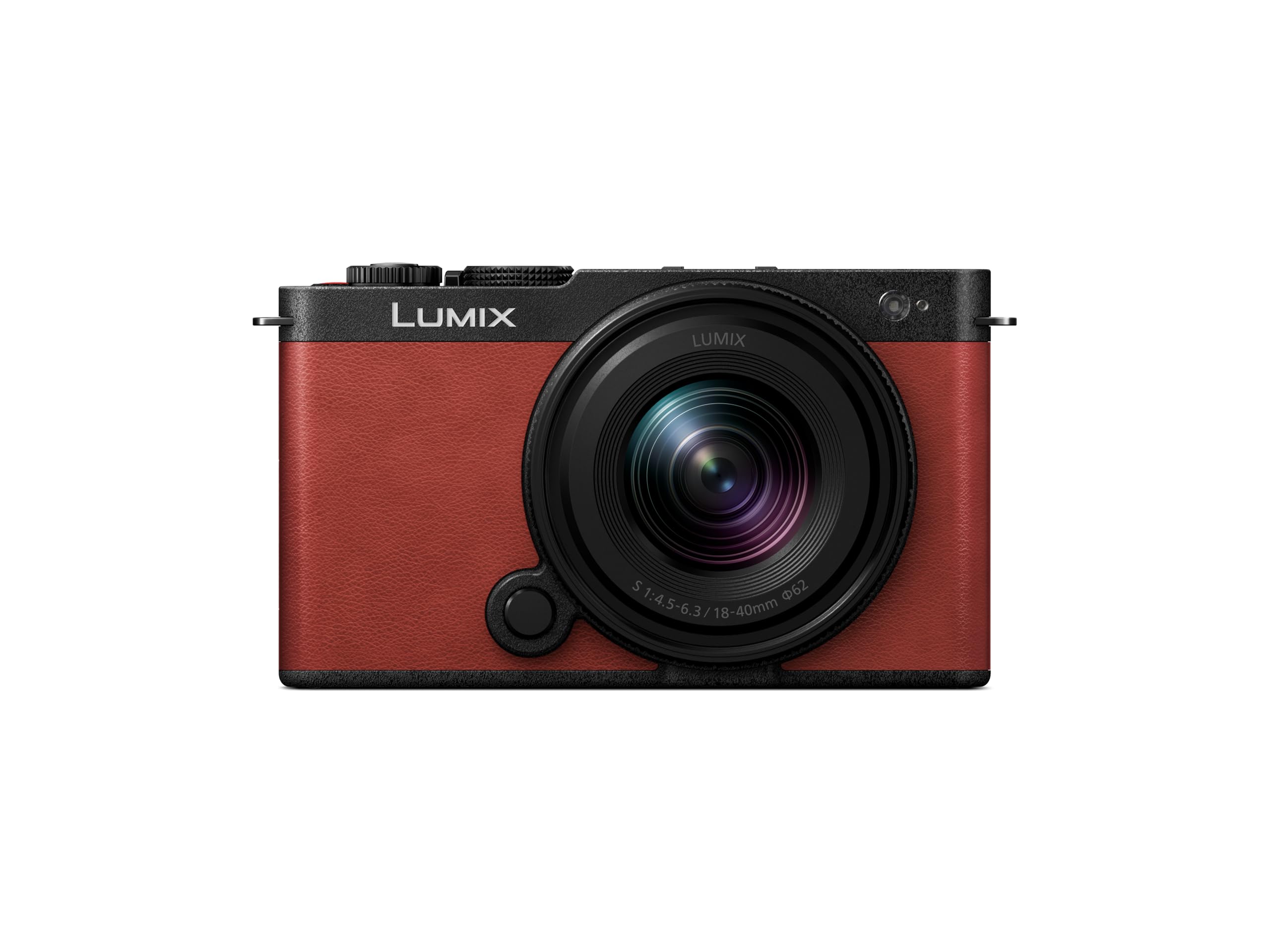
7 Best Full-Frame Mirrorless Cameras of 2026: Picks That Earn Their Place in Your Bag

Find the full-frame mirrorless camera that matches your shooting style and budget, with honest trade-offs and practical buying guidance.

Full-frame mirrorless cameras are easy to shop by spec sheet. Megapixels, burst rates, and 4K capture all look impressive in a listing, but the cameras people actually carry and enjoy tend to win for less obvious reasons: reliable autofocus, comfortable handling, and batteries that last through a day of shooting.

That gap between the specification and the everyday experience is where most buyers get stuck. A 33MP sensor with 10-bit 4K60 sounds like the obvious choice, but it might come with a 4K crop, heat warnings on long takes, or a frame rate limitation that matters more than resolution. The right full-frame camera is rarely the most stacked one. It is the one that handles your specific mix of stills, video, travel, and low-light work without getting in the way.

There is also a practical budget twist that shows up in many real-world setups: some popular bodies ship without a dedicated battery charger, a stabilized kit lens can rescue a body without in-body stabilization, and continuous autofocus is often the feature that separates a daily companion from a shelf-sitter. This guide sorts those trade-offs around the way you actually shoot.

1

Best Overall

Sony a7 III

93 /100
Studio Score High Confidence

Key details

Burst
10 fps
Video
4K30, 8-bit
Battery
~710 shots
Autofocus
693-point phase-detect
Check Price on Amazon

The a7 III’s central claim is the 693-point phase-detect AF system, 10fps burst, and low-light output that makes a move to full-frame worth the cost. The AF array works with 425 contrast-detection points, so focus stays engaged while the shutter runs at speed. The phase-detect coverage spreads across a large part of the sensing area, which keeps off-center subjects in play when you shoot a burst. Stills-first shooters stepping up from APS-C get a focus system that handles portraits, events, and moving people without constant hunting.

The 24.2MP BSI sensor keeps image quality usable in dim conditions, and the 5-axis in-body stabilization adds a shutter-speed margin for hand-held work. The back-side-illuminated design is one reason high-ISO files stay serviceable instead of turning into a noisy mess. When light drops, the body holds onto detail rather than forcing a switch to a tripod. This is the practical reason full-frame exists, and the a7 III delivers it without requiring the latest sensor technology.

Eye AF tracks a subject’s eye through recomposition and holds on when the subject turns, so wide-aperture portraits stay focused without micro-managing the focus point. The AF system covers subjects near the edge of the frame, so composition does not have to be dead-center. For stills work, this is the feature that makes the camera feel like a modern tool rather than a spec sheet.

First-time full-frame buyers who shoot stills first are the right audience. The 4K/30p 8-bit video works for casual clips, but anyone who needs 4K/60p or 10-bit color should move to the newer sibling. The box omits a dedicated charger, so USB-C charging becomes the default daily path; a separate charging stand is an add-on purchase.

The price undercuts the newer 33MP model while keeping the core stills experience intact. You give up resolution and a modern menu layout, but the money saved covers lenses or a tripod. The Sony E mount also gives access to a deep native lens catalog plus third-party glass, which extends the value of the body. For a stills-first buyer, that trade beats chasing the latest sensor specs.

💡 Keep the USB-C cable in the bag and top up from a power bank between shoots.

Pros

  • Overall build and image quality suit a broad range of stills-first shooting styles.
  • Image quality holds up in dim conditions, and the 5-axis stabilizer extends hand-held shutter speeds.
  • Autofocus is fast, and eye AF holds onto eyes through recomposition for portrait work.
  • Full-frame capability at a price that undercuts newer models without cutting core stills performance.

Cons

  • Charging happens through the USB-C port because no battery charger is included.
  • Individual units can exhibit freezes, black-screen lockups, or card/lens recognition hiccups.
Our verdict

For stills-first shooters, the a7 III is the full-frame value benchmark: low-light output, eye AF, and 10fps burst without the newer model’s price tag.

Check Latest Price
2

Premium Hybrid Upgrade

Sony a7 IV

92 /100
Studio Score High Confidence

Key details

Burst
10 fps
Video
4K60 10-bit
Battery
~580 shots
Autofocus
759-point phase-detect
Check Price on Amazon

The a7 IV’s 33MP BSI sensor, 759-point hybrid AF, and 10-bit 4K60 set it apart from the older a7 III, which remains the value benchmark. The improved menu system clears up the series’ main usability complaint, and the build quality matches the premium price without adding bulk. Existing Sony shooters will recognize the button layout while gaining a current-generation sensor.

Handheld stills benefit from 5-axis sensor-shift stabilization, and Real-time Eye AF tracks people and animals accurately. The 33MP files hold up to cropping, and the 10 fps burst covers moderate action without pushing you toward a sports-specific body. The dual-purpose design is what separates it from a stills-only camera: you get high-res photos and a color-rich 10-bit video path in one body.

The video package is genuinely strong, but it is not a one-size-fits-all recorder. 4K60 records with a crop that narrows wide-angle coverage, and sustained 4K sessions can trigger heat warnings in warm conditions. These limits matter most to event shooters who need continuous rolling coverage; for controlled shoots, they are manageable.

Existing Sony shooters upgrading from older a7 bodies will get the most value here, especially hybrid pros handling both stills and client video. Budget-first shoppers and anyone who needs uncropped 4K60 or unlimited recording should weigh those limits before buying.

💡 For 4K60, use a wider prime than you normally would to offset the crop.

Pros

  • 33MP BSI full-frame sensor delivers high-resolution stills with room to crop.
  • 10-bit 4K60 and 7K oversampled 4K30 cover serious video workflows without an external recorder.
  • 759-point AF with Real-time Eye AF tracks subjects accurately; the menu system is easier to learn.
  • Premium price is easier to accept for serious shooters who regularly use both stills and video.

Cons

  • In 4K60, the sensor crops in, so wide-angle lenses lose coverage.
  • Long 4K sessions can trigger heat warnings, especially in warm environments.
  • The body can occasionally lock up and require a battery pull to get back to work.
Our verdict

The a7 IV is the upgrade from the a7 III when you need 33MP resolution, high-accuracy AF, and 10-bit video without leaving the Sony system.

Check Latest Price
3

Best Nikon All-Rounder

Nikon Z6 II

93 /100
Studio Score High Confidence

Key details

Burst
14 fps
Video
4K60 full-width
Battery
~410 shots
Autofocus
273-point phase-detect
Check Price on Amazon

The Z6 II pairs dual UHS-II SD slots with a 14fps mechanical burst and full-pixel-readout 4K60, giving Nikon shooters a balanced path into Z-mount full-frame without stepping all the way up to newer EXPEED 7 bodies.

The 24.5MP BSI sensor holds detail in low light, and the 5-axis sensor-shift stabilization keeps handheld shots sharp at slower shutter speeds. The dual slots and comfortable grip make it a practical daily body for Nikon users migrating from DSLRs.

Stills-first enthusiasts who want dual slots and IBIS without a flagship price will find the Z6 II a comfortable fit. Hybrid shooters who need solid 4K60 are covered; AF tracking can lag class leaders in demanding action, so buyers whose main subject is fast, erratic movement should weigh newer Z bodies.

Pros

  • Solid build and all-around quality hold up across varied shooting conditions.
  • 24.5MP stills stay sharp in low light with IBIS covering slower handheld shutter speeds.
  • 14fps burst and full-pixel-readout 4K60 handle action and hybrid work in one body.

Cons

  • Continuous AF can lag class leaders in demanding action, so fast sports shooters will need to adjust focus strategy.
Our verdict

For stills-first Nikon shooters, the Z6 II delivers dual-slot security, IBIS, and 4K60 in a body that stays comfortably below flagship pricing.

Check Latest Price
4

Lightweight Modern Hybrid

Canon EOS R8

91 /100
Studio Score High Confidence

Key details

Burst
40 fps electronic
Video
4K60 uncropped
Battery
~290 shots
Autofocus
Dual Pixel AF II
Check Price on Amazon

Canon's R8 puts uncropped 4K60, oversampled from 6K, into a 402g full-frame body, alongside Dual Pixel AF II subject detection and a 40fps electronic shutter. It sits between the entry-level RF option and the heavier high-end bodies, giving creators a current-generation feature set without the weight penalty. The 24.2MP sensor splits the difference between stills resolution and video processing demands.

Subject tracking holds people, animals, and vehicles in normal shooting, and the electronic shutter makes high-speed bursts practical when lighting allows. The body's size and weight turn a full-frame kit into something you can hang from a strap all day without thinking about it. Modern subject detection is the biggest practical upgrade, keeping focus locked in situations where older RF bodies would hunt.

This is the camera for content creators and travelers who want full-frame stills and video in the smallest RF package, and who can accept the boundaries: battery life is short, stabilization depends on the lens rather than a built-in sensor-shift system, and long uncut 4K sessions can overheat. Those limits pull it out of the running for all-day event coverage, but for a compact everyday carry, it delivers more current-gen features than the entry-level RF option.

Pros

  • Full-frame image quality with clean color and detail across normal ISO ranges.
  • Uncropped 4K60 oversampled from 6K for current-gen video quality.
  • Dual Pixel AF II tracks people, animals, and vehicles with minimal menu effort.
  • Light 402g body that makes a full-frame kit easy to carry.

Cons

  • Extended 4K recording can trigger shutdown after roughly 90 minutes of continuous shooting.
  • No in-body stabilization; steady handheld video depends on the RF lens.
  • Battery life is short for a full day of shooting.
Our verdict

The R8 is the full-frame body to choose when carrying weight matters more than the ergonomic comforts of a larger camera.

Check Latest Price
5

Video-First Budget Hybrid

Panasonic S5

89 /100
Studio Score Strong Evidence

Key details

Burst
7 fps
Video
4K60 10-bit
Battery
~470 shots
Autofocus
225-area DFD
Check Price on Amazon

The S5 pairs 5-axis Dual I.S. 2 with dual SD slots and lands as a handled, EVF-equipped body rather than the app-first compact in the same L-mount lineup.

The body has a dense, professional feel, and 4K output carries a clean color signature that grades naturally. Handling is geared toward uninterrupted work, which makes the S5 feel like a daily tool for narrative or event video rather than a feature-list exercise.

This suits Panasonic and Leica shooters who already have L-mount glass or want a full-frame body without changing systems. The contrast-detect AF can be caught out by fast lateral movement, so tracking unpredictable subjects may call for manual focus or a phase-detect rival. For video-first work, that tradeoff is easier to accept than the extra cost of the top hybrid in this set.

Pros

  • Solid build quality and professional feel.
  • Great 4K video quality and color.
  • Strong value and hybrid feature set for full-frame buyers.

Cons

  • The bundled charger can be slow to replenish the battery.
  • Battery endurance varies with recording settings, so long video sessions call for spares.
Our verdict

The S5 is the full-frame pick when the shooting list is weighted toward video and the budget is better spent on lenses than on a faster stills body.

Check Latest Price
7

Budget RF Entry

Canon EOS RP

90 /100
Studio Score High Confidence

Key details

Burst
5 fps
Video
4K30 cropped
Battery
~250 shots
Autofocus
Dual Pixel CMOS AF
Check Price on Amazon

Canon's EOS RP kit is the most affordable route into the RF full-frame system, and the 24-105mm lens covers a useful travel range with vibrant, sharp stills and accurate color. The body stays compact for a full-frame camera, which makes it a light everyday kit. What keeps it in the also-consider slot rather than a top pick is the older processor: burst stays at 5 fps, 4K video is cropped, and the R8 in this set leaves it behind for action and video work.

Pros

  • Most affordable Canon RF full-frame kit; the 24-105mm lens covers travel and everyday scenes.
  • Vibrant, sharp stills with accurate color from the 26.2MP full-frame sensor.
  • Compact body keeps the full-frame kit light enough for daily travel.

Cons

  • AF can hesitate when a subject moves unpredictably, which matters more for action than everyday travel.
  • A full day of shooting may strain the battery, so carrying a spare is the practical fix.
Our verdict

For a shopper whose priority is a low-cost full-frame system for travel and everyday stills, the RP kit makes sense; if action or high-end video is on the list, the newer RF body is the better spend.

Check Latest Price
8

Social Media Creators

Panasonic S9

81 /100
Studio Score Strong Evidence

Key details

Burst
—
Video
6K Open Gate
Battery
~470 shots
Autofocus
225-area DFD
Check Price on Amazon

The S9 keeps full-frame output in a compact body while still delivering sharp stills and solid dynamic range in normal light, and its Open Gate recording allows vertical and horizontal framing from a single 6K capture. The LUMIX Lab app and LUT profiles are built for editing on a phone, so the camera stays close to your feed instead of a desktop workflow.

The boundaries show up quickly: there is no viewfinder, so bright-light framing relies on the rear screen, and the phone connection can drop during transfers. Those constraints matter less for a travel vlogger who treats the camera as a compact full-frame share tool, but anyone expecting a conventional hybrid with traditional shooting controls should look to the video-first L-mount hybrid in this set.

Pros

  • Compact body keeps full-frame quality in a camera that handles like a point-and-shoot.
  • Normal-light stills come out sharp and hold good dynamic range.

Cons

  • Low-light scenes can show visible noise that needs cleanup.
  • Autofocus can hunt when tracking fast subjects.
Our verdict

The S9 is the compact full-frame option for phone-first travel vloggers who plan to stay inside the LUMIX Lab ecosystem.

Check Latest Price

How to Choose

Autofocus

Autofocus is the feature that determines whether a camera feels responsive or frustrating in daily use. Phase-detect coverage, subject-detection algorithms, and eye AF all matter, but the real test is how consistently the camera locks onto a moving subject without hunting.

A camera with 693 phase-detect points or 299-point hybrid AF will handle portraits, travel, and most events easily. The gap shows up in fast action: continuous tracking performance varies significantly between brands, and Panasonic's contrast-detect DFD system is generally less reliable for erratic subjects than Sony's or Canon's phase-detect systems.

Video Capability

4K60 on a spec sheet does not tell you whether the camera crops the sensor, records 10-bit color, or overheats after twenty minutes. These variables matter more than the frame rate itself for anyone who shoots interviews, events, or long documentary-style sessions.

A camera like the Canon EOS R8 offers uncropped 4K60 oversampled from 6K, but the smaller body can shut down after roughly ninety minutes of continuous 4K recording. The Sony a7 IV records 10-bit 4K60 but applies a crop, which changes your lens choices and composition. Check the crop and cooling behavior before relying on 4K60 as a primary tool.

Stabilization

In-body stabilization steadies shots with every lens you mount, while lens-based IS only works with the specific lens attached. A body without IBIS, such as the Canon EOS R8, feels fine on a stabilized kit lens but becomes much harder to handhold with unstabilized primes.

For hybrid shooters using adapted or vintage lenses, IBIS is the difference between usable handheld footage and footage that needs a gimbal. The Nikon Z5 II's 7.5-stop in-body stabilization and the Panasonic S5's Dual I.S. 2 both deliver strong handheld performance, while budget RF cameras rely entirely on the lens.

Battery and Charging

Battery life in full-frame mirrorless bodies ranges from roughly 250 shots on the Canon EOS RP to around 710 shots on the Sony a7 III. The smaller the body, the smaller the battery, which is why lightweight content-creation cameras like the R8 and the Sony a7 IV drain faster than their bulkier counterparts.

Several popular bodies, including the Sony a7 III, ship without a dedicated battery charger. USB charging works, but it is slower and ties up the camera when you need to keep shooting. Buy a spare battery and a charger before a full day of shooting if your chosen body does not include one.

Burst Rate

Burst rate determines whether you can capture the exact moment in sports, wildlife, or fast-moving events. The range in this category spans 4.5 fps on the Nikon Z5 to 40 fps electronic on the Canon EOS R8 and 30 fps electronic on the Nikon Z5 II.

Electronic shutter bursts reduce mechanical wear and offer extreme speed, but they can introduce rolling shutter on very fast subjects. Mechanical shutter bursts of 10–14 fps are sufficient for most action work and offer more predictable motion rendering.

Frequently Asked Questions