3 Best Film Camera for Beginners in 2026: Picks That Cut Film Costs

Find the film camera for beginners that matches your first rolls: single-use simplicity or a reusable half-frame that cuts film and processing costs.

Most beginner film cameras advertise easy operation and vibrant colors. The actual decision is less about the camera and more about what happens after you press the shutter: film, processing, and the cost of wasted frames. Dark or blurry exposures are common enough that they should shape which camera you start with.

The main choice for a first camera is single-use simplicity versus a reusable body. A disposable removes film loading and battery decisions, but every roll carries the full cost of the camera inside it. A reusable point-and-shoot adds a little setup while bringing per-shot costs down over a few rolls.

This guide sorts the options by that trade-off and by how flash and build quality behave in regular use, so you can choose the entry point that matches how many rolls you actually plan to shoot.

1

Best Overall

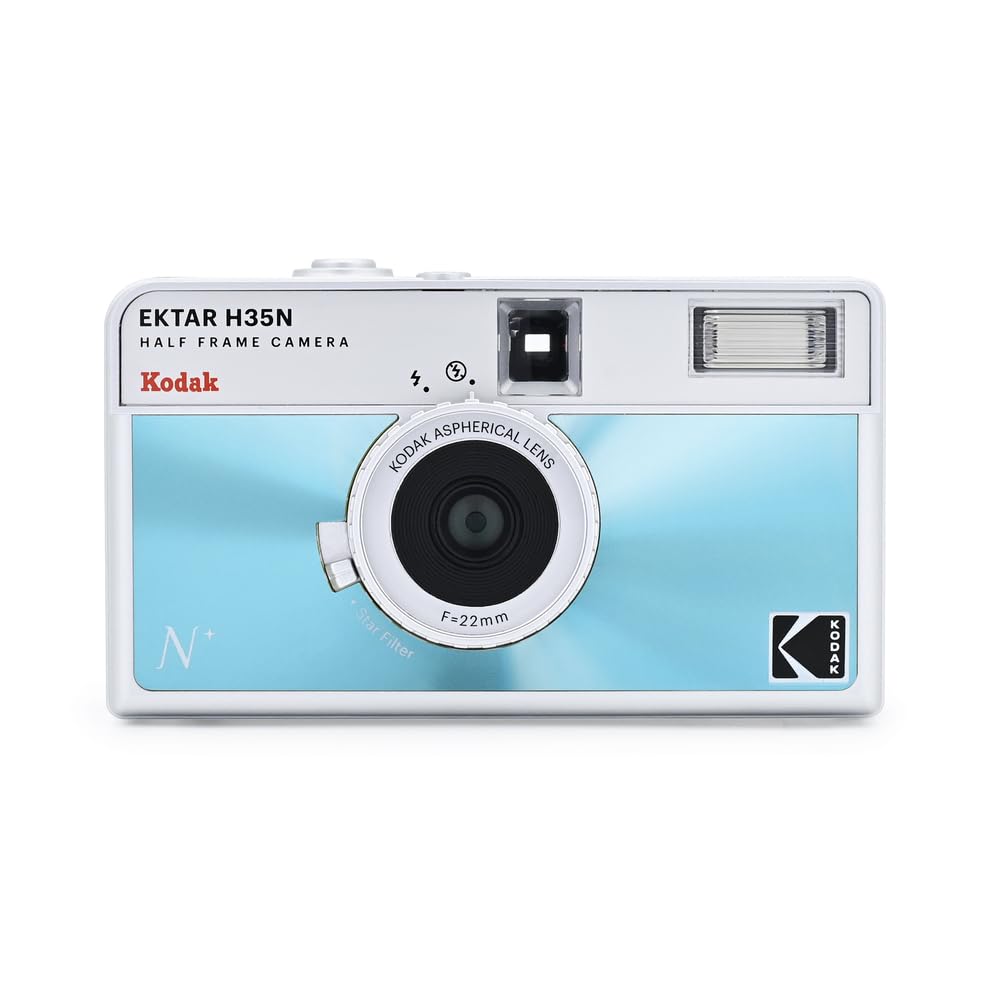
Kodak EKTAR H35N

87 /100
Studio Score Strong Evidence

Key details

Lens
Coated glass
Flash
Built-in
Format
Reusable half-frame
Film Speed
Film dependent
Check Price on Amazon

Up to 72 shots from a 36-exposure roll gives a beginner room to practice without treating every frame like a costly disposable photo. Focus-free operation removes the settings barrier, and the built-in flash assists with casual indoor snaps. A coated glass lens and a retro body deliver the feel of a real camera while keeping the learning curve aimed at composition and timing instead of exposure math. For someone new to film, that combination is the difference between a single expensive roll and a few weeks of steady practice.

The body is light and small enough to live in a jacket pocket all day, and the manual film advance is simple: wind until the lever stops, then press the shutter. That physical rhythm is part of the appeal, giving every shot a deliberate step that slows a new shooter down just enough. Bulb mode and the built-in star filter let a curious beginner try long exposures and light streaks without extra accessories. Because a single 36-exposure roll delivers twice as many frames, a short trip can produce enough images to make processing costs feel reasonable.

This is the reusable film camera for someone who plans to shoot several rolls rather than one special event. You supply 35mm film, a battery, and processing, but each roll yields double the frames, so the per-shot cost works in your favor as you learn. Plastic build and flash consistency can vary between units, which makes this a daylight-and-weekend camera more than a rugged daily carry or a go-to indoor event flash. A new film shooter who wants to practice composition and framing without burning through disposable budgets will find the H35N a natural fit; a one-time event user should still grab a single-use camera and skip the loading step.

๐Ÿ’ก Bring a small tripod for bulb mode; the built-in mount keeps long exposures steady.

Pros

  • Retro, real-camera appearance and compact body make it a fun camera to carry.
  • Focus-free operation removes exposure decisions, so a beginner can just wind and shoot.
  • Up to 72 exposures per 36-exposure roll lowers the cost of each experimental frame.
  • Built-in star filter and bulb mode add creative long-exposure options without extra gear.

Cons

  • Shutter response can be inconsistent, which adds uncertainty when timing candid shots.
  • Film advance can jam mid-roll, stopping a roll before the 72 frames are used.
Our verdict

The H35N makes film practice affordable by turning one roll into two, and it does so without loading a beginner down with manual controls. It is a sensible first reusable camera for someone who plans to keep shooting.

Check Latest Price
2

Best Disposable Starter

Fujifilm QuickSnap 2-Pack

94 /100
Studio Score High Confidence

Key details

Lens
Fixed focus
Flash
Built-in
Format
Single-use 35mm
Film Speed
ISO 400
Check Price on Amazon

Point-and-shoot simplicity is the whole product: compose the scene, press the shutter, and hand the camera to the lab when the roll is done. The two-pack gives a spare body for the next event, which removes the fear of wasting the only camera, and it makes handing one to a guest or a first-timer a low-stakes move.

This is the right entry point for a first-time film shooter who wants zero setup at a party, wedding favor table, or travel stop. It is a daylight-first camera: in low light, frames may come back dark or blurry, so the built-in flash should be treated as an assist, not a guarantee. The fixed-focus 32mm lens and ISO 400 film produce an unfussy snapshot look, and the 2-pack answers the question of whether film is a hobby or a one-off without requiring a manual.

๐Ÿ’ก Keep indoor subjects a few feet from the built-in flash and wait for the charge indicator before pressing the shutter.

Pros

  • No settings, batteries, or film loading means anyone can pick it up and shoot.
  • The two-pack covers two events or leaves a spare camera ready for guests.
  • A no-instructions camera that fits party favor tables and travel bags.

Cons

  • The per-roll cost is high, so a reusable camera becomes cheaper after a few rolls.
  • Flash output can vary between individual cameras, so the indicator light is a starting point rather than a promise.
Our verdict

The 2-pack works best as an occasional event camera for first-time film shooters who want the film look without a learning curve; leave the regular shooting habit to a reusable body.

Check Latest Price
3

Best Reusable Upgrade

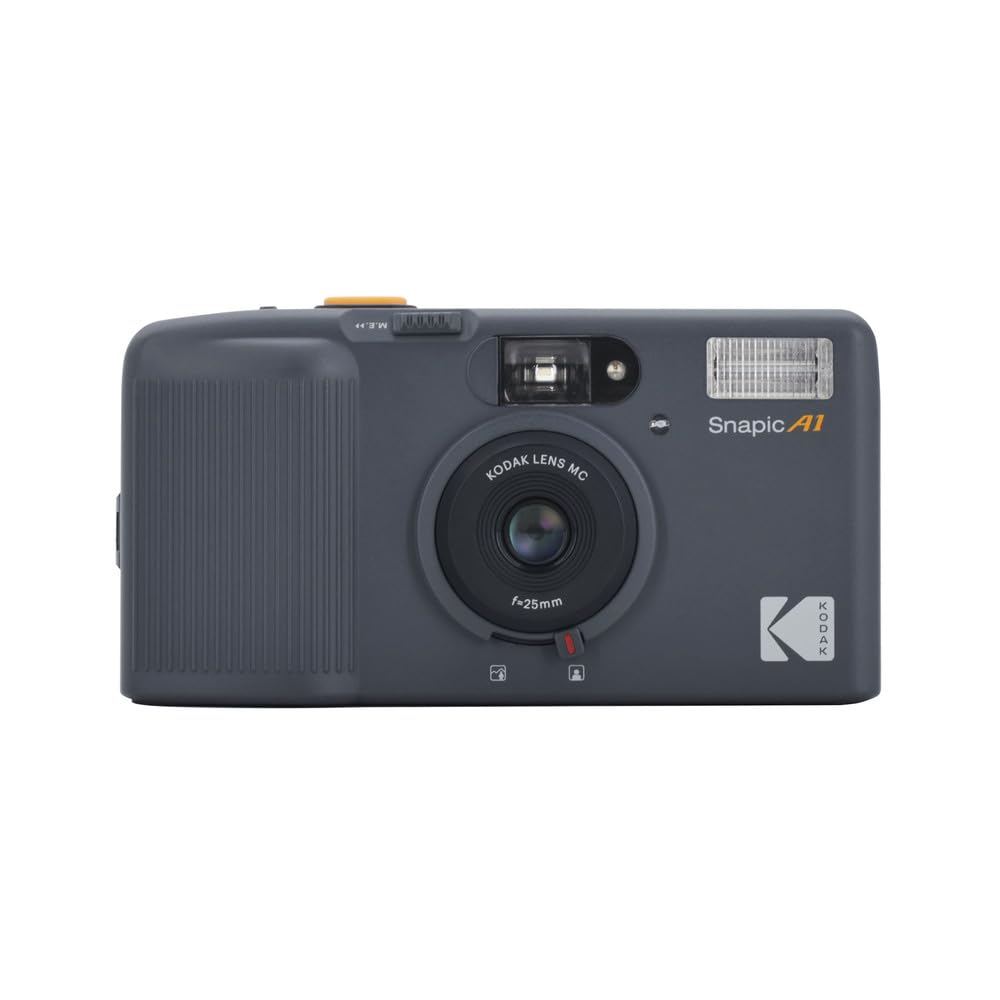
Kodak Snapic A1

84 /100
Studio Score Strong Evidence

Key details

Lens
3-element glass
Flash
Auto red-eye
Format
Reusable 35mm
Film Speed
Film dependent
Check Price on Amazon

With a 3-element glass lens and automatic film wind/rewind, the Snapic A1 is the upgrade path for a beginner who wants noticeably sharper snapshots without learning manual exposure. The two-zone focus keeps setup simple: choose near or far, press the shutter. Unlike the focus-free half-frame starter, this one rewards a careful eye with more detail per frame.

This fits a traveler or casual shooter who plans to shoot more than one test roll and wants a body compact enough to carry without a dedicated camera bag. The plastic shell and occasional mechanical quirks are the boundary: it is a step up in optics and automation, not a tank. Frame it as a more capable starter, not a field camera.

The multiple-exposure switch is the creative outlier here: it layers frames without a second body, something disposables don't offer. It's the kind of control that invites experimentation without demanding it.

Pros

  • 3-element glass lens produces visibly sharper photos than plastic-lens point-and-shoots.
  • Small, light body slips into a pocket and needs no elaborate setup.
  • Auto film wind and rewind plus saved flash settings keep a fresh roll moving without fumbling.

Cons

  • Separate film and processing costs add up before you see any images.
  • Per-shot cost sits above the half-frame starter, which budget-first buyers will feel.
Our verdict

If you plan to shoot more than a test roll, the Snapic A1's glass lens and automatic handling make it the reusable starter to graduate to.

Check Latest Price

How to Choose

Reusable vs. Single-Use

A disposable bundles film into the body, so the upfront price looks small. Once the roll is shot, the entire camera is gone, and every future roll requires a new unit. A reusable body costs more once, but it changes the math after a few rolls because you only buy film and processing.

Shoot one roll a year and a disposable may be the cheaper entry. Shoot four rolls and a reusable body starts paying for itself.

Half-Frame vs. Full-Frame

Half-frame cameras expose two small frames on a single 35mm frame, which is why a 36-exposure roll can deliver up to 72 shots. That halves the cost per shot, but it also halves the usable negative area. Enlargements beyond small prints reveal more grain and softer detail than a full-frame negative.

For casual scans and small prints, half-frame is easy to live with. For large prints or heavy cropping, a full-frame camera gives more headroom.

Lens Quality

Plastic fixed-focus lenses are cheap and forgiving: they keep everything in focus from a few feet to infinity, but resolution is modest. A glass multi-element lens can produce sharper edges and better contrast, though it usually requires a focusing mechanism. The difference shows most in bright outdoor scenes and when you scan negatives.

Flash Reliability

Budget camera flashes are the part most likely to let you down. They rely on a capacitor that may hold charge inconsistently, and if the flash fires too early or not at all, the frame is often dark. Test the flash before an important event and keep daylight as the default for shots you care about.

Film Speed and Low Light

Film speed sets how much light the negative needs for a proper exposure. ISO 400 is flexible for daylight and shaded scenes; ISO 800 adds margin in mixed lighting but shows more grain. A built-in flash extends usable range, but its reach is usually around 10 feet, so an indoor shot across a room can still be underexposed.

Frequently Asked Questions