8 Best 50Mm Lens in 2026: Autofocus That Fits Your Mount

The best 50mm lens for your camera body comes down to mount, autofocus trust, and budget — not just aperture and sharpness.

A 50mm prime is often the first lens photographers buy after a kit zoom, but most discover the real difference between them only after shooting: autofocus trust and mount behavior matter more than aperture specs. Budget primes can be sharp yet hunt in low light, while premium f/1.2 lenses bring size and cost that many walk-around shooters don't need.

The market leans on aperture and sharpness, but satisfaction is driven by whether the lens locks focus when it counts. That is why mount ecosystem is the real purchase decision: the same focal length behaves differently on DSLR and mirrorless bodies, and an adapter is not always the same as a native lens.

This guide sorts the field by the body you already own and the kind of shooting you actually do, so you can keep the classic 50mm look without paying for speed or bulk you won't use.

1

Best Overall

Canon EF 50mm f/1.8 STM

96 /100
Studio Score High Confidence

Key details

Mount
Canon EF
Max Aperture
f/1.8
Size And Build
49 mm filter
Check Price on Amazon

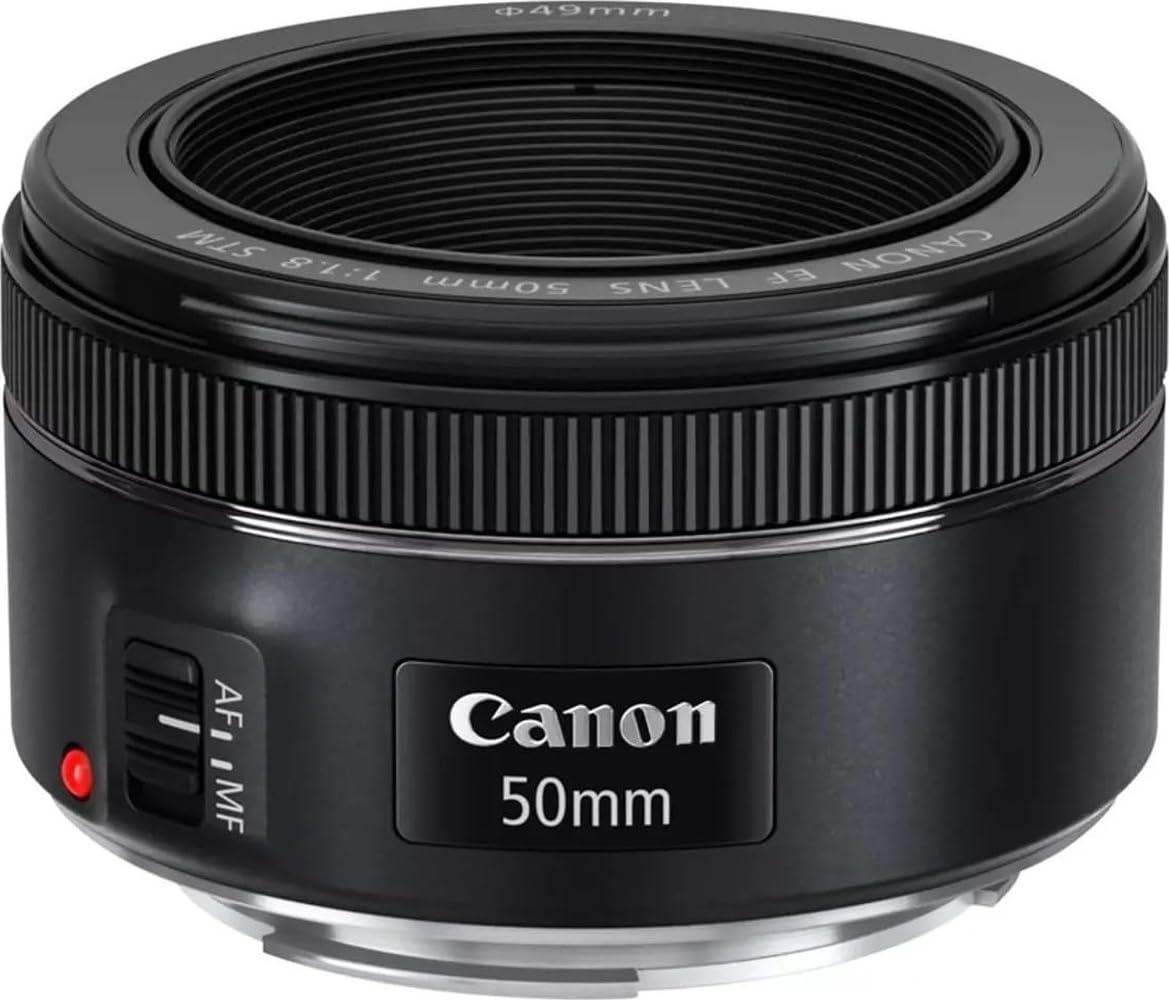
The Canon EF 50mm f/1.8 STM is the sensible first-prime choice for Canon EF shooters, with STM autofocus and a 0.35m minimum focus in a budget-friendly body. Wide open at f/1.8, the center sharpness defines eyes cleanly in portraits, while the out-of-focus areas carry a smoothness that suits the price.

On APS-C Canon DSLRs, the 50mm focal length becomes an effective short portrait lens, giving crop-sensor shooters a clear step up from a kit zoom. The 49mm filter thread keeps accessory costs low, and the compact barrel leaves room in the bag for another lens.

This lens belongs on Canon DSLRs for stills-first shooters who want one affordable prime for portraits, low-light walks, and shallow depth of field. Autofocus speed and noise are not in the same class as premium f/1.2 lenses, and low-light hunting can occur, so the right buyer is someone who can wait a moment for focus to lock rather than track fast action.

For adapted RF shooters, the EF optic carries over its f/1.8 character without a fresh native purchase; the native RF version is the smaller, more mirrorless-specific alternative. The EF remains the value-minded path for those already in the mount or happy to use an adapter.

💡 When the light gets tricky, switch to a single AF point and let the lens settle.

Pros

  • Sharp f/1.8 center with smooth bokeh for portraits and low-light scenes.
  • APS-C Canon bodies get an effective portrait-length framing from this 50mm.
  • Long-term consistency in everyday use keeps it a sensible first prime.
  • Sharpness punches above its budget class, so crop-sensor users don't need to overpay.

Cons

  • AF speed is a step below premium f/1.2 glass; motor sound can be audible in quiet settings.
  • In dim scenes, autofocus may pause and hunt before locking focus.
Our verdict

For Canon EF shooters, this is the f/1.8 first prime to start with: sharp wide open, compact in the bag, and a direct path to shallow depth of field without a large budget outlay.

Check Latest Price
2

Best Canon Mirrorless

Canon RF 50mm f/1.8 STM

94 /100
Studio Score High Confidence

Key details

Mount
Canon RF
Max Aperture
f/1.8
Size And Build
43 mm filter
Check Price on Amazon

The RF 50mm f/1.8 STM is a compact native prime route to the classic nifty-fifty framing on Canon EOS R-series bodies. It mounts directly without an EF adapter and adds a control ring that can be assigned to aperture, ISO, or exposure compensation. The 43mm filter thread keeps accessories at the small end of the kit, and the lens stays light enough for everyday carry.

Image quality holds up at f/1.8: center sharpness, color, and contrast come through cleanly, and the shallow depth of field separates portraits from busy backgrounds. The f/1.8 aperture keeps indoor and evening shots usable without a flash, and the compact build means this lens can stay mounted through a full day of walking.

This lens suits stills-first Canon R-series shooters who want a budget-friendly native prime for travel, street, and portraits. The gear-type STM is the main boundary: it is not silent and can hunt in video with moving subjects, so videographers who need smooth, silent AF should plan around it. Canon EF DSLR owners without an adapter are better served by the top pick in this set.

💡 For quiet video scenes, manual focus avoids the STM motor's audible focus pulls.

Pros

  • Sharp, well-corrected images with clean color and contrast at a budget-friendly price.
  • Compact body and 43mm filter thread make it easy to carry and inexpensive to accessorize.
  • f/1.8 aperture gives portraits soft background separation and helps in low light.
  • Native RF mount removes the need for an EF adapter on EOS R-series cameras.

Cons

  • Gear-type STM noise can be audible in quiet video recordings.
  • Autofocus can hunt when tracking moving subjects or shooting video.
Our verdict

This is the compact native-fifty answer for R-series shooters who want one small prime for daily stills. Video-first users and EF DSLR owners have better options in this set.

Check Latest Price
3

Best Nikon Z

Nikon Z 50mm f/1.8 S

94 /100
Studio Score High Confidence

Key details

Mount
Nikon Z
Max Aperture
f/1.8
Size And Build
Weather sealing, 62 mm filter
Check Price on Amazon

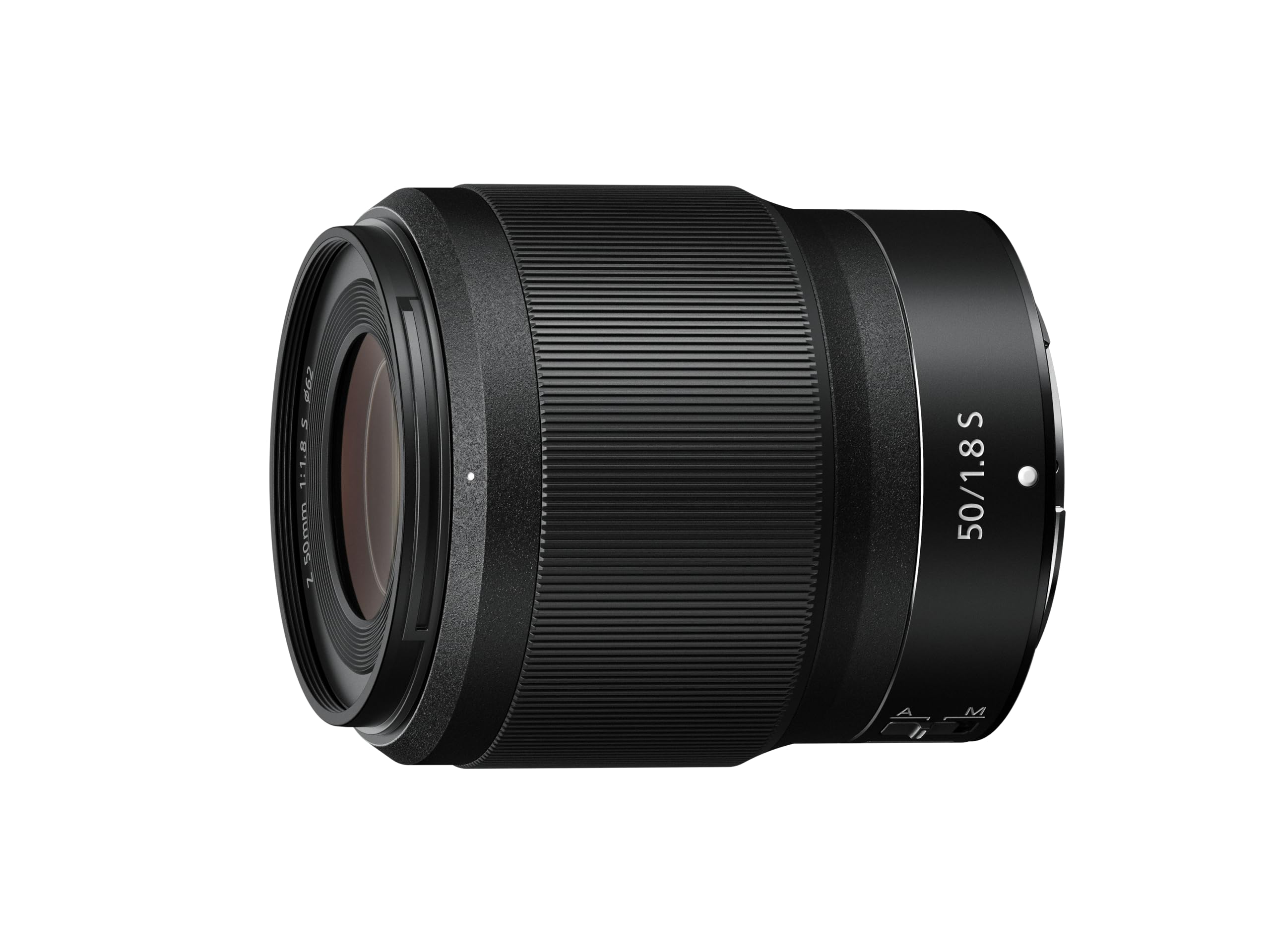
Nikon's Z 50mm f/1.8 S is the sharpest native f/1.8 in this comparison, with edge-to-edge detail that holds from wide open to stopped down. The weather-sealed barrel and silent autofocus make it a comfortable fit for both stills and video, and low-light files stay clean enough for night and indoor scenes. This is not the cheap plastic 50mm of the DSLR era; it is an S-line lens built for Z-mount cameras that use the larger mount to correct aberrations.

The autofocus motor delivers quick, quiet focusing without the chattering audible in lower-priced primes. Body-dependent VR means the lens relies on Z-series stabilization, which suits handheld stills and video when paired with an IBIS body.

Nikon Z shooters who want one everyday prime for landscapes, portraits, and video will get the most from this lens. The price sits above the usual budget f/1.8 tier, so anyone comparing it with a budget DSLR prime should adjust expectations. Those holding out for f/1.2 bokeh are better served by a flagship prime; this lens delivers its value through sharpness and build rather than maximum blur.

Pros

  • Edge-to-edge sharpness at f/1.8 with minimal aberrations across the frame
  • Quiet autofocus that won't intrude during video or event coverage
  • Weather-sealed build for outdoor shoots in dust or light rain
  • Clean, detailed files in low-light and night scenes

Cons

  • Larger and heavier than a typical f/1.8 prime, closer to a small zoom in the hand
Our verdict

For Z-mount owners, this is the 50mm to measure other primes against: sharp, quiet, weather-sealed, and priced for shooters who need more than a budget lens.

Check Latest Price
4

Best Nikon DSLR Budget

Nikon 50mm f/1.8G AF-S

96 /100
Studio Score High Confidence

Key details

Mount
Nikon F
Max Aperture
f/1.8
Size And Build
58 mm filter
Check Price on Amazon

The Nikon 50mm f/1.8G pairs a Silent Wave Motor with a 58mm filter thread on a budget-friendly F-mount prime that fits FX and DX DSLRs. Z-mount owners have a separate S-line benchmark, but this lens gives F-mount shooters the classic 50mm focal length without changing systems.

Image quality is the headline: center sharpness at f/1.8 is strong, background separation is smooth, and the aperture leaves enough low-light headroom for indoor portraits. On DX bodies the focal length becomes a portrait-friendly 75mm equivalent, turning the lens into a short telephoto for people shots.

This is a lens you can leave mounted for daily stills work. Focus responds quickly when there is contrast to grab, and the 58mm filter thread accepts standard polarizers and ND filters. Minimum focus of 0.45m keeps you out of macro range, but typical portrait and environmental shots sit well within its working distance.

Best for Nikon FX and DX DSLR owners, especially first-prime buyers, who want one cost-effective normal lens for portraits and low-light stills. The lens is a stills-first design, so hybrid shooters should weigh their priorities before buying. Z mirrorless users without an adapter will get better value from native Z optics.

💡 In low contrast, switch to a single AF point or manual focus to help the lens lock on.

Pros

  • Smooth f/1.8 bokeh and strong center sharpness make it a natural portrait lens.
  • Budget-friendly F-mount prime works across Nikon FX and DX DSLR bodies.
  • Low-light aperture and portrait-length field of view cover indoor available-light shooting.
  • A practical first prime that can stay mounted for daily stills work.

Cons

  • Mechanical SWM motor can be audible during video recording, which matters for video-first shooters.
  • In very low contrast or camera effect modes, autofocus can pause or hunt before locking.
Our verdict

The 50mm f/1.8G is the F-mount normal prime for Nikon DSLR stills shooters who want f/1.8 without changing systems.

Check Latest Price
5

Best Sony Pro/Low-Light

Sony FE 50mm f/1.2 GM

92 /100
Studio Score High Confidence

Key details

Mount
Sony E
Max Aperture
f/1.2
Size And Build
Weather sealing
Check Price on Amazon

The Sony FE 50mm f/1.2 GM is the widest-aperture E-mount 50mm, pairing f/1.2 light gathering with G Master sharpness and an 11-blade aperture for creamy, round bokeh. The weather-sealed barrel and XA extreme aspheric elements support the wide-open performance. This positions it as the professional f/1.2 option in the Sony E line, not a casual nifty-fifty.

At f/1.2, the focal plane is thin, so focus placement has to be precise. The lens's autofocus responds quickly to subject movement, which is what makes the wide-aperture look usable in event and wedding coverage. Low-light performance is the other payoff: f/1.2 gathers a full stop more light than an f/1.8 prime, extending handheld options indoors and at dusk.

This lens is for Sony full-frame professionals — available-light event and wedding photographers, portrait specialists, and shooters who need every possible stop at 50mm. It is heavy, bulky, and premium-priced. That trade makes sense when the f/1.2 output is part of the job, not for travel-first shooters who want a light kit.

💡 Use a dual-body harness for all-day event coverage so the camera hangs balanced and ready.

Pros

  • Sharpness holds from f/1.2 across the frame, so portraits keep fine detail even wide open.
  • f/1.2 delivers strong subject separation and creamy bokeh for portrait and wedding work.
  • Autofocus responds quickly enough for event coverage, keeping moving subjects in focus at wide aperture.
  • Low-light performance extends handheld shooting options by gathering a full stop more light than f/1.8 primes.

Cons

  • For compact travel kits, the lens's physical size dominates the bag.
  • The luxury price puts this beyond budget-oriented 50mm buyers.
Our verdict

Sony full-frame professionals who need f/1.2 for events, weddings, and portraits will find this G Master the reference 50mm on E-mount; everyone else should keep the kit light with the FE f/1.8.

Check Latest Price
6

Budget Sony FE

Sony FE 50mm f/1.8

93 /100
Studio Score High Confidence

Key details

Mount
Sony E
Max Aperture
f/1.8
Size And Build
186 g, 49 mm filter
Check Price on Amazon

Native Sony FE 50mm f/1.8 is a compact full-frame prime that keeps A7/A7C kits light, with solid sharpness and soft background rendering for portrait and street work. The 186g body and f/1.8 aperture make it the easiest budget route into a native Sony 50mm. Its autofocus is acceptable in normal light, but the motor can become slow and noisy when light drops, and the barrel carries a plasticky texture. That places it below the f/1.2 GM for event and video demands, yet for stills shooters who prioritize budget, size, and image quality, the tradeoff is a fair one.

Pros

  • Strong value as the budget native FE 50mm for Sony full-frame shooters.
  • Sharp f/1.8 rendering with soft bokeh for portrait work.
  • Light 186g body that suits street and everyday carry.

Cons

  • Plastic barrel texture may be noticeable when handling, though it keeps the lens light.
  • Autofocus can become slow and audible in low light, which matters for evening street and indoor portrait work.
Our verdict

If you shoot stills in normal light and want a small, budget-friendly 50mm for your Sony full-frame body, this is the native FE prime to buy.

Check Latest Price
7

L-Mount Shooters

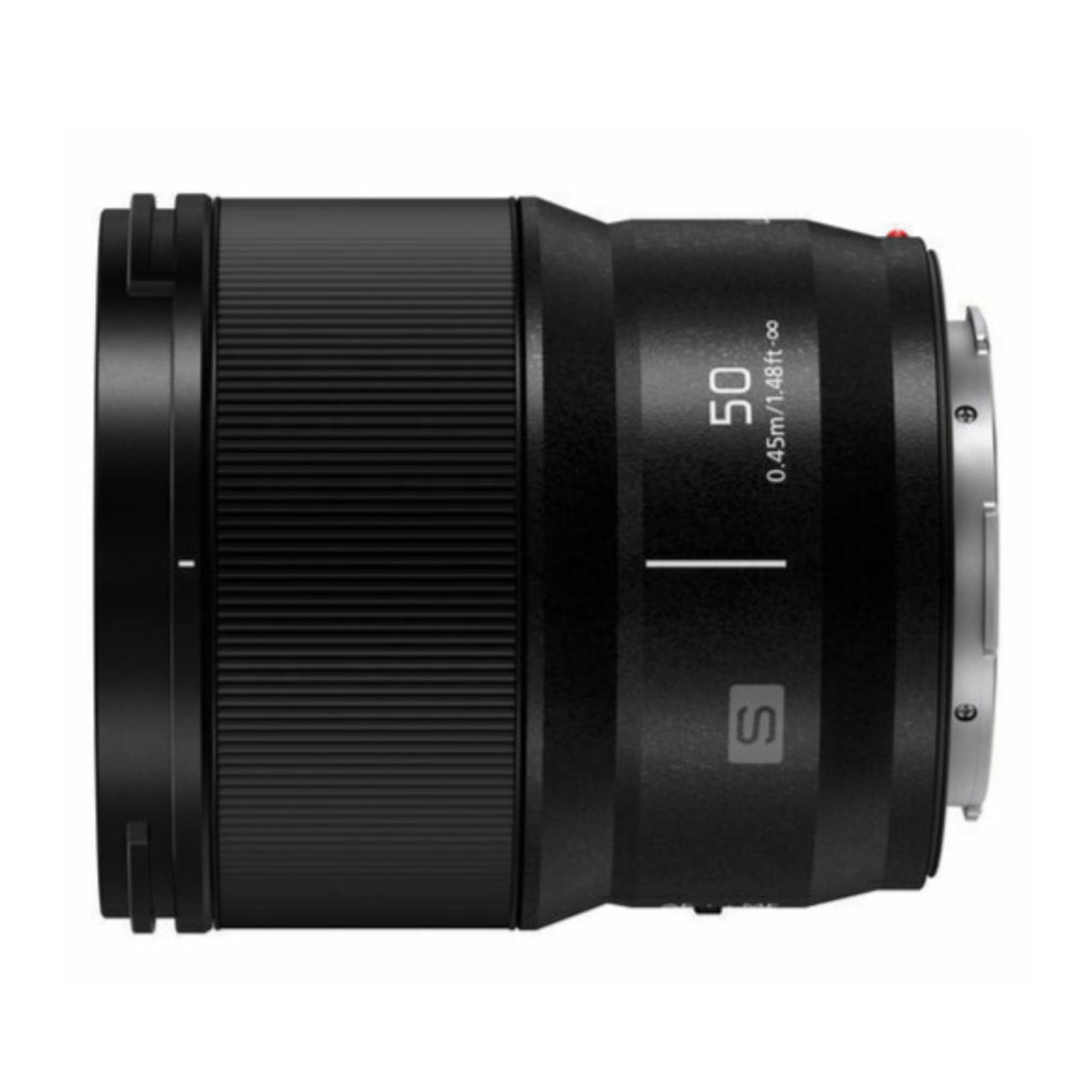
Panasonic LUMIX S 50mm F1.8

89 /100
Studio Score Strong Evidence

Key details

Mount
Leica L
Max Aperture
f/1.8
Size And Build
300 g
Check Price on Amazon

The Panasonic LUMIX S 50mm F1.8 produces sharp images with smooth bokeh at f/1.8, and its 300g body keeps it easy to carry on L-Mount full-frame cameras. Suppressed focus breathing and a 9-blade aperture also make it a practical choice for video-focused shooters.

This L-Mount prime is a cost-effective pick for Panasonic, Leica, and Sigma owners, but autofocus consistency is mixed: fast in some scenes, less accurate in action and low-contrast conditions. That inconsistency keeps it out of the top tier next to native Canon, Nikon, and Sony 50mm primes. It suits value-conscious full-frame users who want stills and video in one light prime.

Pros

  • Sharp f/1.8 images with smooth bokeh for portraits and low-light work.
  • 300g build and suppressed focus breathing support hybrid stills-and-video work.
  • Mid-range pricing makes it a cost-effective L-Mount prime for Panasonic, Leica, and Sigma bodies.

Cons

  • Manual focus can be unavailable on a Leica SL2 body, so body-specific checks are worth doing.
  • Autofocus can lag or miss in action and low-contrast scenes, while static targets remain sharp.
Our verdict

For L-Mount owners who want a light, well-priced 50mm for hybrid shooting and can accept occasional autofocus misses, this lens is a sound fit. Canon, Nikon, and Sony shooters should stay with their native primes unless they already own an L-Mount body.

Check Latest Price
8

Budget Sony E

Viltrox AF 50mm F2.0 FE

90 /100
Studio Score High Confidence

Key details

Mount
Sony E
Max Aperture
f/2.0
Size And Build
Check Price on Amazon

The Viltrox AF 50mm F2.0 FE uses an STM motor and a 13-element/9-group optical formula in a light barrel, which makes it a comfortable walking lens on Sony E bodies. Stills-first buyers on a budget get a capable 50mm prime for street and travel use.

The f/2 maximum aperture trails budget f/1.8 primes in low-light reach, so dim interiors push ISO higher. The product listing can combine feedback from several Viltrox primes, so verify that reviews or sample photos correspond to this exact 50mm F2 before weighing them heavily. Those two caveats keep it in the secondary tier rather than the default budget recommendation.

Pros

  • Sharp image quality and a practical 50mm reach for the money on Sony E bodies.
  • Strong value and fast autofocus for a budget Sony E lens.
  • Image quality reputation is strong for the budget tier.

Cons

  • Vignetting or distortion can show up in some frames.
  • Out-of-focus areas can look less consistent than f/1.8 rivals in certain scenes.
Our verdict

For stills-first Sony E shooters on a tight budget, the Viltrox makes sense as a travel and street prime when indoor event coverage isn't the priority.

Check Latest Price

How to Choose

Mount Compatibility

Lens mounts pair physical flange distance with electronic communication, so a Canon EF lens will not mount natively on a Sony E body without an adapter. Adapters can preserve focus, but they add length, often slow autofocus, and may block weather sealing. Buying for the body you own now is the core decision.

Aperture and Bokeh

Maximum aperture controls light and depth of field: f/1.2 gathers about one stop more light than f/1.8, not the dramatic gap marketing suggests. The real trade-off is glass size. Wider apertures need larger front elements, so an f/1.2 lens can weigh twice as much as an f/1.8 and cost many times more. Choose f/1.2 when you shoot events in genuinely low light; choose f/1.8 for daily carry.

Autofocus Behavior

Budget lenses use gear-type or older motors that move the focus group with louder, slower steps; STM and linear motors pull focus quietly and smoothly. In low contrast, a slower motor hunts back and forth while a faster motor locks sooner. That difference shows up in weddings, indoor candids, and video, where missing the focus moment matters more than a slightly softer corner.

Image Stabilization

Stabilization lives either in the lens, as Sony's OSS, or in the camera body as IBIS. A lens without OSS can still be steady on an IBIS body, but older DSLR bodies often have no in-body correction. If your camera is a stabilized mirrorless body, skip lens-based stabilization; if it is an older body, an OSS lens is the difference between sharp and blurred at 1/30s.

Size, Weight, and Build

Build quality follows use-case: a plastic-barrel f/1.8 is light and easy to carry but feels less solid in cold weather; a weather-sealed metal-barrel f/1.2 is heavier and reassuring on a pro body. The counterweight is carrying cost. A 500-gram lens on a camera bag strap for eight hours changes how often you bring it, and the lens you carry is the one that gets the shot.

Frequently Asked Questions