8 Best Drone for Photography 2026: Gimbal and Battery Value

A real 3-axis gimbal and enough batteries set photography drones apart. Help for first-time and upgrading pilots.

Photography-focused drone buyers regularly run into two problems: advertised flight time is optimistic, and a 4K label does not guarantee steady footage. A true 3-axis gimbal and the number of batteries in the box matter more than the headline sensor resolution.

The real trade-off is between portability and endurance. Sub-249g drones slip into a daypack and, for recreational US flights, avoid FAA registration, but some ship with a single battery. Slightly heavier models often include two or three batteries and stretch a shoot to an hour or more, at the cost of registration and extra bulk.

This guide matches that trade-off to how you actually shoot: short travel sessions versus full photo outings, phone-free controller workflows versus DJI app polish. Choose the package that fits the shooting day you most often have, not the one-sentence spec that looks best on paper.

1

Best Overall

DJI Mini 4K

91 /100
Studio Score High Confidence

Key details

Camera
4K UHD / 12MP
GPS Return
Yes
Flight Time
31 min per battery
Transmission
10 km
Check Price on Amazon

The Mini 4K captures 4K UHD video and 12MP stills through a mechanical 3-axis gimbal, giving a sub-249g drone the stability usually reserved for much larger camera quads. The gimbal smooths out the shakiness that cheaper 4K quads show in light breezes. The 12MP stills are more than adequate for social feeds and travel albums. Daylight footage looks clean and natural. Hover stability holds in moderate wind, and GPS auto-return gives first-time pilots a genuine safety net. The 10km-rated transmission keeps the live feed stable at normal flying distances, and the DJI Fly interface keeps camera settings and flight modes within reach. For the price, this delivers the core camera-and-stability package of DJI's pricier Mini line, minus the extras.

This suits first-time drone photographers, photo enthusiasts on a budget, and travelers who want a portable camera platform without registration. The kit includes one battery; Android users may need to sideload the DJI Fly app from DJI's website. Obstacle avoidance isn't part of this price point, so anyone expecting it, or a multi-battery fly-more package, should look elsewhere in the lineup.

Pros

  • Crystal-clear 4K UHD video and 12MP stills hold up well for a sub-249g camera drone.
  • Easy for first-time pilots to fly, with stable hover and smooth gimbal movement in moderate conditions.
  • Cost-effective entry into DJI's app ecosystem and GPS safety features.

Cons

  • With certain Android phones, app/connectivity friction can appear before takeoff.
  • During longer shoots, a spare battery is required, and max flight time drops in wind.
Our verdict

The Mini 4K puts the essentials of a real photography drone — mechanical gimbal, 4K UHD, GPS return, sub-249g portability — into a package that's easy for a first-time pilot to fly.

Check Latest Price
2

Best Value With Two Batteries

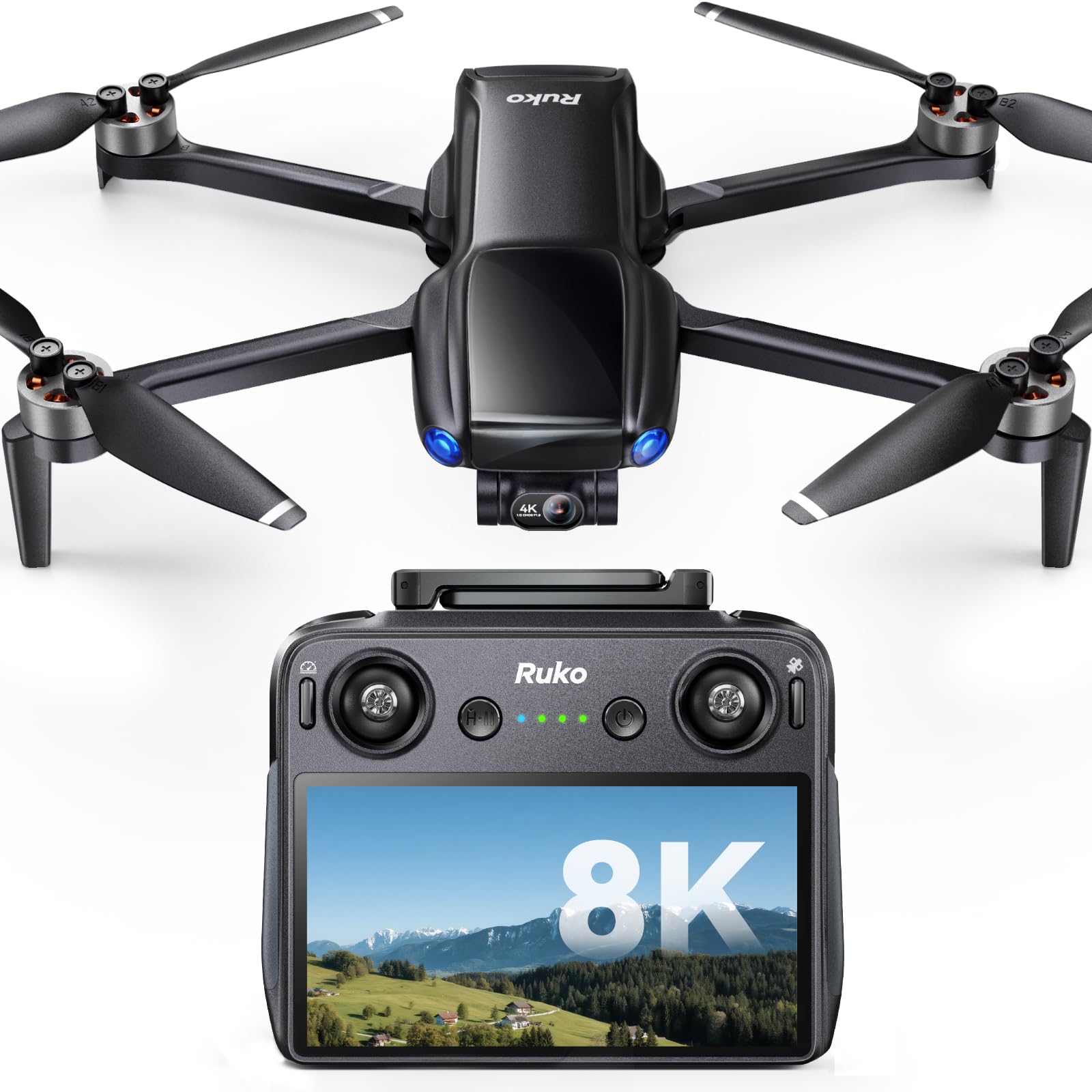
Ruko F11PRO 2

89 /100
Studio Score Strong Evidence

Key details

Camera
4K video / 6K photo
GPS Return
Yes
Flight Time
70 min (2 batteries)
Transmission
10,000 ft
Check Price on Amazon

The F11PRO 2 is a 4K camera drone with a 3-axis mechanical gimbal, GPS return, and two batteries that combine for about 70 minutes of flight time. That bundle gives families and first-time pilots more session length than single-battery rivals at the same mid-range price.

This is the right first drone for beginners who want a forgiving flight experience and long outings. The 357g body puts it over the no-registration limit, and Wi-Fi transmission can drop before 10,000ft in interference-heavy locations, so it's not for strict no-registration travelers or anyone expecting DJI-level app polish.

Pros

  • Easy for first-time pilots to learn and fly, with forgiving GPS-assisted handling.
  • Two batteries provide about 70 minutes of combined flight time for long sessions.
  • 3-axis gimbal keeps 4K video stable at a mid-range price.

Cons

  • Weighs 357g, so FAA registration is required before the first flight.
  • Wi-Fi transmission can lose the feed before the advertised range in interference-heavy areas.
Our verdict

The F11PRO 2 is the practical choice for a first photography drone when long flight sessions and a mechanical gimbal matter more than the lightest travel footprint.

Check Latest Price
3

Best All-In-One Creator Combo

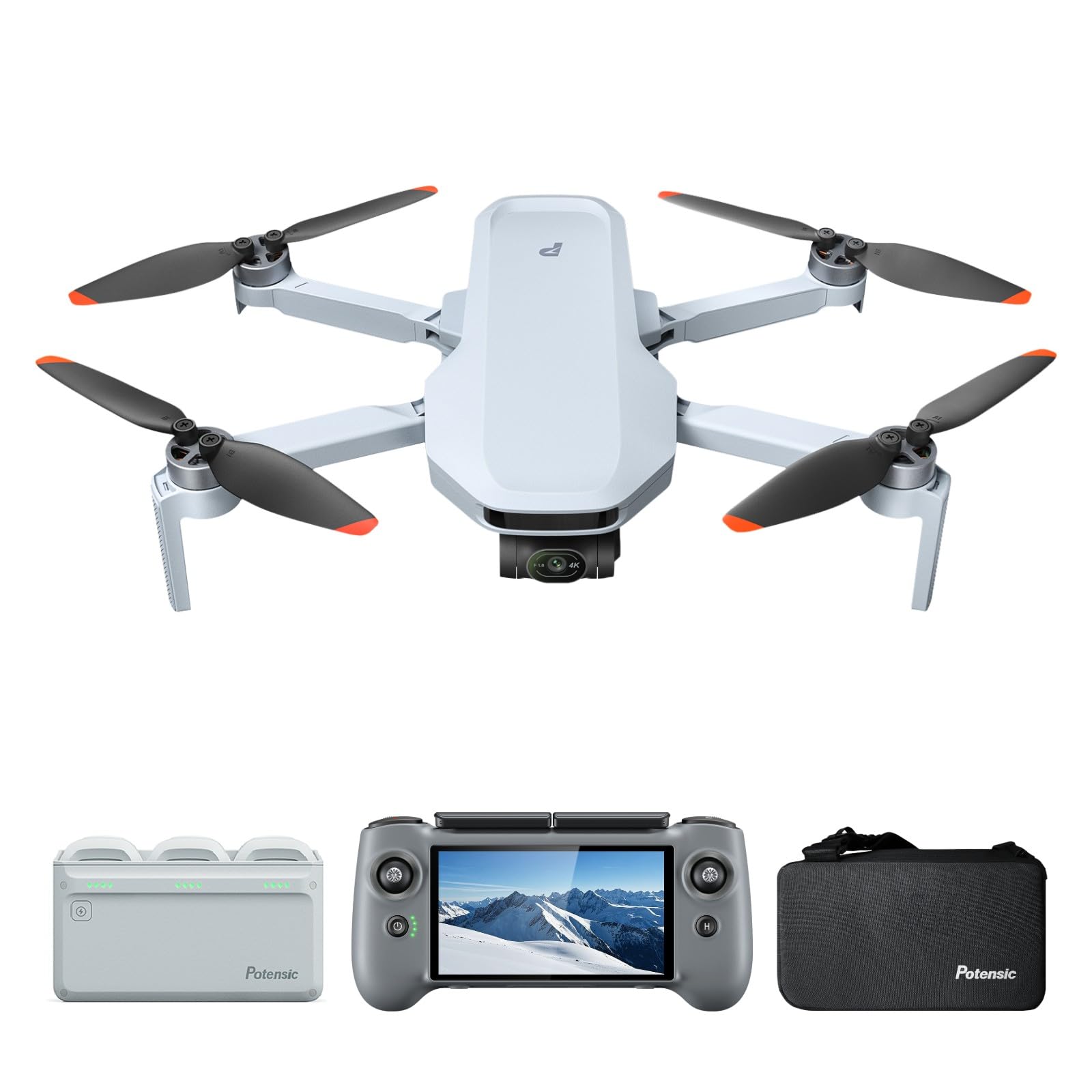
Potensic Atom 2

90 /100
Studio Score High Confidence

Key details

Camera
4K HDR / 8K photo
GPS Return
Yes
Flight Time
96 min (3 batteries)
Transmission
10 km
Check Price on Amazon

The Atom 2 Fly More Combo brings a 5.5-inch FHD touchscreen controller, 4K HDR video, and 48MP/8K stills to a sub-249g airframe. A 3-axis gimbal steadies footage, GPS return-to-home is built in, and three batteries extend total flight time to roughly 96 minutes. That combination gives photography-minded creators a screen-based workflow without the weight or registration burden of larger kits.

This kit targets intermediate creators who want long shooting sessions and a screen-based workflow. Controller maps may require a phone hotspot unless pre-downloaded, so a short planning step is part of the routine. Absolute beginners who prefer DJI's more mature app ecosystem will find that app polish matters less here than battery count and controller convenience.

Pros

  • Built-in 5.5-inch touchscreen controller streamlines the flight workflow.
  • Three-battery fly-more bundle is a cost-effective way to get a full creator kit.
  • 4K HDR video and 48MP stills support photography-focused work in a sub-249g frame.

Cons

  • No obstacle avoidance, so pilots own clearance decisions in tight spaces.
Our verdict

For intermediate creators who want a built-in screen and a true fly-more package, this is the strongest sub-249g camera option in the mid-range set.

Check Latest Price
4

Best for Serious Photographers

DJI Air 3S

90 /100
Studio Score High Confidence

Key details

Camera
1-inch CMOS / 4K
GPS Return
Yes
Flight Time
45 min per battery
Transmission
20 km
Check Price on Amazon

A 1-inch 4K HDR main sensor with a second camera, LiDAR obstacle sensing, and a 3-axis gimbal puts this ahead of the under-249g DJI starter in this set. Low-light shots hold clean color, the gimbal keeps the frame steady in wind, and 45-minute flight time per battery gives real session endurance. GPS return-to-home rounds out the safety suite.

This is a photography-first platform for serious enthusiasts and part-time professionals who need low-light reach. The 724g airframe requires FAA registration, and the charger is sold separately; this is not the pick for the no-registration travel crowd.

Pros

  • 1-inch 4K HDR main sensor and second camera deliver clean low-light stills and framing options.
  • LiDAR obstacle sensing plus a 3-axis gimbal keeps flights stable and collision-aware.
  • Costs less than a professional rig while covering typical client-work needs.

Cons

  • Premium price puts it beyond casual hobby budgets.
Our verdict

A clear buy for shooters who prioritize low-light work and collision safety over portability.

Check Latest Price
5

Best Built-In Screen Convenience

Ruko U11MINI 4K

88 /100
Studio Score Strong Evidence

Key details

Camera
4K video / 8K photo
GPS Return
Yes
Flight Time
64 min (2 batteries)
Transmission
20,000 ft
Check Price on Amazon

The U11MINI puts a 5.5-inch touchscreen controller in the case, so takeoff does not start with tethering a phone. It stays under 249g, includes two batteries, and carries a 3-axis gimbal, giving travelers a self-contained photography drone without the registration step of heavier rivals in this tier.

This suits photographers who want a no-registration gimbal drone with GPS return and about 64 minutes of combined flight time from the included pair of packs. Those who need 4K/60 or obstacle avoidance should keep looking; for everyone else, the touchscreen controller and stabilized 4K/30 output cover the photography-focused checklist.

Pros

  • Integrated 5.5-inch touchscreen removes the phone-tethering step before each flight.
  • True 3-axis gimbal keeps 4K/30 footage stable in moderate wind.
  • Two-battery kit supports around 64 minutes of combined flight time.

Cons

  • Battery and charging QC can vary between units, so occasional charging issues may show up.
Our verdict

For pilots who dislike phone tethering, the U11MINI is the practical sub-249g gimbal kit with a built-in screen and two batteries.

Check Latest Price
6

Family Beginners

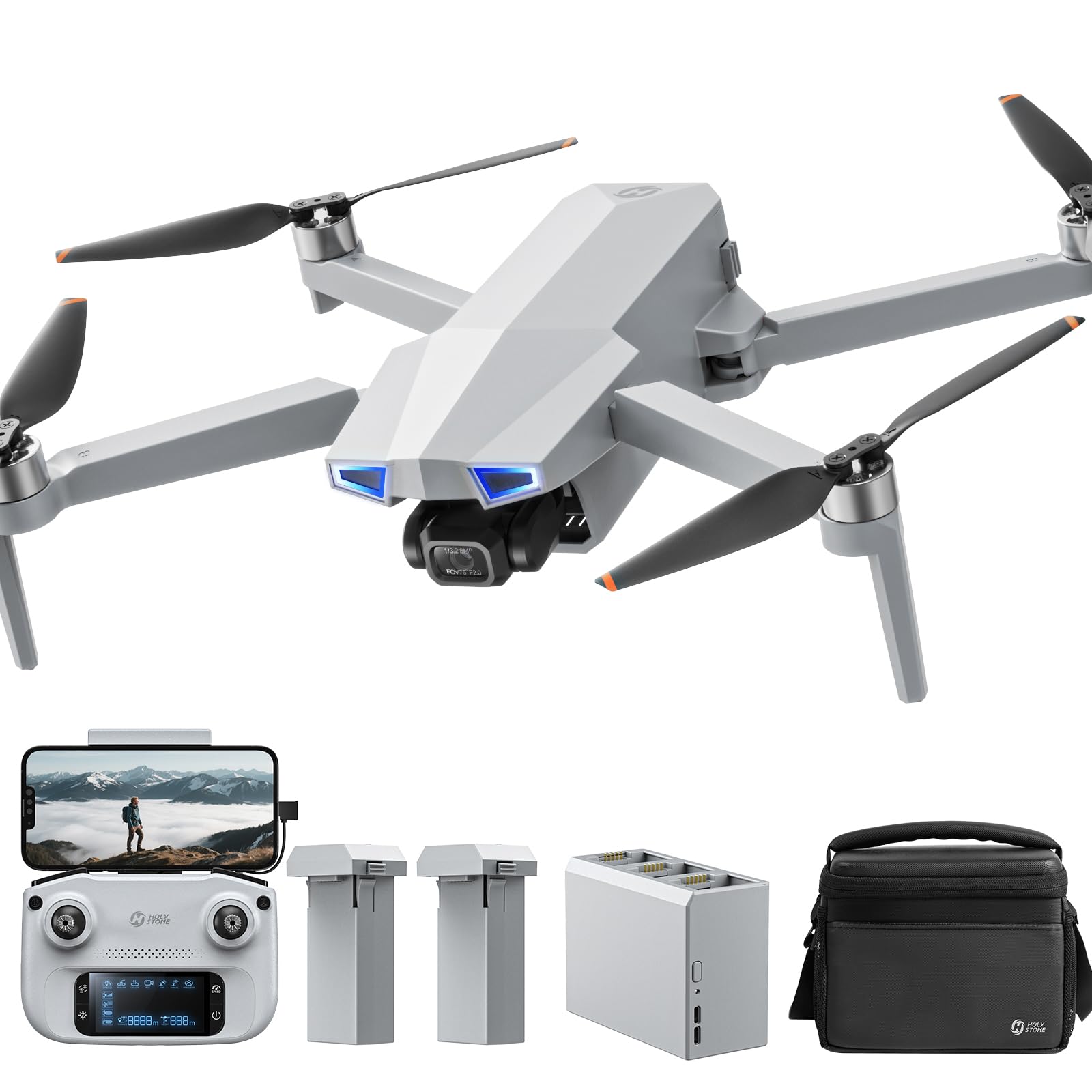
Holy Stone HS790

89 /100
Studio Score Strong Evidence

Key details

Camera
6K photo / 4K video
GPS Return
Yes
Flight Time
60 min (2 batteries)
Transmission
30,000 ft
Check Price on Amazon

The Holy Stone HS790 is a complete 4K camera kit with a 3-axis gimbal, two batteries for 60 minutes of total flight time, and built-in Remote ID. It covers the photography-drone essentials with GPS return and mid-range pricing. Occasional heading changes in wind keep its flight-control polish behind the top picks.

Pros

  • Easy to learn, with enough depth for newer pilots to grow
  • Good video and camera quality for the price

Cons

  • Requires FAA registration due to a 375.5g takeoff weight.
Our verdict

For a weekend photo flyer who wants a full kit with spare batteries, this is the direct route to gimbal-stabilized 4K without extra accessory shopping.

Check Latest Price
7

Safety-First Beginners

DJI Flip

87 /100
Studio Score Strong Evidence

Key details

Camera
4K video / 48MP
GPS Return
Yes
Flight Time
31 min per battery
Transmission
13 km O4
Check Price on Amazon

Full propeller guards and palm takeoff make this an approachable 4K/60 camera drone for beginners and travel shooters, with a 3-axis gimbal, GPS return, and 31-minute flight time covering real photography basics. It lacks lateral obstacle sensors and the premium extras to move above the Mini-class top pick; controller and phone pairing can need an occasional redo.

Pros

  • Full propeller guards and palm takeoff give beginners a forgiving first-flight experience.
  • 4K/60 HDR and 48MP stills deliver real camera output from a sub-249g frame.

Cons

  • The RC-N3 controller relies on your phone as the display, so a built-in screen isn't an option.
Our verdict

Choose it for family travel and first flights where prop protection and palm-launch simplicity matter most.

Check Latest Price
8

Premium Compact Travel

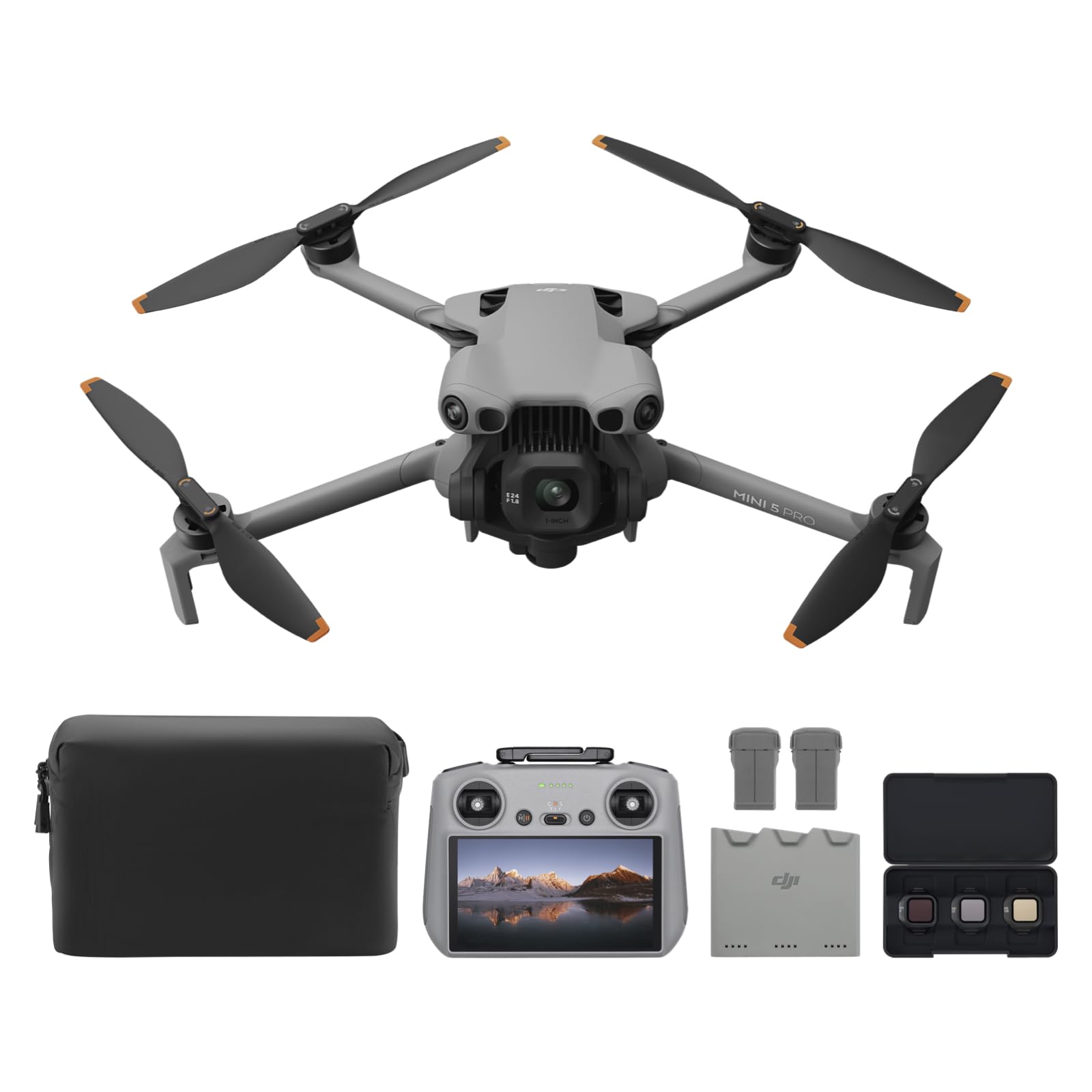
DJI Mini 5 Pro

88 /100
Studio Score Strong Evidence

Key details

Camera
1-inch CMOS / 50MP
GPS Return
Yes
Flight Time
36 min per battery
Transmission
O4 long range
Check Price on Amazon

The Mini 5 Pro's 1-inch CMOS sensor, 4K HDR video, and 36-minute battery life make it a compact imaging tool for travel and content work. The advanced feature set gives experienced pilots room to grow, but the luxury price and separate charger purchase are real tradeoffs; the Air 3S remains stronger for serious photography and the top pick wins on value.

Pros

  • Sub-249g body with a 1-inch CMOS sensor and 4K HDR video gives travel photographers a high-end compact camera drone.
  • 36-minute battery life keeps shooting sessions going longer without extra packs.

Cons

  • The dense controls and advanced options can feel overwhelming for a first-time pilot.
Our verdict

If you already understand flight controls and want a sub-249g one-inch sensor for travel shooting, the Mini 5 Pro fits; anyone chasing value should look at the top pick.

Check Latest Price

How to Choose

Camera Resolution and Sensor Size

A 4K label does not guarantee image quality. Sensor size sets dynamic range, low-light noise, and color depth. A 1-inch sensor will outclass a small 1/2.3-inch sensor at dusk even when both record 4K.

Daylight travel scenes look great on smaller sensors; twilight and landscape work need the larger option.

Stabilization Type

A 3-axis mechanical gimbal physically holds the camera level while the drone moves. EIS crops the frame and smooths motion in software, which works in calm air but leaves wobble in wind.

For still photos, EIS cannot freeze a gust-induced sway. A gimbal is the real boundary between casual footage and usable aerial photography.

GPS and Return-to-Home

Return-to-home depends on a solid GPS lock and a recorded home point before takeoff. Launching under tree cover or near metal structures leaves RTH with less reliable data.

Use RTH as a safety net, not a recovery tool for risky flying. A clear GPS lock and a sensible return altitude give a predictable path when the battery is low.

Flight Time and Battery Count

Stated flight time comes from a steady hover in still air with a fresh battery. Real flights add climbs, wind, cold, and recording load, so expect 60 to 70 percent of the number.

That is why battery count matters. One 31-minute battery can feel like 20 usable minutes; two or three batteries turn a flight into a shoot.

Transmission Range and Link Technology

Range claims assume clear line of sight with no interference. Wi-Fi links share congested spectrum and can drop the feed early; dedicated digital links hold a steadier connection in suburbs or near trees.

Plan around your flying locations, not the box. Open fields let most links perform well; tight areas make link technology more important than the advertised kilometers.

Frequently Asked Questions