9 Best Photography Books of 2026: Match the Book to Your Level

Match your skill level and goal to the best photography books — whether you need structured lessons, genre-specific technique, or visual inspiration.

Photography books pull in two directions: some teach you to make images, others exist to show you what great images look like. Confusing the two is the most common reason a photography book purchase ends up unused on the bottom of a shelf.

The fix is matching the book to your actual situation. A beginner with a mirrorless camera and no idea what aperture does needs a structured course with practice assignments. A gift buyer or coffee-table shopper needs a large-format collection with strong reproduction quality — not a 300-page manual.

The strongest photography libraries build in layers: one structured course for fundamentals, one genre-specific guide for the type of shooting you care about. Large-format collections belong on the coffee table, not in your camera bag.

1

Best Overall

Digital Photography Course

95 /100
Studio Score High Confidence

Key details

Depth
Complete course
Level
Beginner
Genre Focus
General
Publication Date
2015
Check Price on Amazon

The 20-week lesson-and-project format builds camera skills sequentially, making this a complete all-in-one beginner photography book. Each weekly unit pairs one concept — aperture, shutter speed, composition, light — with a shooting assignment that turns reading into practice. The 360-page DK volume keeps explanations clear by matching diagrams and example photos closely to the text, so a beginner rarely has to guess what a setting actually changes.

The weekly rhythm works: learn the idea, shoot the assignment, then review the results against the example photos. That practice loop prevents the beginner pattern of absorbing tips without ever pointing a camera at a subject. The assignments build a small portfolio along the way, which makes progress visible rather than abstract. Each lesson ends with something to evaluate, so the next lesson starts from a firmer footing.

The value is hard to separate from the structure: instead of gathering several topic-specific guides, a beginner gets a single sequence that connects each concept to a tangible photo exercise. The book is organized around the course rather than alphabetical topics, so the learning path stays coherent from the first lesson through the edited final image. That coherence is what separates this from a general reference book.

This is for the beginner who wants a full curriculum laid out in advance, and for the hobbyist who has collected scattered tips but never worked through a structured course. It also suits gift buyers looking for a comprehensive one-volume photography book. The format is a course, not a quick-reference manual; if a semester-length program is more than you want to commit to, the slimmer quick-start manual in this set is the faster alternative.

💡 Set aside a regular time for each lesson and complete the photo assignment before moving to the next unit.

Pros

  • Lesson-and-project structure breaks the learning curve into manageable weekly steps.
  • Clear, well-illustrated explanations make camera concepts understandable for beginners.
  • Diagrams and example photos are easy to follow and tightly matched to the text.
  • A budget-friendly single volume covers what a paid beginner course would teach.

Cons

  • The sequential course leaves no shortcut for a single settings fix.
  • The full twenty-week pace requires sustained commitment to finish.
Our verdict

For a beginner ready to work through a structured program, this single volume delivers a complete course with practice built in.

Check Latest Price
2

Best for Exposure Fundamentals

Understanding Exposure

94 /100
Studio Score High Confidence

Key details

Depth
Technique reference
Level
Beginner-Intermediate
Genre Focus
Exposure
Publication Date
2016
Check Price on Amazon

Bryan Peterson's exposure masterclass zeroes in on the three settings that determine exposure: aperture, shutter speed, and ISO. Example-driven lessons translate to any camera, and before-and-after comparisons make each concept click before the next one is introduced. That single-subject focus is the book's main strength: it goes deeper on exposure than a general photography guide can.

The right reader is a photographer ready to leave auto mode and get serious about manual control. That reader accepts the boundary: composition, gear, and post-processing are not covered here. If you are shopping for a single all-in-one photography book, a broader primer like the slimmer option in this set offers more range, though with less depth on exposure.

The revised 2016 edition keeps the lessons aligned with digital cameras while preserving the photo-first teaching style that made the original a durable reference for self-taught shooters.

Pros

  • Classic exposure instruction that makes aperture, shutter speed, and ISO approachable.
  • Highly informative for enthusiasts ready to leave auto mode.
  • A respected technique-focused photography book with long-term value.

Cons

  • Advanced photographers who already know exposure may find little new material.
  • Scope is limited to exposure; composition, gear, and editing are not addressed.
Our verdict

Photographers ready to take manual control will get lasting value from this focused manual; those needing a full beginner overview should pair it with a broader guide.

Check Latest Price
3

Best for Portrait Photographers

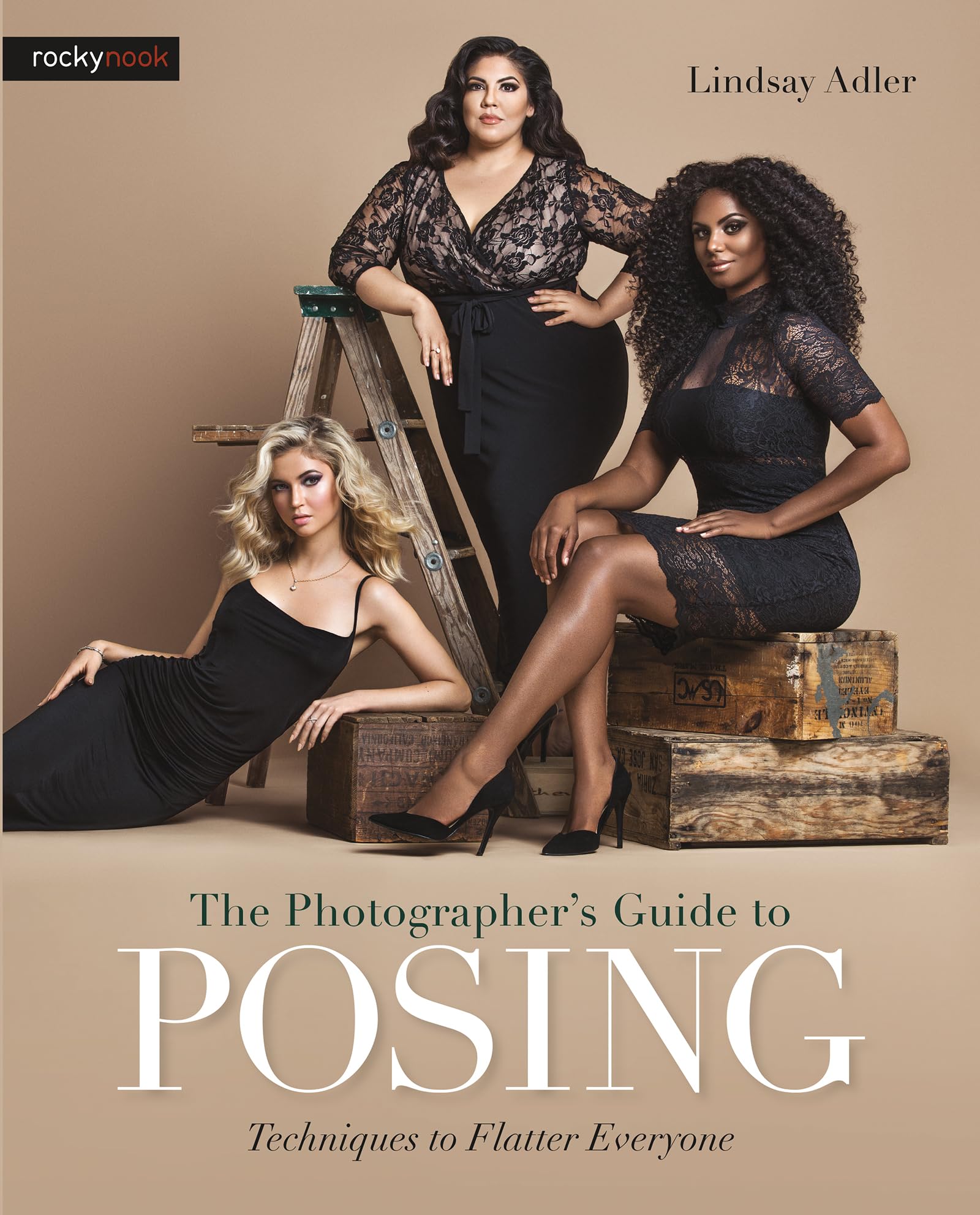
Photographer's Guide to Posing

95 /100
Studio Score High Confidence

Key details

Depth
Technique reference
Level
Beginner-Intermediate
Genre Focus
Portrait
Publication Date
2017
Check Price on Amazon

The most focused posing reference in this set spends all 448 pages on directing the human form. Where the category's beginner courses work through exposure and camera handling, this one moves straight to weight shifts, hand placement, flattering angles, and group or couple arrangements. It explains the reasoning behind each adjustment, so the same logic applies when the subject or setting changes.

Women, men, couples, and groups each get dedicated treatment, which makes the book easy to use during a packed session. The practical delivery stands out: advice lands as something you can apply to the next frame rather than an abstract theory about posing. Photographers working with people can see an immediate difference in how they direct subjects.

The book assumes you already know how to operate your camera, so someone still learning aperture and shutter speed should keep a beginner manual close. For wedding, family, senior, and self-portrait photographers it is a working reference. Landscape, product, and macro shooters are outside its scope and will not get much from the people-only content.

Pros

  • The posing content is comprehensive enough to serve as a primary reference for people photography.
  • Technique explanations are detailed and walk through why each adjustment works.
  • Covers women, men, couples, and groups effectively in one volume.

Cons

No notable drawbacks to flag.

Our verdict

For portrait and people photographers, this is the reference to keep on the shelf; for landscape or product shooters, it is not relevant.

Check Latest Price
4

Best Budget Beginner Guide

Nat Geo Photo Basics

95 /100
Studio Score High Confidence

Key details

Depth
Quick guide
Level
Beginner
Genre Focus
General
Publication Date
2019
Check Price on Amazon

National Geographic Photo Basics teaches through 256 pages of visual examples and short assignments, covering aperture, shutter speed, ISO, composition, and natural light at an entry level. It is a low-cost primer that gets beginners shooting without making them feel lost in theory. The photographs are teaching tools first, not display pieces, which separates this from the National Geographic visual collections in the same search. Each lesson pairs a concept with an image that shows the result, and a short assignment reinforces it.

That makes it a strong starting point for newcomers on a budget and for gift buyers introducing someone to photography. The lessons are short enough to absorb in a weekend, and the exercises don't require previous knowledge or expensive gear. Serious learners will outgrow it and need a deeper course; this book intentionally stays a survey of the basics.

Pros

  • Content aimed at new photographers makes the basics easy to absorb.
  • Concise lessons with useful assignments let beginners see progress without overload.
  • Photo examples support the teaching and keep the book visual rather than dense.

Cons

  • Advanced lighting, editing, and creative techniques are outside its scope.
  • It offers no structured 20-week curriculum, so self-guided learners must plan their own progression.
Our verdict

New photographers who want a low-cost, visual introduction will find a practical starting point here.

Check Latest Price
5

Best for Landscape Photography

Landscape Photography Book

90 /100
Studio Score High Confidence

Key details

Depth
Practical guide
Level
Beginner-Intermediate
Genre Focus
Landscape
Publication Date
2019
Check Price on Amazon

Scott Kelby's landscape book delivers practical, step-by-step field techniques tuned to real shooting situations. The organization follows landscape scenarios—mountains, water, forests, city scenes—so you can open to the section that matches the view in front of you and apply the advice immediately. That scene-first structure makes it a genre-specific alternative to a structured beginner course, and it works as a quick field reference rather than a long reading assignment.

This is aimed at landscape hobbyists and intermediate shooters who already work their cameras manually. Complete novices may need to learn exposure fundamentals first; the book assumes basic camera operation and spends its pages on scene-specific decisions. The conversational teaching style suits readers who want quick answers in the field, and fans of Kelby's example-driven approach will recognize his voice throughout.

Pros

  • Landscape-specific content concentrates on the genre rather than general photography.
  • Concise practical tips translate directly to field shooting.
  • Short step-by-step sections make each technique easy to read and apply.

Cons

  • Advanced artistic theory and conceptual landscape vision sit outside the book's practical scope.
Our verdict

Slip it into the camera bag before a shoot; the scene-by-scene format delivers the right advice at the right time.

Check Latest Price
6

Best Coffee-Table Inspiration

Nat Geo Stunning Photos

92 /100
Studio Score High Confidence

Key details

Depth
Visual collection
Level
All Levels
Genre Focus
General
Publication Date
2014
Check Price on Amazon

This is the coffee-table collection to reach for when the goal is visual impact: 400 pages of National Geographic archive images chosen for beauty and variety. The category's instructional titles organize lessons around aperture and composition; this one simply sequences frame after frame of landscapes, wildlife, culture, and adventure. The result is a book made for leaving open on a table.

The right buyer is someone shopping for a photography lover or for a display piece that rewards repeated browsing. The archive spans dozens of photographers, so those expecting a single-photographer monograph should know this is a collective National Geographic view. It also has no instructional value: the collection is a visual showcase, not a book for learning to shoot, so practical beginners seeking camera techniques should start with the budget-friendly National Geographic primer in this set.

Pros

  • Four hundred pages of curated National Geographic imagery make an immediate coffee-table statement.
  • Archival photographs span landscapes, wildlife, culture, and adventure, so the book rewards repeated browsing.
  • Works well as a gift for photography lovers who want visual inspiration on paper.

Cons

  • Anyone expecting a single-photographer monograph gets a multi-author archive instead.
  • The book will not teach camera technique; it is a visual showcase, not a manual.
Our verdict

This is the natural pick when the goal is visual inspiration on paper. Gift buyers and coffee-table decorators are the right audience.

Check Latest Price
7

New Camera Owners

Beginner's Photography Guide

93 /100
Studio Score High Confidence

Key details

Depth
Quick guide
Level
Beginner
Genre Focus
General
Publication Date
2024
Check Price on Amazon

The 2024-updated manual gets new camera owners shooting quickly with concise visual chapters and current examples, making it one of the more approachable entry points in this set. It suits buyers who want fast instruction rather than a structured 20-week course; the Complete Course covers much of the same beginner ground with more depth. Creative composition gets lighter treatment, so photographers expecting visual direction beyond handling should look to the longer-format option.

Pros

  • Very informative for someone just starting out with a new camera.
  • Clear visual layout makes exposure and handling easier to follow.

Cons

  • Buyers focused on creative composition may find less depth here; the emphasis stays on camera handling and exposure basics.
Our verdict

This is the right fit when a new camera needs quick, visual explanation; the Complete Course serves buyers ready for a weekly lesson structure instead.

Check Latest Price
8

Casual Beginners

Read This if You Want

90 /100
Studio Score High Confidence

Key details

Depth
Brief intro
Level
Beginner
Genre Focus
General
Publication Date
2023
Check Price on Amazon

A compact, jargon-free first photography book that teaches core basics through example photos from well-known photographers. The example images are used more as illustrations than as deep case studies, so the analysis is lighter than in competitors. That makes it an introduction for total beginners testing whether photography is for them and gift buyers who want an approachable read. It is not a comprehensive reference; the slimmer National Geographic primer in this set is the even faster entry point.

Pros

  • Explains composition, light, and subject in plain language, without a wall of technical terms.
  • Example images from well-known photographers make each lesson feel concrete rather than abstract.

Cons

  • The 144-page length keeps this to a quick overview; a beginner who gets hooked will need a follow-up title.
Our verdict

For a curious newcomer testing whether photography is worth pursuing, this is the right first read; anyone already committed to a full learning path should start with a deeper course.

Check Latest Price
9

Fine-Art Enthusiasts

Art of Photography

92 /100
Studio Score High Confidence

Key details

Depth
Artistic reference
Level
Intermediate-Advanced
Genre Focus
Fine art
Publication Date
2017
Check Price on Amazon

Barnbaum's treatment of photographic vision and composition is the core draw, with technical chapters that remain useful alongside the artistic instruction. The reading is deliberately philosophical, which suits serious enthusiasts who want an artistic approach but rules out beginners looking for quick camera answers. Occasional print runs can produce low-contrast gray text, so inspect your copy early if you plan a long read.

Pros

  • Builds a deeper way of seeing subjects through composition and visual intent.
  • Timeless technical chapters make it a lasting reference for black-and-white and fine-art photographers.

Cons

  • Photographers who need genre-specific landscape, portrait, or editing workflows will need a different guide.
Our verdict

For photographers who want to slow down and build visual judgment, this premium-priced reference deserves a spot on the shelf.

Check Latest Price

How to Choose

Skill Level Alignment

Beginner guides assume little to no camera knowledge and spend the first chapters on aperture, shutter speed, and ISO. Intermediate books skip those fundamentals and assume you can already expose an image correctly. Buying a book above or below your level means either wading through lessons you already know or getting lost in terminology on page one.

Book Depth

A complete course is built as a sequence: each lesson assumes you completed the previous one, and practice assignments force you to apply the material before moving on. That structure makes learning stick, but it demands weeks of commitment.

Quick guides and pocket references are organized for lookup, not sequential learning. They work well when you can already operate your camera and just need a reminder — but they will not fill in foundational gaps the way a course does.

Genre Focus

A landscape guide spends its pages on light, composition, and filters for wide scenes; a posing guide covers body angles, weight distribution, and group dynamics. A portrait photographer who buys a landscape book will find very little that transfers to a studio session. Match the genre to the type of shooting you actually do, not the type you admire.

Print and Photo Reproduction Quality

Large-format photo books are printed on heavy coated stock to keep color and contrast accurate. That weight makes the binding more fragile: oversized pages pull on the spine, and copies that get knocked during shipping can arrive with torn covers or loose sections. If you buy a large monograph or collection, open it fully and check the binding and cover as soon as it arrives.

Publication Date

Camera-specific guidance ages quickly: a book from 2015 may reference menus, buttons, and features that no longer exist on current bodies. Exposure theory and composition are timeless, but gear-specific instructions become less useful with each camera generation. For current camera models, check the publication year and prefer updates within the last three to four years.

Frequently Asked Questions