8 Best Filters for Landscape Photography in 2026: Smooth Turns

Best filters for landscape photography that mount smoothly, rotate freely, and hold color for CPL and ND shooters.

Filter listings love to talk about coating counts and 'no color cast' claims. In real landscape shooting, the first problem usually shows up before you press the shutter: a filter that will not thread on cleanly, a polarizer ring that refuses to turn, or a filter that locks onto the lens until the shoot is over.

The gap between marketing and field use matters because a filter is a physical tool, not a spec sheet. A 28-layer coating means little if the knurled ring is hard to grip or the rotating element binds when you need it most. This guide focuses on filters that handle well and keep colors believable.

The bigger trade-off is choosing between a CPL and a fixed ND. A circular polarizer is the most useful first filter, but once moving water and streaked clouds become the goal, a fixed ND takes over. Let your usual subject decide, then use thread size and glass quality to narrow the field.

1

Best Overall

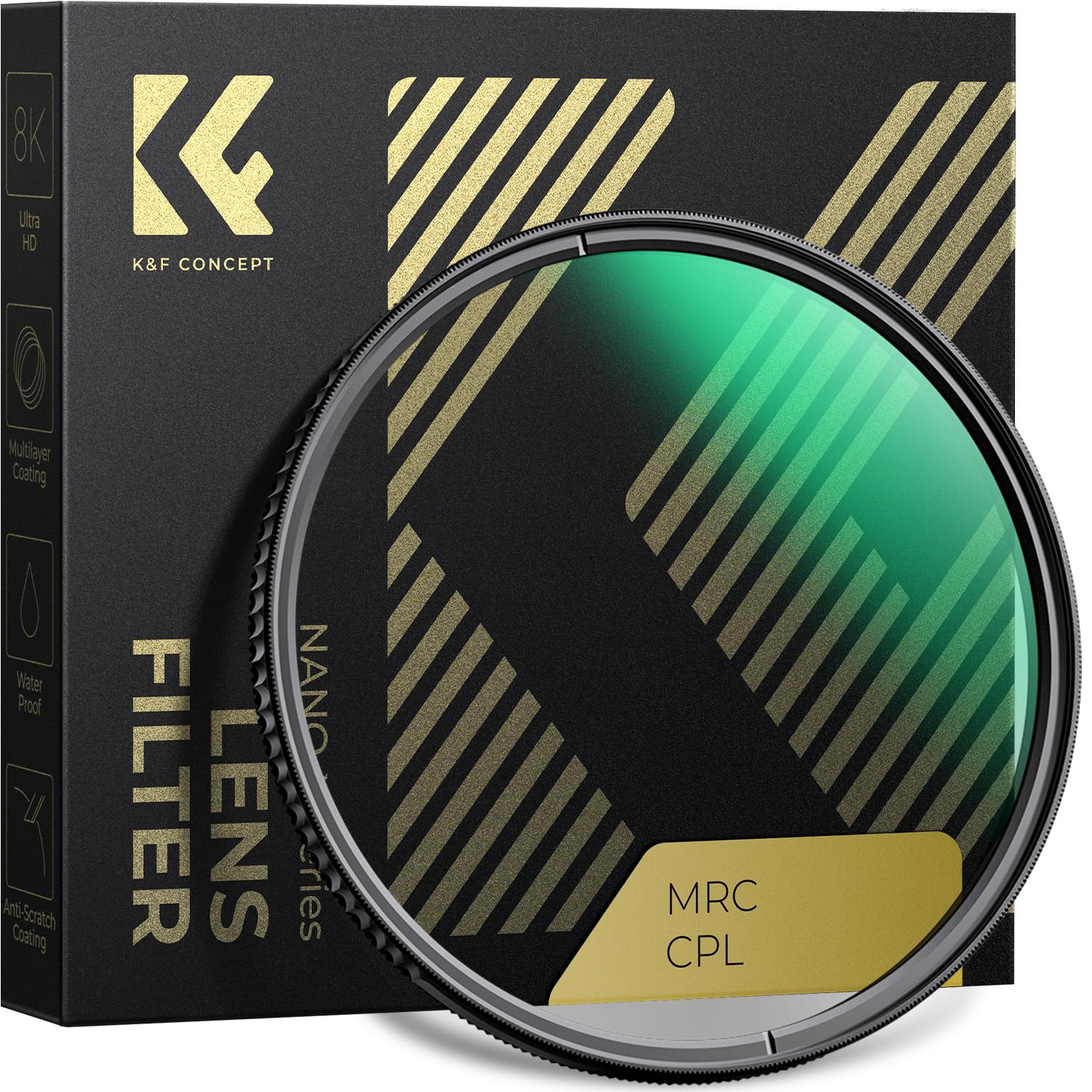
K&F Concept 62mm CPL

92 /100
Studio Score High Confidence

Key details

Filter Type
Circular polarizer
ND Accuracy
Thread Size
62mm
Coating & Flare
28-layer, waterproof, anti-oil
Check Price on Amazon

With a 62mm thread size, 28-layer multi-coatings, and a 5.3mm aluminum-magnesium frame, this CPL performs like a significantly more expensive filter. It enriches blue skies, deepens green foliage, and removes specular glare from water and glass while holding sharpness across the frame. Polarization stays clean in shadow areas, without the uneven darkening that lower-cost glass can introduce. The waterproof, anti-oil coatings simplify cleanup after damp shoots near waterfalls or shorelines, and the scratch-resistant surface takes regular wiping without fine hairlines appearing.

On a bright day, the effect is obvious: sky contrast deepens, car paint sheds reflections, and wet pavement reads as texture instead of glare. Glass storefronts and distant buildings lose their white bounce, so the detail behind the pane comes through. On streams and waterfalls, the glare layer drops away, and the water takes on color while rocks beneath the surface become visible. Foliage reads as deeper green once the glare lifts off leaf surfaces.

The rotation range moves progressively from subtle enhancement to strong saturation, and no color cast appears at either end of the adjustment. The slim profile avoids heavy vignetting on typical 62mm lenses at landscape apertures, which matters when shooting wide or stitching panoramas.

Landscape shooters using 62mm lenses are the primary audience: one mount gives richer skies, deeper foliage, and glare-free water in a single setup. Car and water reflection photographers get the same benefit, since the polarizer is the specific tool for removing specular highlights on paint and surface sheen. Budget-conscious photographers who want premium-style coatings at a mid-range price are the natural fit. The ring tension and thread engagement can be stiff — the filter favors a mount-once workflow, so photographers who swap filters between shots, or use lenses with rotating front barrels, should weigh that before buying.

In the landscape kit, a CPL is a direct upgrade from a plain UV filter because it changes what the image captures, not just what reaches the sensor. This one does that job without demanding a premium outlay, and its 62mm size matches the thread of common kit zooms and landscape primes. For shooters planning long exposures later, a fixed ND is the eventual complement — polarization and exposure control are separate tools, and this filter handles its side cleanly. As a first serious landscape filter, it delivers the kind of visible change that justifies the upgrade before adding more glass.

💡 Align the filter with the lens threads and stop at first resistance — that light seat keeps removal easy later.

Pros

  • Build quality above the price point
  • Strong optical value
  • Richer color output
  • Effective reflection removal

Cons

  • The rotating ring can be hard to turn, which slows precise polarization adjustments.
  • The mounting threads can seat so firmly that removing the filter takes effort.
Our verdict

For 62mm landscape shooters, this is the value anchor of the category — visible improvements in sky, water, and foliage without a premium outlay. It belongs in the bag as the everyday filter for outdoor stills.

Check Latest Price
2

Premium Long-Exposure ND

Breakthrough X4 77mm ND6

93 /100
Studio Score High Confidence

Key details

Filter Type
Fixed ND64 (6 stops)
ND Accuracy
No visible color cast
Thread Size
77mm
Coating & Flare
MRC16 + Nanotec
Check Price on Amazon

SCHOTT B270 glass and MRC16 + Nanotec coatings give the X4 clean six-stop blocking with no visible color cast. That optical behavior is what separates it from budget ND filters in the set, and it is also why the top-pick CPL remains the natural entry point: the CPL covers the everyday landscape scene, while this fixed ND is the specialist for long-exposure shots.

The machined frame is weather-sealed, and the ribbed grip gives enough traction for smooth one-hand mounting and removal. The glass holds sharpness across the frame and keeps flare in check with the sun in the shot. A 25-year warranty backs the filter. For damp or dusty field use, the sealed body is a clear step up from basic metal ND mounts.

This is a premium-priced specialist purchase for serious long-exposure work. The intended buyer is a 77mm landscape photographer who already knows they need six stops for water, cityscapes, or moving sky; for that shooter, the color neutrality makes the premium pricing easier to accept. Photographers outside the 77mm thread size should look elsewhere.

💡 Pair it with a CPL for scenes that need glare or reflection control; the ND handles exposure timing only.

Pros

  • Color neutrality holds through the full six stops, so long exposures stay clean without white-balance correction.
  • Machined, weather-sealed frame and ribbed grip make mounting and removing easy.
  • Glass holds sharpness across the frame and keeps flare in check with the sun in the shot.
  • Six stops of blocking sustain daytime long exposures with consistent density.

Cons

  • Fixed 6-stop density is the only setting; scenes needing a lighter or heavier block require another filter.
Our verdict

The 77mm landscape photographer who already has a CPL and wants six-stop long exposures without a color cast will get exactly that from this filter. A specialty addition, not a first filter.

Check Latest Price
3

Best CPL + VND Combo

Haida Pro II 82mm CPL+VND

87 /100
Studio Score Strong Evidence

Key details

Filter Type
CPL + variable ND
ND Accuracy
Vignettes at max ND
Thread Size
82mm
Coating & Flare
Multi-layer nano, waterproof
Check Price on Amazon

One rotating system delivers both reflection control and exposure reduction, which means fewer filter changes between shots. The 82mm frame combines a circular polarizer and a variable ND, so a landscape kit can cover glare-cutting and slower shutter speeds without threading a second filter. For an 82mm front thread, that is a meaningful reduction in what a bag has to carry.

The aluminum frame and multi-layer nano coating feel dense, and colors stay natural with no significant cast. The coating also sheds water, which helps near spray. Mechanical behavior is less uniform: threads can stick and the polarizer ring may require meaningful effort to rotate on some copies.

Best for 82mm owners photographing waterfalls, streams, and reflective water who want reflection control and exposure reduction in one mount. At the strongest variable-ND settings on wide lenses, vignetting can appear; if your compositions depend on maximum density edge-to-edge, a dedicated fixed ND is the safer route.

The close call is between this combo and a dedicated CPL plus a premium 6-stop ND. The combo is the better travel companion because it removes the swap between scenes; the fixed ND is the better reference tool when you need predictable density for exposure-critical work.

Pros

  • Aluminum frame and multi-coated glass feel dense and well made.
  • Colors stay natural with no significant cast from the CPL or ND layers.

Cons

  • Buyers who need only a CPL or only a variable ND pay for functions they won't use.
  • Threads and the polarizer ring can be stiff on some copies, slowing mounting and rotation.
Our verdict

This is the filter to grab when moving water and reflection control are on the same shot list and you do not want to swap glass between frames.

Check Latest Price
4

Budget 10-Stop Workhorse

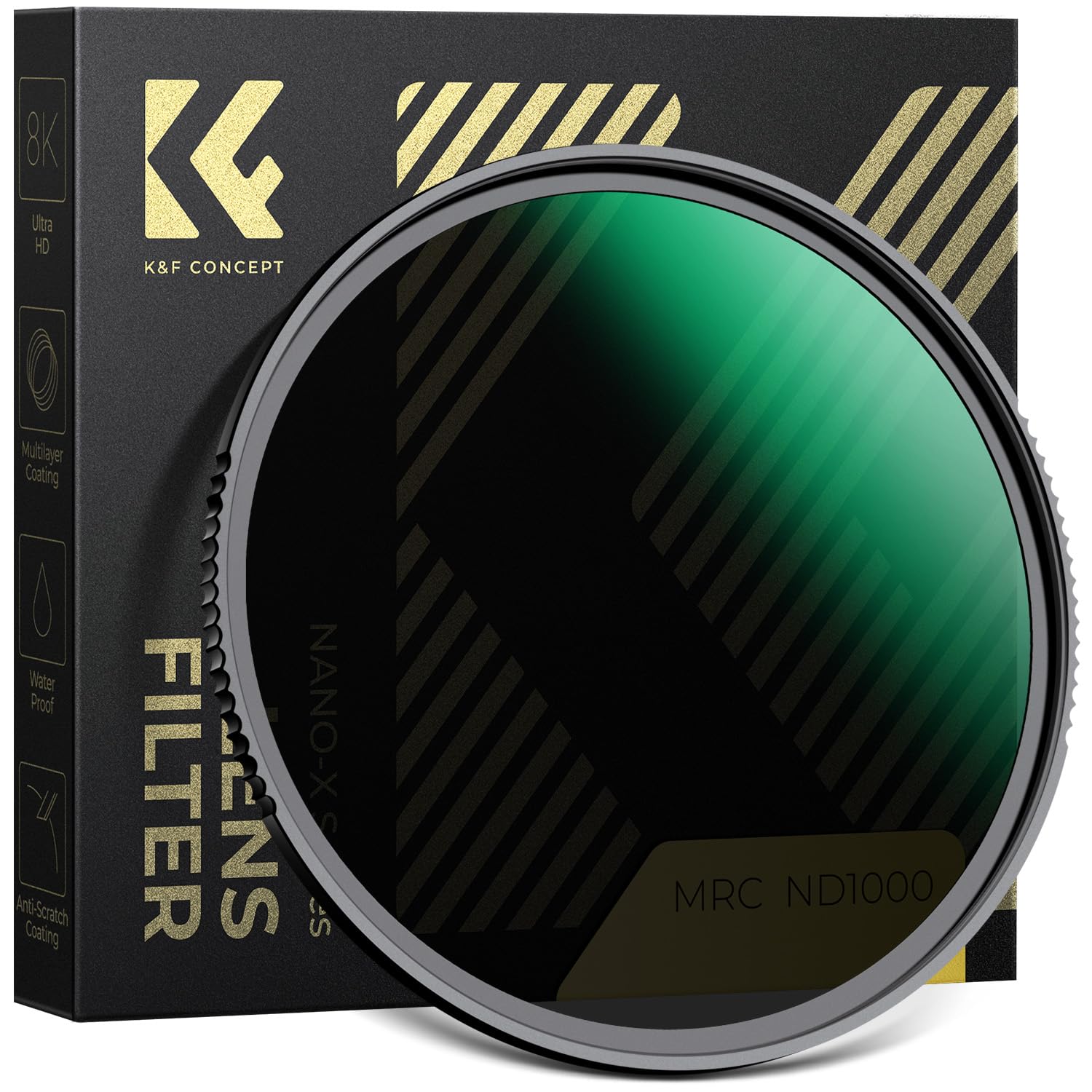
K&F Concept 58mm ND1000

91 /100
Studio Score High Confidence

Key details

Filter Type
Fixed ND1000 (10 stops)
ND Accuracy
May need WB correction
Thread Size
58mm
Coating & Flare
28-layer nano, waterproof
Check Price on Amazon

The K&F Concept 58mm ND1000 is the budget 10-stop workhorse that makes daylight long exposures accessible on 58mm lenses. Its 28-layer nano coating and Japanese AGC glass produce smooth water and streaked clouds at a price that undercuts dedicated long-exposure filters. That puts it in a different lane from the 62mm CPL leading this guide: the CPL is the everyday landscape filter, while this fixed ND is for scenes where you want motion blur in broad daylight.

The 10-stop density turns a fast-flowing waterfall into a silky blur at base ISO in midday sun, and the slim frame keeps vignetting in check on typical 58mm lenses. Coated glass also copes with glare when shooting toward the light. The CNC-machined aluminum frame gives it a solid feel in the hand when swapping filters on a tripod.

This filter suits 58mm lens owners who are testing long-exposure landscape work without committing to a premium ND. It assumes a raw-processing workflow, because color neutrality is not guaranteed in every situation and a white-balance adjustment may be needed. If you require straight-out-of-camera color for client work, or your lenses use a different thread size, this is the wrong tool.

💡 Use a tripod and remote shutter release; 10 stops of density take handholding out of the equation.

Pros

  • Machined frame and coated glass feel more expensive than the budget price suggests.
  • Produces smooth water and cloud motion in daylight without a heavy investment.
  • Slim profile limits vignetting on typical 58mm lenses.
  • Matches much costlier NDs in real output for a fraction of the cost.

Cons

  • Threads can seat tightly on some lenses, so mounting may need extra care.
  • A color cast can appear in certain lighting and may require a white-balance tweak.
Our verdict

For 58mm landscape shooters who want 10-stop daylight blur without premium pricing, this is the budget entry point.

Check Latest Price
5

Compact Entry-Level ND

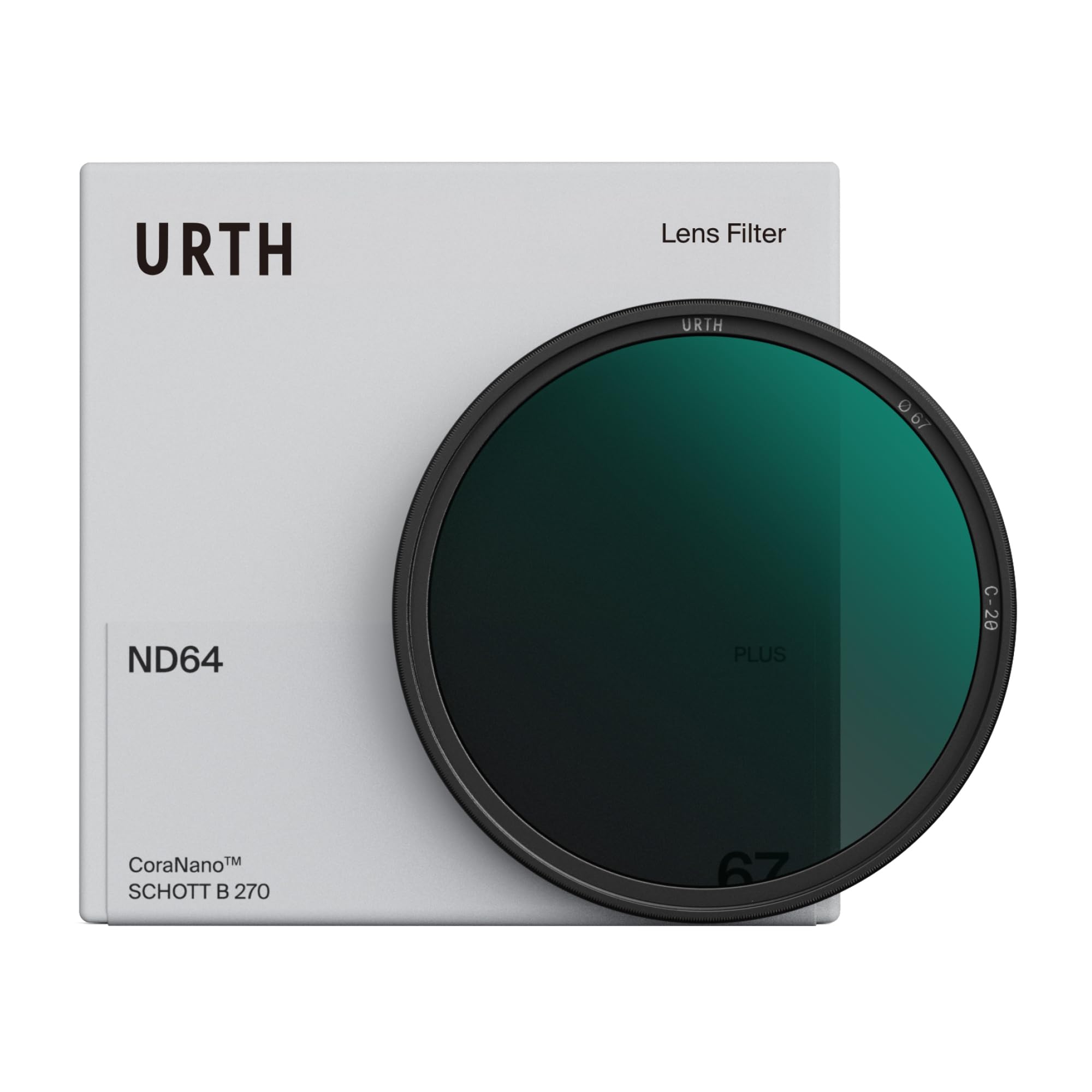
Urth 40.5mm ND64

89 /100
Studio Score Strong Evidence

Key details

Filter Type
Fixed ND64 (6 stops)
ND Accuracy
No color cast reported
Thread Size
40.5mm
Coating & Flare
CoraNano, water resistant
Check Price on Amazon

The Urth 40.5mm ND64 is a light, slim 6-stop fixed ND with SCHOTT B270 glass and a water-resistant CoraNano coating. It delivers clean long exposures on compact cameras and small mirrorless primes, keeping the whole setup as manageable as the lens itself.

This filter is built for 40.5mm filter threads, so compact cameras and select small primes are the audience. Standard 52mm or larger systems won't mount it, making the compatibility range narrow by design.

Build quality reads above the price point: the magnalium frame threads cleanly, and the water-resistant surface copes with light mist. Image quality stays neutral during daylight long exposures, with no visible color cast or vignetting across typical landscape shots.

Pros

  • Slim magnalium frame adds almost no bulk to compact camera setups.
  • Performs cleanly as a 6-stop ND for daylight and long-exposure shots.
  • Clear glass with no visible color cast or vignetting in typical landscape use.

Cons

  • It is a pure ND, so it doesn't cut glare or deepen skies the way a CPL does.
  • Six stops won't create the multi-minute daytime blur that a 10-stop ND delivers in full sun.
Our verdict

For 40.5mm shooters who want a budget-friendly entry into clean 6-stop long exposures, this filter fits the compact-lens bag without optical compromise.

Check Latest Price
6

Lens Protection, Warmth

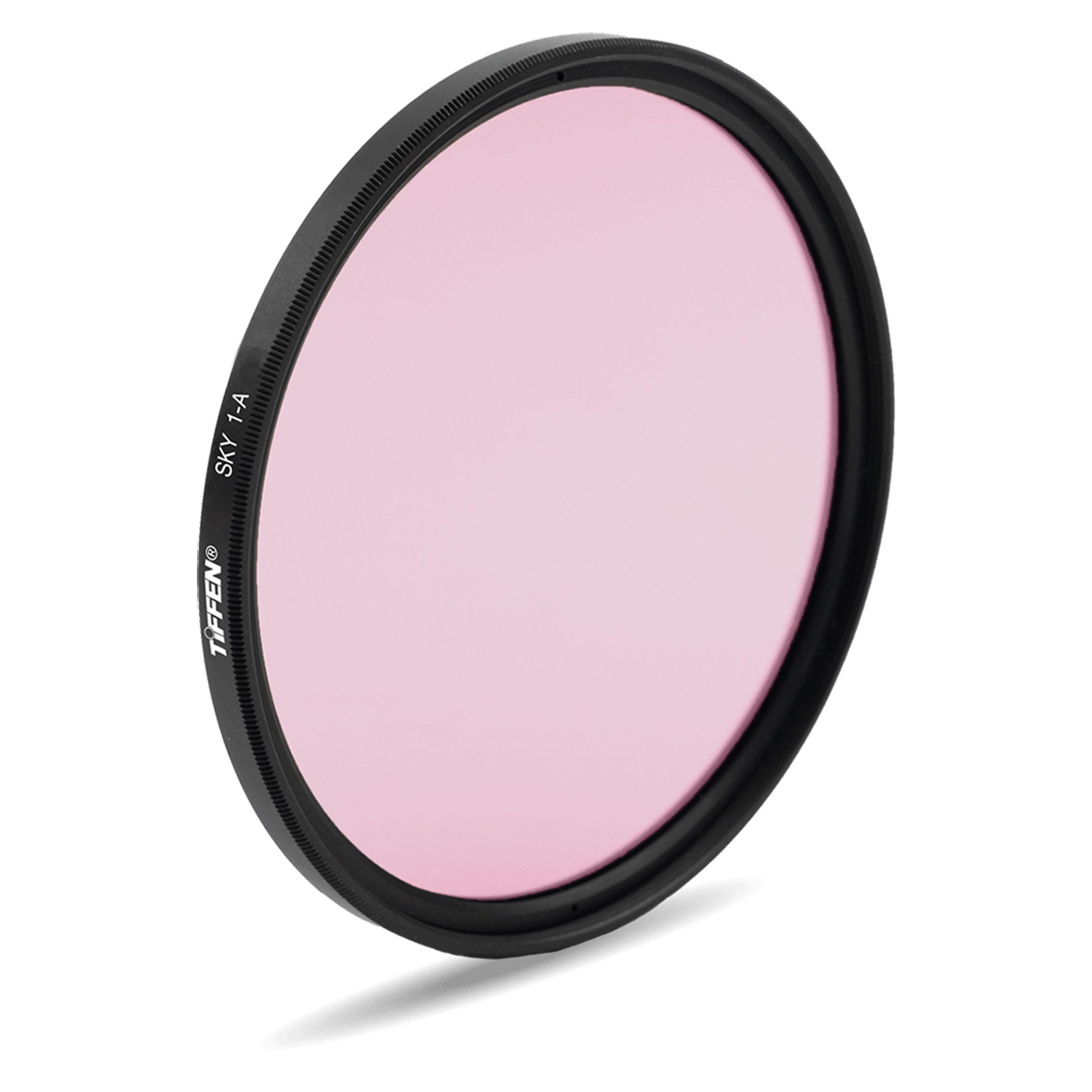
Tiffen 52mm Skylight 1-A

89 /100
Studio Score Strong Evidence

Key details

Filter Type
Skylight 1-A, warming
ND Accuracy
Thread Size
52mm
Coating & Flare
Uncoated
Check Price on Amazon

The Tiffen skylight guards the front element and adds a light pink warming cast that flatters outdoor scenes without visibly softening detail. It suits beginner landscape shooters who want affordable lens protection, film and outdoor shooters who like a subtle warm tint, and any keep-it-on-the-lens user. This is not a CPL or ND, so it cannot deepen skies, cut glare, or lengthen exposures. Uncoated optics can flare when shooting directly into the sun; pixel-peepers and regular sun-in-frame shooters will prefer a multi-coated alternative.

Pros

  • Threaded aluminum frame holds securely on 52mm lenses and suits everyday carrying.
  • Front element stays protected from scratches and light impacts.
  • Keeps photos sharp and natural-looking with the filter in place.

Cons

  • Lens flare can appear when shooting into the sun.
Our verdict

For beginner and film shooters who prioritize protection and warmth over optical extremes, this skylight fits.

Check Latest Price
7

Budget CPL Value

NEEWER 52mm CPL

89 /100
Studio Score Strong Evidence

Key details

Filter Type
Circular polarizer
ND Accuracy
Thread Size
52mm
Coating & Flare
30-layer nano
Check Price on Amazon

This 52mm CPL brings 30-layer nano coatings and a slim magnalium frame to the budget end of the filter market. Polarization control is effective for deepening skies, cutting glare on water, and boosting foliage saturation in outdoor stills. The thin frame can be hard to grip and remove, and optical consistency can vary between copies — the two reasons it sits below the smoother-handling K&F CPL for critical work. Casual landscape shooters on a 52mm budget get real polarizing value from the coating package.

Pros

  • Solid machining and multi-resistant coatings make this 52mm CPL feel more expensive than its budget price suggests.
  • Cost-effective way to try polarizing effects without the usual premium markup for coated glass on a 52mm lens.

Cons

  • Some lens caps may not stay seated on the ultra-thin frame when the filter is mounted.
  • Vignetting or softness may appear on certain lenses in some outdoor shooting conditions with this CPL.
Our verdict

For casual 52mm landscape shooters on a budget, this CPL delivers solid coating performance; pixel-peepers should look at a higher-tier CPL.

Check Latest Price
8

Video, Variable Light

NEEWER 46mm ND2-ND400

88 /100
Studio Score Strong Evidence

Key details

Filter Type
Variable ND2-ND400
ND Accuracy
X-glare at ND256
Thread Size
46mm
Coating & Flare
42-layer coating
Check Price on Amazon

This NEEWER variable ND covers a broad 1-9 stop range in a 9.5mm thin frame, which makes it a compact way to adapt exposure without carrying a stack of fixed filters. The 42-layer multi-resistant coatings help suppress reflections and flare in ordinary outdoor light, and the price leaves room to experiment with long-exposure looks before committing to a more expensive filter system.

The tradeoff is the X-glare that can appear around the ND256 setting, a known limit of budget variable NDs in strong sun. For a landscape shooter who needs predictable 6-stop or 10-stop blocking for silky water and cloud motion, a fixed ND is the safer path; this filter suits casual stills work and video on 46mm lenses where quick rotational control matters more than perfect optical neutrality.

Pros

  • One rotating filter covers a wide exposure range, reducing the need to swap glass between bright and overcast scenes.
  • The ultra-thin frame keeps it light on compact primes and mirrorless lenses with 46mm threads.
  • Entry-level pricing lowers the cost of trying variable ND without a large investment.

Cons

  • X-cross glare can appear around the ND256 setting in strong sunlight, limiting usable range on bright days.
  • Variable NDs are less predictable than fixed NDs for consistent long-exposure landscape work.
Our verdict

This fits most when you shoot 46mm stills or video and want a compact variable ND for changing light on a budget; choose a fixed ND for serious long-exposure landscapes.

Check Latest Price

How to Choose

Filter Type

Circular polarizers work by blocking scattered light at a specific angle, which is why rotating them turns sky reflections and wet-rock glare on and off. That makes a CPL the most versatile first filter for landscape work.

Fixed ND filters reduce light evenly across the whole frame, which is what lets you use slow shutter speeds in daylight. Variable NDs stack two polarizers to adjust density, but that mechanism introduces X-cross patterns and uneven vignetting at high stops. If predictable long exposures are the goal, a fixed ND is the safer tool.

Thread Size

Thread size is the diameter in millimeters printed on your lens cap or barrel. Buying the wrong size means either a step-up ring or a return.

Step-up rings add distance between the glass and the front element, which can cause vignetting on wide-angle lenses. Matching the largest lens thread you own lets one CPL and one ND cover most of your kit.

Coating Quality

Multi-coated glass reduces reflections at the surface, so it produces better contrast and less ghosting when the sun is near the frame. Uncoated filters, like a basic skylight, can flare visibly in direct sunlight.

Coating layer counts are a starting point, but real-world flare resistance depends on how the coatings are applied. For landscape use, choose multi-coated glass even on budget models.

ND Accuracy and Color

An ND filter's stop rating tells you how much light it blocks; a 6-stop ND lengthens exposure by 64 times, while a 10-stop ND lengthens it by 1000 times. Budget NDs often shift color because dense dark glass absorbs some wavelengths more than others.

Shoot raw and set a custom white balance with the filter mounted to reduce the cast. Premium NDs use higher-grade optical glass to minimize this shift, which is why color-critical shooters pay more.

Frame and Mounting

A slim frame keeps the filter closer to the front element and reduces vignetting on wide lenses. The trade-off is less surface area to grip, so ultra-thin filters can be harder to install and remove.

Look for a knurled metal rim and a rotating ring that turns with steady, even resistance. Those mechanical details determine whether the filter feels like part of the lens or a problem in the field.

Frequently Asked Questions