12 Best Drone for Fishing in 2026: Pick One That Drops Bait

Which fishing drones carry bait and scout water without flyaway risk, and which are only toy-grade cameras with inflated '4K' labels.

Most 'fishing drones' are camera drones wearing a marketing label. They can scout a cove, but they cannot drop bait unless you bolt on an aftermarket release. That distinction matters more than any spec sheet.

There is also a gap between advertised and real-world performance. The 35-minute flight time is usually closer to 25 minutes, and '4K' sometimes means stills, not video. A drone that cannot hold a signal over open water is not a fishing tool.

This guide sorts the options by what actually matters on the water: GPS return, gimbal stability, true video resolution, and whether the frame can carry a payload. You can then decide whether you want an integrated bait release or a multi-battery scout camera with an add-on dropper.

1

Best Fishing Drone

DCX Volo X EZ

82 /100
Studio Score Strong Evidence

Key details

GPS Return
Yes
Flight Time
45 min
Camera & Gimbal
4K, 3-axis
Payload Release
Built-in, 1.2 lb
Check Price on Amazon

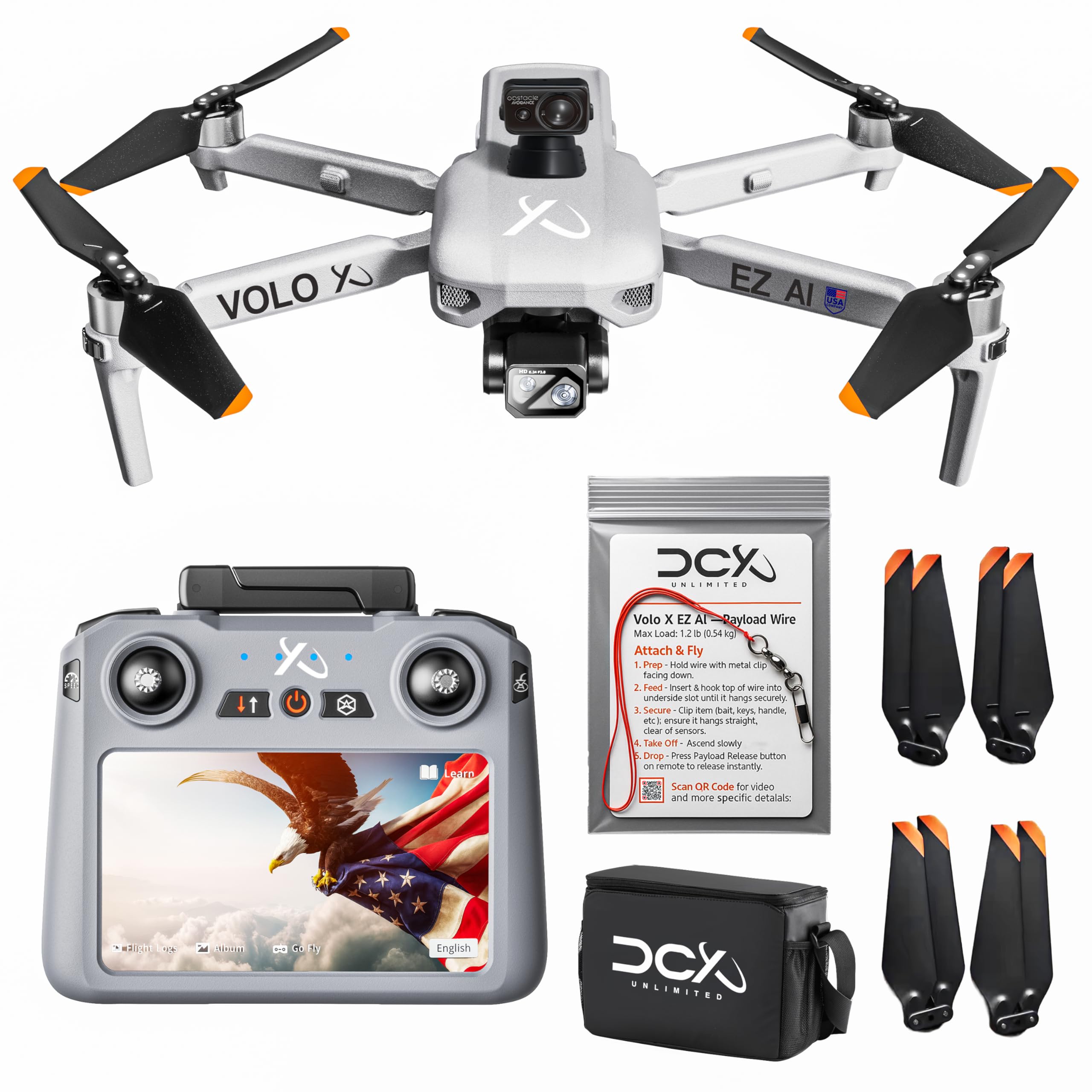
The built-in payload release is the reason this drone exists: it drops bait or a small gear pouch from the controller without an aftermarket dropper, and the 360° obstacle avoidance keeps the airframe clear of trees, dock lines, and bridge cables while you watch the water. The 4K camera and 3-axis gimbal are aimed at spotting structure and holding a steady frame, not at matching the color science of a camera-first drone.

Over open water, the platform settles into a stable hover, and the 45-minute battery plus 4-mile range leaves room to scout a cove, reposition over a spot, and make the drop without hurrying. The controller's built-in screen removes the phone-mount step from the workflow, which is a real advantage when you are splitting attention between the drone and the water below. The release trigger is simple enough that a first-time flyer can use it within the first battery.

This is for an angler who wants one out-of-the-box tool for scouting and small to medium bait drops, and who can accept a premium price for that integration. The owner community is smaller than what you get with the major camera-drone brands, so shared troubleshooting is less extensive, but US-based support and no geofencing limits offset that for private-water use. Photography-first buyers will get more camera per dollar from a standard camera drone, and budget shoppers will find the same flight features elsewhere for less.

The practical edge is that there is no homemade dropper hanging under the airframe to affect balance or block the camera. For anglers who make drops part of every outing, that integrated setup is the main reason to pick this over a camera-first alternative.

💡 Check local waterway rules for drone-assisted bait drops before relying on this as your primary rig.

Pros

  • Integrated payload release drops bait or small gear without an aftermarket dropper.
  • 360° obstacle avoidance and steady flight keep the airframe clear while positioning over water.
  • Built-in controller screen simplifies the flight loop for first-time and solo anglers.

Cons

  • Occasional camera or controller glitches can interrupt a session without warning.
  • Payload release handles about 1.2 lb, leaving heavy tackle or large bait spreads out of range.
Our verdict

Anglers who want a ready-to-fly scouting and bait-drop drone get that in a single package; the integrated release is the reason it stands apart from camera-first alternatives.

Check Latest Price
2

Best All-Around Camera Drone

Potensic ATOM 2

90 /100
Studio Score High Confidence

Key details

GPS Return
Yes
Flight Time
96 min, 3 batteries
Camera & Gimbal
4K HDR, 3-axis
Payload Release
None
Check Price on Amazon

The Potensic ATOM 2 Fly More Combo delivers 4K HDR video, an 8K stills mode, and a 3-axis gimbal inside a 249g frame. Three batteries provide 96 minutes of total airtime, which is unusual for a sub-250g drone at a mid-range price.

Flight behavior is stable in open air, and the controller is approachable for a first-time pilot. The gimbal holds horizon well while scanning water, so structure and current lines stay readable in the footage.

Anglers who mainly use a drone to scout water will get the most from the long airtime and auto-return; bait drops require adding an aftermarket dropper because there is no integrated payload release. It is not for pilots who want obstacle-avoidance automation.

Pros

  • 4K HDR video and 8K stills on a 3-axis gimbal.
  • Three-battery kit provides 96 minutes of total airtime.
  • Feature set and controls justify the mid-range price for water-scouting flyers.

Cons

  • Return-to-home can be inconsistent in some cases.
  • Manual clearance is required around docks and brush.
Our verdict

For water-scouting anglers who fit an aftermarket bait release, this is the strongest camera-and-endurance package under 250g.

Check Latest Price
3

Best Proven Beginner Drone

Ruko F11PRO 2

89 /100
Studio Score Strong Evidence

Key details

GPS Return
Yes
Flight Time
70 min, 2 batteries
Camera & Gimbal
6K photo, 3-axis
Payload Release
None
Check Price on Amazon

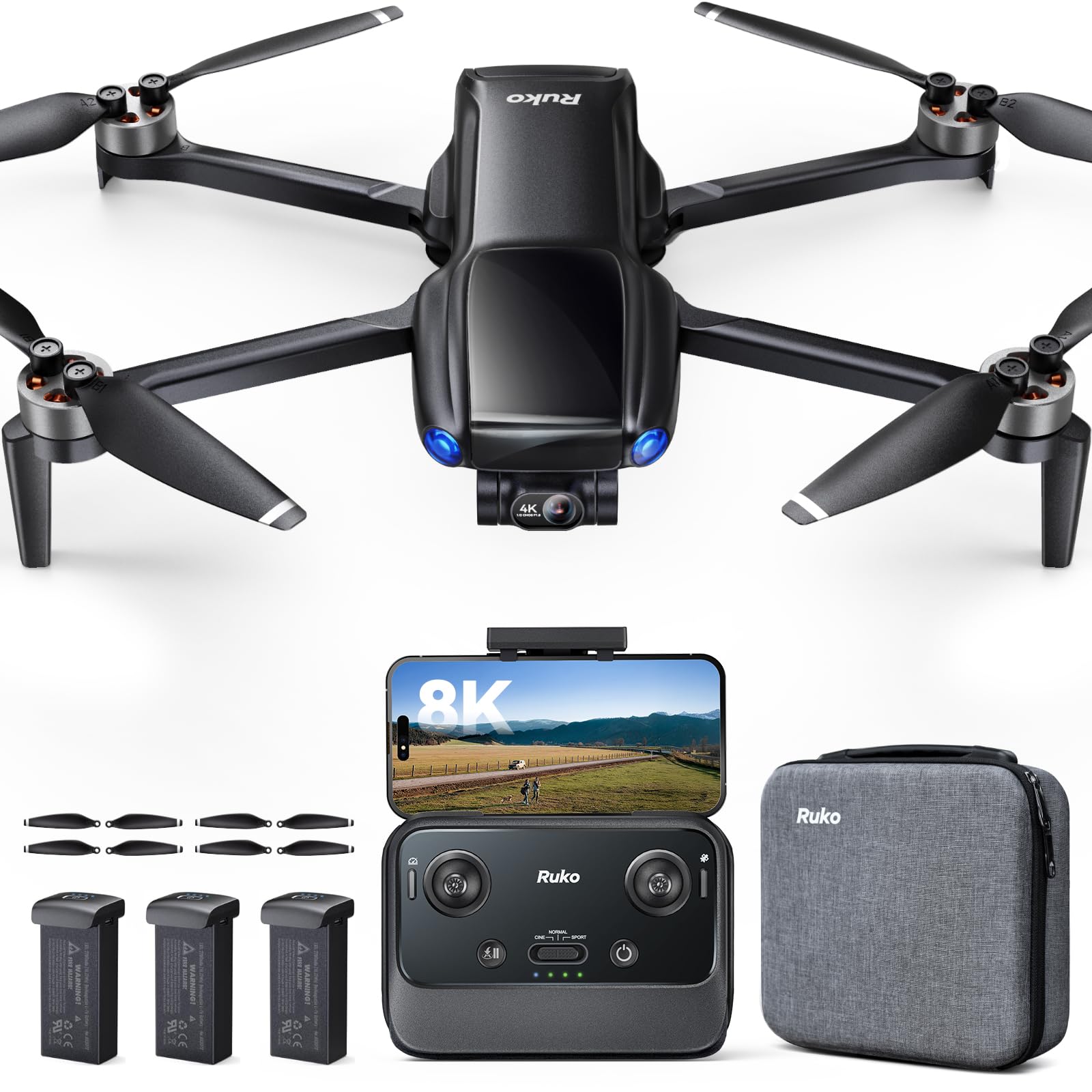
The Ruko F11PRO 2 pairs GPS auto return with a 3-axis mechanical gimbal, so new pilots get steady 4K30 video, 6K stills, and a backup when the stick signal drops. The 70-minute listed total comes from two included batteries, and the broad owner base means setup and troubleshooting answers are easy to find. For families or property owners scouting large areas, the F11PRO 2 keeps the focus on flying rather than fiddling with settings.

Anglers who need a bait drop out of the box should look at the integrated-payload model in this comparison; the F11PRO 2 has no built-in release. The 357g body also requires FAA registration, so it is not an under-249g pocket drone. That tradeoff is acceptable for first-time owners who want a stable camera scout and are willing to add an aftermarket dropper for fishing trips.

Pros

  • Beginner-friendly GPS controls and a 3-axis gimbal keep footage smooth from the first flight.
  • Broad owner base makes setup and flying tips easy to find.
  • Two included batteries give useful total airtime for a mid-range price.

Cons

  • In gusty shoreline conditions, a single battery can deliver 20-25 minutes instead of the 35-minute estimate.
  • Advertised 10,000-ft range assumes open air; around trees, metal roofs, or docks, the video feed may drop much sooner.
Our verdict

For the fishing angle, treat the F11PRO 2 as the scouting half of the setup rather than the drop half.

Check Latest Price
4

Best for Aerial Photography

DJI Mini 3

88 /100
Studio Score Strong Evidence

Key details

GPS Return
Yes
Flight Time
38 min, 1 battery
Camera & Gimbal
4K HDR, 3-axis
Payload Release
None
Check Price on Amazon

The DJI Mini 3 with DJI RC pairs 4K HDR video, True Vertical capture, a 3-axis gimbal, and the built-in-screen RC controller in a sub-249g body. The controller's display removes phone-dependent setup and gives a clearer outdoor view, which makes launching and framing shots faster. This is the premium mini camera drone in the comparison, not the entry-level DJI model.

For fishing buyers, this is a scouting and filming tool rather than a bait-delivery system: there is no payload release, so dropping bait requires an aftermarket dropper. Content creators and anglers who value camera fidelity over out-of-box bait drops are the right audience.

The 10 km transmission range and 38-minute max flight time give enough headroom for shoreline scouting, and the gimbal holds a steady horizon when wind picks up over open water. That combination makes this a stronger camera pick than the low-cost DJI alternative.

Pros

  • 4K HDR video and 48MP stills come from a sub-249g airframe that carries easily.
  • The 3-axis gimbal holds the camera level in wind, keeping water-scouting footage smooth.
  • The DJI RC built-in screen removes phone setup and simplifies launch checks.

Cons

  • The app and controller pairing can need a fresh connection between sessions, slowing a quick launch.
  • The starter kit ships with one battery; extra intelligent batteries are premium-priced, so longer outings cost more.
Our verdict

Content creators and scouting-focused anglers get DJI's camera polish and a built-in-screen controller in a carry-on drone.

Check Latest Price
5

Best Long-Endurance Sub-249G

Ruko U11MINI 4K

84 /100
Studio Score Strong Evidence

Key details

GPS Return
Yes
Flight Time
96 min, 3 batteries
Camera & Gimbal
4K, 8K photo, 3-axis
Payload Release
None
Check Price on Amazon

The Ruko U11MINI strings together 96 minutes of airtime from three batteries while keeping the body at 248g, a meaningful advantage for anglers who want to scout several spots before casting. The 4K camera rides a 3-axis gimbal, so the view stays level while you read shoreline structure or current lines. The third battery extends a morning on the water beyond a typical two-battery kit. Few mini drones offer this much total flight time without crossing the sub-250g registration threshold.

This is a scouting drone for anglers and hikers who value lightweight packing and multi-battery endurance. It is not an integrated bait-release drone, so fishing drops require an aftermarket payload release. Travelers who want registration-free 4K video across multiple batteries fit here too. That tradeoff keeps it a runner-up behind the purpose-built fishing drone in this lineup.

Pros

  • 96 minutes of total flight time across three batteries means full-day scouting without frequent recharges.
  • 4K video with a 3-axis gimbal keeps footage steady while you check water conditions.
  • At 248g, it sidesteps registration where that weight limit applies and still flies like a larger camera drone.

Cons

  • Before a full day on the water, charging can be inconsistent; a fresh battery may not hold a charge.
  • Over open water, signal loss can happen, so keep the drone within visual line of sight.
Our verdict

The U11MINI gives anglers 96 minutes of scouting airtime in a 248g package, a strong runner-up for long days on the water.

Check Latest Price
6

Best Wind-Resistant Scouting Drone

Bwine F7GIM

85 /100
Studio Score Strong Evidence

Key details

GPS Return
Yes
Flight Time
70 min, 2 batteries
Camera & Gimbal
4K, brushless 3-axis
Payload Release
None
Check Price on Amazon

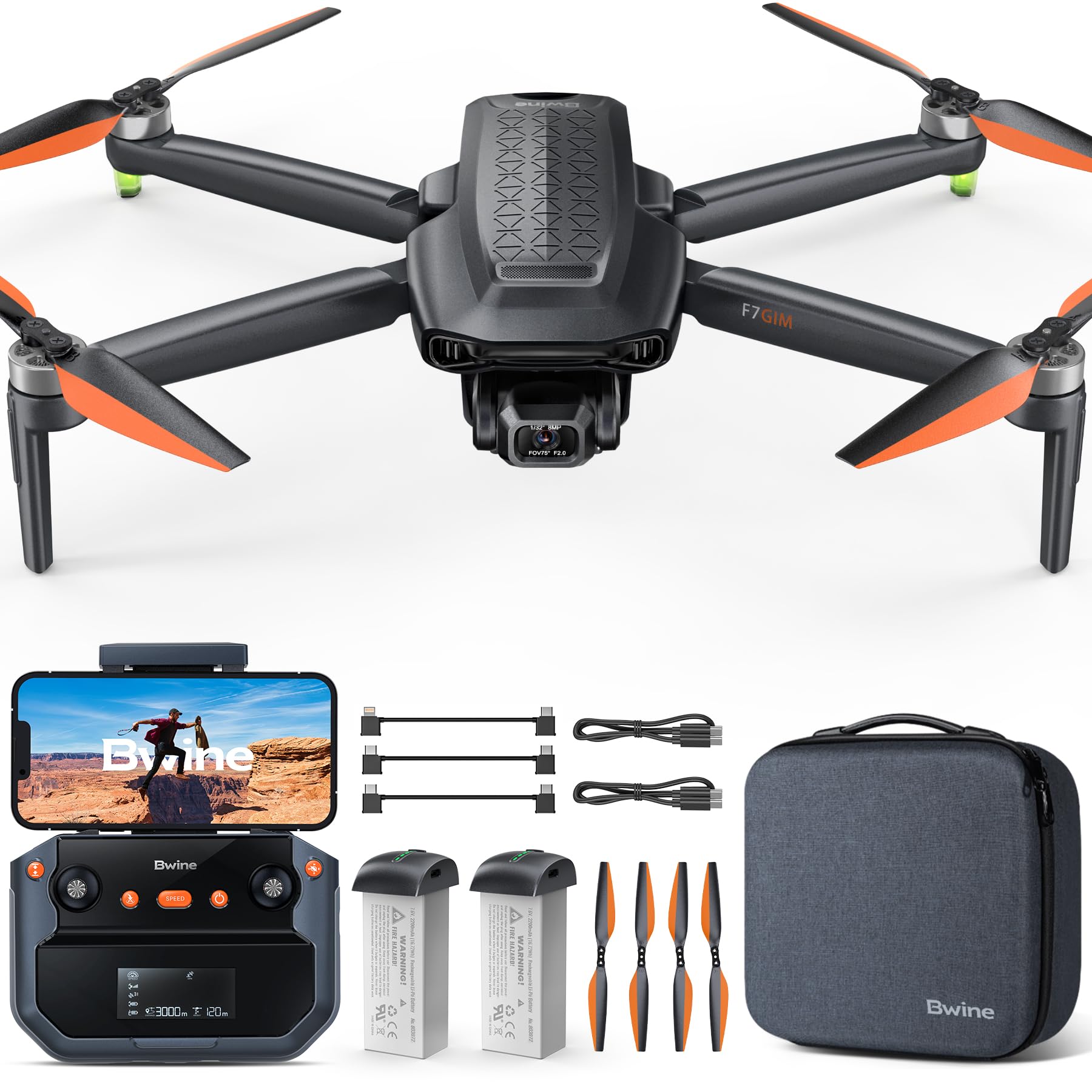
The Bwine F7GIM differentiates itself from the lighter sub-249g scout in this lineup with a 3-axis brushless gimbal, a 10,000-ft control range, and a 357g airframe that holds its position in wind. That package gives anglers and property owners a stable platform for working wind-exposed water and open land without stepping up to a heavier professional rig. Video comes through as clean 4K, and the two-battery 70-minute kit keeps scouting trips moving without constant landings. That control range matters when you are moving along a shoreline or checking a far tree line.

This fits anglers reading offshore structure and ranch owners checking ponds and pasture from a distance. The phone/app link can be finicky, and per-battery runtime can land closer to 25 minutes than the 35-minute claim, so keep spare batteries and pair the phone on the ground before launch. For these scouting-focused users, the wind stability and range make the setup quirks a fair trade.

💡 Use the 10,000-ft range conservatively and keep the drone in sight over open water.

Pros

  • Three-axis brushless gimbal keeps 4K footage smooth while scouting wind-exposed structure.
  • Crisp 4K video and 6K stills reveal fish-holding bottom contours and property details.
  • Strong value for a long-range, 3-axis gimbal drone at a mid-range price.

Cons

  • Before the first flight, the 357g weight means FAA registration is required.
  • Anglers expecting a bait drop out of the box will need an aftermarket dropper, since this model has no built-in payload release.
Our verdict

For scouting-oriented anglers and property owners who want stable, long-range aerial views without a premium price, the F7GIM covers the essentials.

Check Latest Price
7

Budget DJI Entry

DJI Mini 4K

90 /100
Studio Score High Confidence

Key details

GPS Return
Yes
Flight Time
62 min, 2 batteries
Camera & Gimbal
4K, 3-axis
Payload Release
None
Check Price on Amazon

The DJI Mini 4K pairs DJI's app polish, a 3-axis gimbal, and 4K video in a 246g frame that stays under the 249g registration threshold. Obstacle avoidance is absent, so shoreline trees require extra pilot care, and per-battery flight can settle at 20–25 minutes when wind picks up. The pricier Mini 3 adds vertical video and a screen controller; Potensic kits bundle more batteries for a modest step up.

Pros

  • DJI's app makes setup simple, and the 3-axis gimbal keeps 4K video stable in light wind.
  • The 3-axis gimbal and 4K camera produce scouting footage that looks sharp on a phone or small monitor.

Cons

  • Fishing use requires an aftermarket dropper because there is no built-in bait release.
Our verdict

For a first-time pilot who wants DJI's app and 4K gimbal while scouting water, this is the budget side of the comparison.

Check Latest Price
8

Tech Hobbyists

SKYROVER X1

86 /100
Studio Score Strong Evidence

Key details

GPS Return
Yes
Flight Time
96 min, 3 batteries
Camera & Gimbal
4K/60, 3-axis
Payload Release
None
Check Price on Amazon

SKYROVER X1 is the strongest sub-250g camera drone here for scouting structure: 4K/60 video, 8K stills, 360° obstacle avoidance, and a 3-axis gimbal produce stable footage over open water. Ease of use and stability support the fishing mission. Three-battery airtime extends scouting sessions. The price sits in DJI Mini 3 territory, which makes it a considered option against DJI's polish.

Pros

  • Flagship-grade 4K/60 video and 8K stills with a 3-axis gimbal in a 249g airframe.
  • 360° obstacle avoidance adds in-flight confidence when checking shoreline structure.

Cons

  • Battery runtime can vary between units; individual packs may land closer to 20 minutes.
  • No built-in bait release; anglers need an aftermarket dropper.
Our verdict

Best for anglers who want a premium sub-250g scouting camera and already have a payload-release plan.

Check Latest Price
9

Stabilization Hobbyists

Gleesfun G11PRO

85 /100
Studio Score Strong Evidence

Key details

GPS Return
Yes
Flight Time
70 min, 2 batteries
Camera & Gimbal
6K photo, 3-axis
Payload Release
None
Check Price on Amazon

The Gleesfun G11PRO pairs a 3-axis brushless gimbal with 6K stills and 4K30 video, giving hobbyists smooth footage without a flagship price. The 70-minute two-battery flight time suits property survey routes and longer photo sessions. The companion app can throw an error during use, a minor interruption that matters more when a flight window is short. For camera-first buyers, the stabilization and battery format make this a cost-effective mid-range option.

Pros

  • Three-axis gimbal keeps footage smooth during survey passes and hobby flights.
  • Camera produces clear 6K stills and 4K30 video for property documentation.
  • Beginner-friendly controls make it approachable for first-time gimbal drone owners.

Cons

  • Companion app can throw an error during use, so a session may need to be restarted.
Our verdict

For camera-focused hobbyists and property surveyors, the Gleesfun G11PRO is a cost-effective gimbal drone with enough airtime to cover a site. If your fishing plan depends on dropping bait from the aircraft, choose the integrated-release model in this comparison.

Check Latest Price
10

Family Beginners

REDRIE HK33

87 /100
Studio Score Strong Evidence

Key details

GPS Return
Yes
Flight Time
40–45 min, 2 batteries
Camera & Gimbal
4K stills, 2-axis
Payload Release
None
Check Price on Amazon

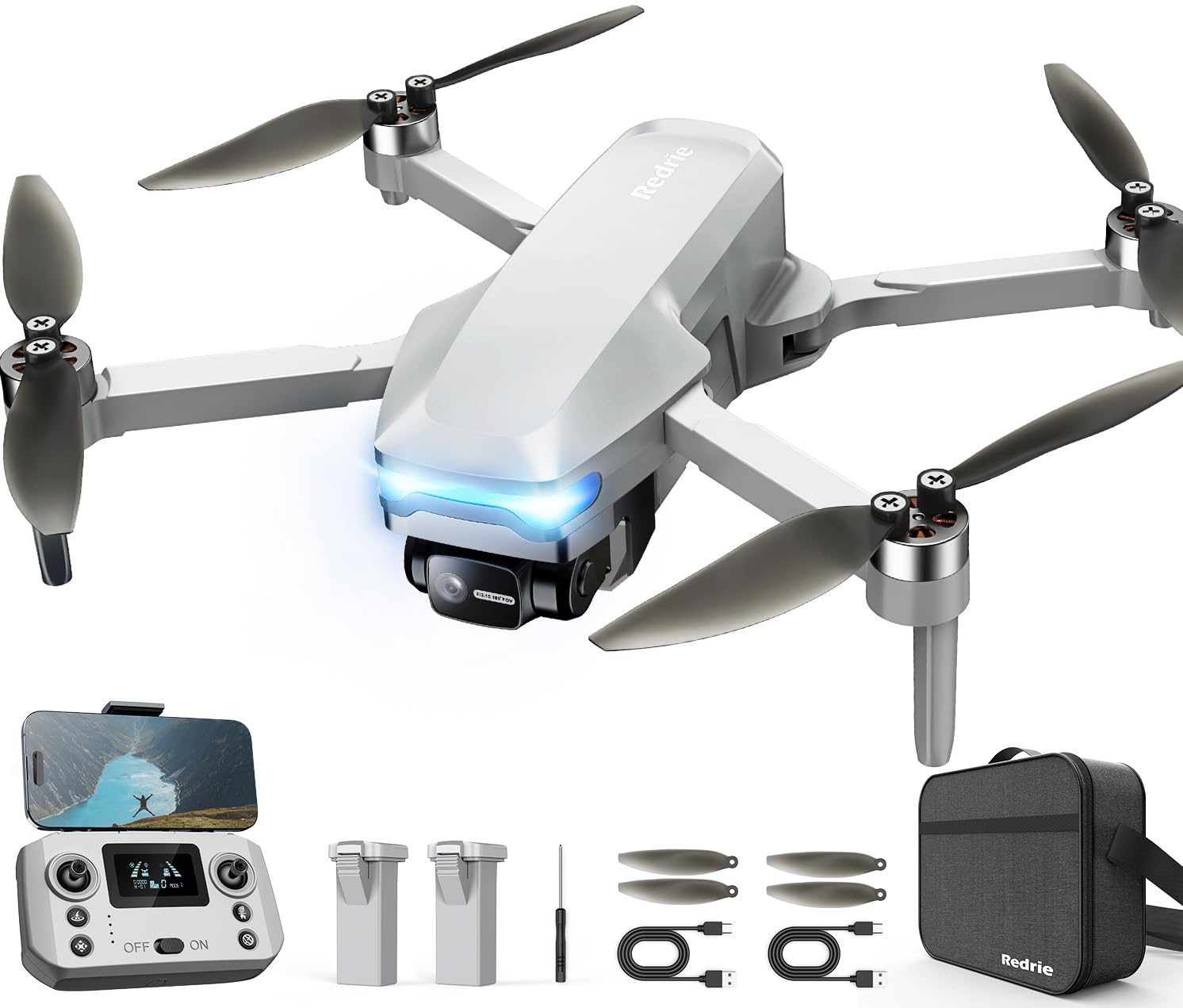
The HK33 gives families and first-time pilots a low-pressure entry to GPS flying: a 2-axis gimbal, auto return, and a sub-249g frame keep sessions simple in a backyard or park. The '4K' in the listing applies to still photos, while video records at 2K, and the 300m video range limits how far you can scout. That fits casual close-range flyers, but anglers need a different drone for water scouting.

Pros

  • Gentle controls and GPS auto return make it a less intimidating and genuinely fun first drone for kids and beginners.
  • Budget-friendly two-battery kit gives casual flyers enough airtime to learn without pressure.

Cons

  • Control-response hesitation can surface over open water, where a missed command matters more than in a backyard.
Our verdict

For a first drone used in the yard or park, the HK33 is a budget-friendly way to learn GPS flying.

Check Latest Price
11

Budget Beginners

Holy Stone HS175D

84 /100
Studio Score Strong Evidence

Key details

GPS Return
Yes
Flight Time
46 min, 2 batteries
Camera & Gimbal
4K, no gimbal
Payload Release
None
Check Price on Amazon

At this price, the HS175D covers the basic checklist for a first fishing-scouting drone on a tight budget: 4K video, GPS auto return, and a 46-minute two-battery kit. The controls are easy enough for a family to learn, and image quality is acceptable for casual footage. What keeps it from being a dependable water-scouting tool is the possibility of GPS/control inconsistency and crash durability that varies between units. Treat it as a calm-weather practice drone for the backyard, not as the primary scout for long open-water trips.

Pros

  • Entry price delivers a 4K camera, GPS auto return, and two batteries in one package.
  • Beginner-friendly controls make usable flight easy for first-time pilots and families.

Cons

  • Crashes are part of learning, and frame/body survival can vary between units.
  • Over open water, GPS/control inconsistency would be the wrong risk to take; keep this drone over land.
Our verdict

For calm-weather backyard flights and family practice sessions, the HS175D is a sensible budget starter; for scouting over open water, choose a model with more consistent GPS behavior and an aftermarket dropper.

Check Latest Price
12

Kids, Teens

BLINORY HK55

86 /100
Studio Score Strong Evidence

Key details

GPS Return
Yes
Flight Time
32 min, 2 batteries
Camera & Gimbal
2K, no gimbal
Payload Release
None
Check Price on Amazon

BLINORY HK55 gives first-time flyers a true GPS drone at an entry-level price: auto return, two batteries, and controls simple enough for kids. The 2K camera records acceptable casual footage, but there is no gimbal, so wind and movement blur shots; it is not the tool for anglers needing 4K or a payload release. Flight time can vary sharply between units, and a few minutes of airtime per battery is possible. The HK55 works as a budget practice drone, with the understanding that serious water work belongs elsewhere.

Pros

  • GPS auto-return plus an included second battery makes first flights less stressful.
  • Beginner-friendly controls let kids get comfortable without a steep learning curve.

Cons

  • Less tech-savvy users may find phone-to-drone app setup fiddly before first flight.
Our verdict

For someone working toward fishing use, the HK55 is a low-stakes trainer before upgrading to a payload-release drone.

Check Latest Price

How to Choose

GPS Return and Positioning

GPS return-to-home separates a scouting tool from a lost deposit. Budget drones advertise GPS, but antenna quality, compass calibration, and satellite lock decide whether it works. Over water, weak positioning is not a minor issue.

Look for a drone that holds a stable hover before trusting it over a lake. If the first flight feels twitchy or the home point updates late, wind and distance will only make it worse.

Flight Time and Batteries

Advertised flight times assume ideal hover conditions. Real flying over water adds wind, transmission load, and payload drag, so expect 70 to 80 percent of the claimed number.

Buy a kit with at least two or three batteries. A drone that flies 25 minutes per battery becomes a 75-minute session with three; a single-battery kit can cut a trip short.

Camera and Gimbal

Camera marketing in this category is messy. Some '4K' drones output true 4K video; others use 4K for stills and record 2K or 2.7K video. Check the video resolution line, not the title.

A mechanical 3-axis gimbal matters more than megapixels because it keeps the live view stable while you scan for structure. A fixed or electronically stabilized camera is harder to use for spotting fish.

Range and Live View

Transmission range assumes open, interference-free airspace. Near water, humidity, trees, and antenna position can cut effective range sharply.

Check whether the return-to-home threshold leaves enough range to recover from a long scouting trip. A 10,000-ft range matters less if the drone starts returning at 20 percent battery while still far out.

Payload Release

An aftermarket bait dropper can turn almost any camera drone into a fishing drone, but it adds weight, shifts the center of gravity, and usually needs a separate controller channel. An integrated payload release is cleaner for regular use.

Integrated releases still have limits. A 1.2-lb capacity handles small rigs and light weights; heavier tackle can exceed the motor's lift margin and shorten flight time.

Frequently Asked Questions