4 Best Android Phone for Photography 2026: Real Camera Value

Find the Android phone with the camera system that matches how you actually shoot, from budget stills to 5x optical zoom.

Most Android listings lead with megapixel counts, but the sensor is only part of the image. The processing platform, lens array, and software support determine whether a 50MP camera delivers photos worth keeping or just large files.

The real trade-off in this category is zoom versus price versus long-term reliability. A phone with 4x or 5x optical telephoto can replace a dedicated compact camera for travel, while a cheaper 50MP model might only suit well-lit, close-range shots.

This guide sorts through the practical differences that matter after purchase: optical zoom range, low-light performance, display quality, carrier compatibility, and battery endurance under real shooting loads.

1

Best Overall

Google Pixel 7 Pro 128GB

86 /100
Studio Score Strong Evidence

Key details

Battery
5000mAh
Display
6.7" 120Hz OLED
Main Camera
50MP main, ultrawide
Optical Zoom
5x optical
Check Price on Amazon

The 5x optical telephoto is the defining feature: it reaches farther than the value-focused sibling’s 4x lens, and Tensor G2 processing keeps long-range shots crisp instead of muddy. The 50MP main sensor and ultrawide share that same processing foundation, so moving between focal lengths during a shoot keeps color and detail consistent. That consistency matters more than any single megapixel count when you are building a photo set outdoors from one phone.

Build quality and general speed are strong points. The glass-and-metal body feels substantial, the 120Hz OLED scrolls smoothly, and the 12GB of RAM keeps photo editing apps in the background while the camera stays open.

Long-distance framing is where the 30x Super Res Zoom earns its place: subjects such as signs or wildlife stay identifiable at ranges where the 4x telephoto option begins to soften. Macro Focus adds close-up capability, so one phone can cover both a distant stage and a small object on a table. The camera app moves between modes without lag, and video retains the same natural color during daylight clips. The telephoto lens is optical, so 5x detail is captured before any software interpolation; the 30x mode is a framing tool for distant subjects rather than a replacement for optical quality.

This is the pick for Android photographers who want one kit for landscapes, street details, and reach without carrying a second device. It is not a compact phone, and the large 6.7-inch body will feel heavy in one-handed use. Buyers comparing this against the lower-priced telephoto option should know the extra zoom and newer processor are the main reasons to choose it. Screen and battery QC can vary between units, so a quick display check and charge test during the return window is worth doing.

The previous-generation telephoto phone still matches much of the stills quality at a lower price, which makes the Pixel 7 Pro’s case simple: you pay for the longer reach, Macro Focus, and the newer image pipeline. For a photography-first buyer in this Android comparison, that combination is the strongest one on the list. None of the other phones here pair a 5x optical lens with this level of image processing.

💡 Keep a USB-C charger or battery pack within reach for long shooting days.

Pros

  • 5x optical telephoto delivers the clearest long-range shots in this price bracket.
  • Tensor G2 processing keeps main, telephoto, and ultrawide color matched across focal lengths.
  • 30x Super Res Zoom holds onto usable detail at distances that soften rival phones.
  • Build feels solid and the 120Hz OLED keeps camera-roll review fluid.
  • Macro Focus adds close-up capability without switching to a separate lens.

Cons

  • During heavy multitasking, an occasional reboot or app freeze can interrupt a shoot.
  • On a long shooting day, heavy camera and navigation use can drain the battery faster than expected.
  • Under low-light panel conditions, flicker can appear on individual units; inspecting the panel early during the return period is worth doing.
Our verdict

For Android photographers who want the longest optical reach in this group, the Pixel 7 Pro delivers it without demanding a separate camera. The 5x lens and newer image pipeline define the strongest Android camera option here.

Check Latest Price
2

Best Value Telephoto

Google Pixel 6 Pro 256GB

85 /100
Studio Score Strong Evidence

Key details

Battery
4905mAh
Display
6.7" 120Hz LTPO
Main Camera
50MP main, ultrawide
Optical Zoom
4x optical
Check Price on Amazon

The Pixel 6 Pro brings a 4x optical telephoto and 12GB RAM to a price well below the current flagship, and it shares the same computational photography foundation as the top pick. The triple-lens array — 50MP main, ultrawide, and telephoto — produces strong detail across focal lengths, while the 120Hz LTPO display keeps the viewfinder and photo gallery smooth. For travel or street photography, the 4x zoom isolates subjects without sacrificing image quality.

This is for stills-first shooters who want optical zoom without current-flagship pricing. It is not for buyers who expect years of fresh Android updates or a completely uniform long-term experience; some units glitch, freeze, or reboot. If you need flawless call and Bluetooth behavior, the top pick is worth the extra cost; otherwise the camera value is exceptional.

Compared with the top pick, the 6 Pro trades newer silicon and 5x zoom reach for a significantly lower entry price. For portraits and compression-heavy compositions, the 4x telephoto hits a practical sweet spot, so the savings come with a modest capability tradeoff rather than a camera-quality downgrade. Buyers who do most of their shooting between 1x and 4x will notice little practical difference from the pricier model.

Pros

  • Triple camera with 4x optical telephoto covers main, ultrawide, and zoom shots without swapping lenses.
  • Premium glass-and-aluminum construction feels closer to current flagships than the price suggests.
  • 12GB RAM and a 120Hz LTPO display keep photo editing and gallery browsing fluid.

Cons

  • In-display fingerprint reader can be slow or finicky for some hands.
  • Battery drain can be quick for some users, especially with the 120Hz display active.
  • Cellular and Bluetooth performance vary between units; signal drops and audio disconnects can occur.
Our verdict

For stills-first shooters, the 4x telephoto and 12GB RAM make this a strong value. Buyers who need a flawless mobile radio should plan to spend more.

Check Latest Price
3

Best Samsung for Everyday Photo Enthusiasts

Samsung Galaxy A37 5G

87 /100
Studio Score Strong Evidence

Key details

Battery
5000mAh
Display
6.7" 120Hz AMOLED
Main Camera
50MP HDR main, ultrawide
Optical Zoom
None
Check Price on Amazon

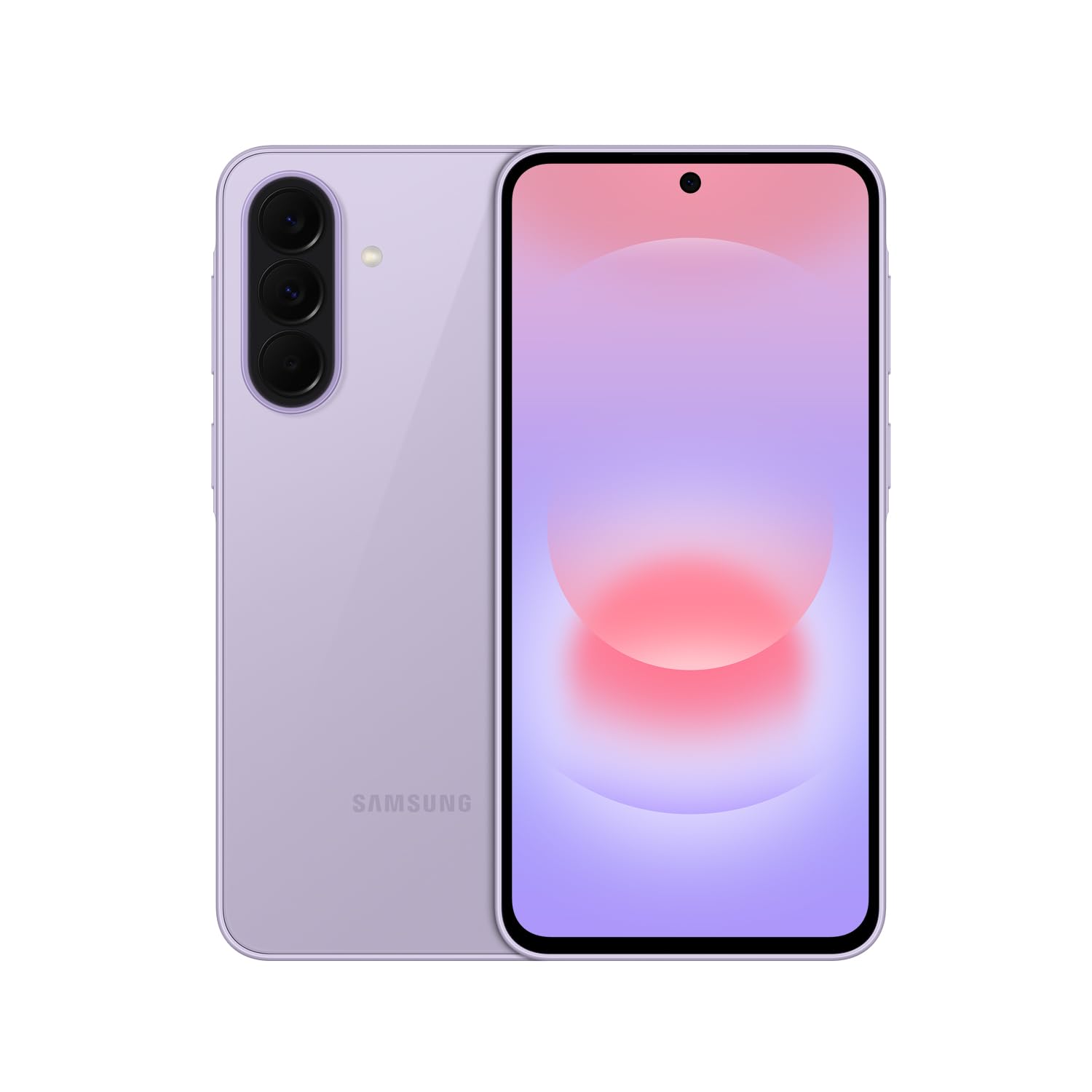
The A37 pairs a 50MP HDR main camera with Samsung's Nightography processing, bringing the same camera software language found on pricier Galaxy models to a mid-range price. The 6.7-inch 120Hz Super AMOLED keeps photo review and general navigation fluid, which matters when sorting through a large gallery.

IP68 water resistance and a well-assembled frame mean this phone does not need to live in a protective case during outdoor shoots, and the 5000mAh battery holds up through a full day of photo walks, navigation, and messaging. The main camera captures usable low-light shots without a tripod, including night scenes where cheaper phones turn noisy.

This is for Samsung fans who want modern camera software without flagship pricing, especially anyone who wants a durable, water-resistant phone for everyday photography. Those who need optical reach or heavy multitasking should look elsewhere in this comparison.

💡 Keep background apps closed when you want the interface at its quickest; One UI shares system memory across everything.

Pros

  • Nightography pulls clean detail from low-light scenes that typically challenge mid-range sensors.
  • IP68-rated body handles rain, dust, and the occasional drop without adding bulk.
  • 5000mAh battery carries through a full day of mixed photo and communication use.

Cons

  • Heavy multitasking or extended gaming can make the 6GB RAM/One UI combo feel less fluid.
  • Distant subjects rely on the main camera's digital crop instead of an optical telephoto.
Our verdict

For everyday photo walks, the A37 covers the framing that matters and adds water resistance without moving into flagship pricing.

Check Latest Price
4

GSM Budget Buyers

Samsung Galaxy A16 128GB

86 /100
Studio Score Strong Evidence

Key details

Battery
5000mAh
Display
6.7" 90Hz AMOLED
Main Camera
50MP triple camera
Optical Zoom
None
Check Price on Amazon

The Samsung Galaxy A16 4G pairs a 50MP triple camera with a bright 6.7-inch AMOLED display and a 5000mAh battery at an entry-level price, producing genuinely good stills in good light. That combination makes it a strong photography-first value for T-Mobile and GSM-based MVNOs. The catch: this international model does not support Verizon, AT&T, or CDMA networks, and some units can arrive locked or encounter activation trouble on major carriers. It also lacks US warranty support and heavier multitasking can expose the 4GB RAM limit. That keeps it from being a universal unlocked budget pick, but for the right network it is a lot of phone for the money.

Pros

  • Sturdy build quality gives the phone a dependable feel at a budget price.
  • 50MP camera produces genuinely good stills in good light.
  • Bright 6.7-inch AMOLED display makes photo review easy on the eyes.

Cons

  • Photo editing alongside the camera app can expose the limits of 4GB RAM.
  • Some units can arrive locked or encounter activation trouble on major carriers.
Our verdict

If you already use T-Mobile or a GSM provider and want the most camera and display for the smallest budget, the A16 fits once you accept the activation risk.

Check Latest Price

How to Choose

Main Camera and Processing

Look beyond megapixel count. A 50MP sensor with a weak processor can produce soft, laggy shots, while the same sensor paired with a mature image signal processor delivers sharp, well-exposed photos consistently. Google's Tensor line and Samsung's mid-range Exynos chips process images differently, so review photo samples rather than counting pixels.

Low-light performance is where processing divides phones. A larger sensor and computational night mode matter more than resolution. Buyers who shoot evenings or indoors should prioritize a phone with dedicated night processing, like Pixel's Night Sight or Samsung's Nightography.

Optical Telephoto

Optical telephoto is the single biggest upgrade for photography. A dedicated telephoto lens uses glass elements to magnify light before it reaches the sensor, preserving detail. Digital zoom crops into the same image and loses resolution quickly.

If you shoot travel, wildlife, or kids' sports, an optical zoom lens matters more than megapixels. Phones with 4x or 5x optical zoom can capture subjects 20 feet away with usable detail; phones without a telephoto lens will show soft, smeared results at similar distances.

Display Quality

The display is your viewfinder and your editing screen. A 120Hz OLED or AMOLED panel refreshes smoothly when you pan across a scene and shows accurate colors when reviewing shots. A lower-refresh display can feel sluggish when tracking moving subjects.

Brightness matters more than most buyers expect. A 1000-nit peak brightness panel stays visible in strong daylight, which helps you frame compositions on sunny days. Look for high refresh rate and high peak brightness together.

Battery Life

Camera apps are among the heaviest battery-drawing workloads. Every photo uses the sensor, the processor, and the display simultaneously. A 5000mAh battery combined with a mid-range processor tends to last longer in photo-heavy use than a 4600mAh battery with a more demanding flagship chip.

Real-world endurance varies with screen-on time and cellular signal strength. Buyers who shoot for hours while traveling should carry a charger regardless of the phone's capacity claim.

Carrier Compatibility

'Unlocked' does not mean 'works on every carrier.' International Samsung models often lack the CDMA bands used by Verizon and AT&T, and some units arrive locked to a specific carrier. Always verify the model number and network bands against your carrier before ordering.

In the US, T-Mobile and GSM-based MVNOs are the safest network for international unlocked models. Buyers on Verizon or AT&T should stick to US-version phones with proper warranty support.

Frequently Asked Questions