9 Best 8K Camera of 2026: Picks That Deliver Real 8K Detail

For anyone shopping an 8K camera, the label alone doesn't reveal sensor size or frame rate. This guide matches the right camera to your real shooting needs.

Amazon's 8K category spans tiny point-and-shoots that record 8K at 15fps and full-frame bodies built for professional production. That gap means the 8K label tells you very little about detail or motion quality. This guide sorts those products by what they can actually do, so you can pick the one that fits your shooting style.

The main fork is between hybrid photography and action or 360 video. A full-frame mirrorless body adds 45MP stills and 8K video, but it costs luxury-tier money and may overheat on long takes. An action or 360 camera puts 8K in a rugged, affordable package, but it cannot replace a general stills camera.

Once you match the form factor to your shooting day, the useful details are sensor size, frame rate, stabilization, and battery behavior. Those specs decide whether 8K footage stays sharp in motion and low light, and whether the camera works as a daily tool or only in short bursts.

1

Best Overall 8K Camera

Canon EOS R5

92 /100
Studio Score High Confidence

Key details

8K Spec
8K RAW, 45MP
Frame Rate
8K30
Form Factor
Full-frame mirrorless
Check Price on Amazon

The EOS R5 is a full-frame hybrid that pairs a 45MP sensor with Dual Pixel CMOS AF with Eye Control, 5-axis IBIS, and 8K capture in one body. Still-image sharpness and color are strong enough for event and wedding work, and the 12fps mechanical / 20fps electronic burst rates track moving subjects. The 45MP stills also leave cropping room for reframing in post, which matters when a prime lens is already on the body.

The AF behavior is what makes the body feel fast: Eye Control holds faces and eyes through recomposition, so fewer keepers are lost to focus misses. At 20fps electronic burst the camera stays quiet, and IBIS steadies handheld work more than an unstabilized body. Custom modes also let a shooter jump between a stills setup and a video setup without digging through menus.

Video modes push past the 8K checkbox on the spec sheet. The sensor records 8K RAW, 4K reaches 120fps for slow motion, and the full-frame readout keeps the lens character and dynamic range intact. Internal 8K RAW gives colorists latitude in post, while a stills shooter can treat 8K as a high-res capture mode rather than a separate cinema workflow.

Professional hybrid photographers, event and wedding shooters, and enthusiasts who want one body for stills and 8K video are the buyers this makes sense for. The R5 is not aimed at creators whose primary need is unlimited continuous 8K recording; that workflow belongs to an actively cooled cinema hybrid in this lineup. For these buyers, the R5 replaces the need to carry a separate stills camera and a separate video camera, and the image quality stays consistent across both.

Elsewhere in this 8K lineup, action cameras offer immersive reframing and budget models use 8K as a headline spec. The R5 stands apart with a full-frame lens ecosystem, professional autofocus, and a stills-first body that also records high-res video. Body-only packaging means the final investment depends on the RF glass you already own or plan to add, and the premium price points budget-minded buyers toward a cost-effective action cam instead.

πŸ’‘ Map a custom mode to 4K 60 for long interviews and keep 8K for deliberate cinematic shots.

Pros

  • 45MP full-frame sensor produces sharp, color-accurate stills while doubling as a high-res video capture camera.
  • Dual Pixel CMOS AF with Eye Control keeps faces and eyes locked on during portraits, events, and action.
  • 5-axis IBIS plus 12fps mechanical and 20fps electronic bursts cover handheld shooting and fast subjects.
  • 8K RAW internal and 4K at 120fps deliver real high-res and slow-motion tools in a stills-first body.

Cons

  • Body-only purchase leaves the total investment dependent on RF glass, so budget-minded 8K buyers should factor in lenses.
  • Extended 8K and high-bit-rate 4K recording can hit overheating limits, so high-res video needs planned shots.
Our verdict

The R5 is the one 8K camera here that is also a primary professional stills body; hybrid shooters get a single system for both.

Check Latest Price
2

Best 360 Action Camera

Insta360 X4

95 /100
Studio Score High Confidence

Key details

8K Spec
8K 360, dual lens
Frame Rate
8K30
Form Factor
360 action cam
Check Price on Amazon

The full-frame hybrid at the top is the pick for photographers who want 8K video alongside stills. The X4 takes the opposite route: it records the entire sphere in 8K, so the frame happens after capture. FlowState stabilization smooths handheld runs and bike rides, and 10m waterproofing covers beach and pool sessions without a housing. Unlike a conventional action cam, you don't need to point the lens at the subject; the subject is always in frame.

This suits travel and action creators, family adventure shooters, and anyone who wants shoot-first, reframe-later video. The phone app's AI-guided editing turns 360 footage into standard clips without a steep learning curve. Traditional stills photography is a boundary: this is a video-first 360 camera, not a hybrid stills body. The tradeoff is the exposed 360 lenses: clip-on guards add protection but soften fine detail, so in dusty or rocky settings the camera requires more care than a conventional action cam.

The touchscreen menus are clear, and switching between 360, single-lens, and MaxView modes takes a couple of taps. 8K resolution leaves ample room for reframing, while lower record modes stretch battery life and storage when you need longer takes. Horizon Lock keeps the output level through spins and mounting quirks.

πŸ’‘ Attach lens guards only when you expect dust or impact; otherwise the bare lenses give the clearest image.

Pros

  • 8K 360 capture records the full scene, so you can frame the shot after the moment happens.
  • FlowState stabilization and Horizon Lock keep handheld and motion footage smooth and level.
  • AI-guided editing in the phone app turns 360 footage into standard clips quickly.
  • Waterproof to 10m without a housing, so pool and surf sessions stay simple.

Cons

  • Battery runtime consistency can vary between units, so a long recording session may end sooner than expected.
  • Exposed 360 lenses can scratch or crack in rough environments; clip-on guards reduce the risk but soften image clarity.
Our verdict

For travel and action clips you want to reframe later, this is the 8K 360 camera to start with at a mid-range price.

Check Latest Price
3

Best for Long-Form 8K Video

Canon EOS R5 C

88 /100
Studio Score Strong Evidence

Key details

8K Spec
8K RAW, 45MP
Frame Rate
8K60
Form Factor
Cinema mirrorless
Check Price on Amazon

The R5 C records 8K/60 internally without the heat-related recording limits of the stills-first hybrid, and the built-in fan is the reason. The same full-frame platform is refocused around video: XF-AVC, MP4, and 4:2:2 10-bit recording support a cinema workflow, and the controls follow that logic. This makes it the long-form 8K option for shooters who treat the top pick as a photo-first body.

The 45MP full-frame sensor captures clean 8K, and oversampling keeps 4K delivery sharp for editors who want a 4K finish. Dual Pixel CMOS AF keeps focus on moving subjects, which covers the run-and-gun shooting style this body is built around. The body stays compact for a cinema tool, so a gimbal or handheld rig remains manageable.

This is for professional videographers and hybrid shooters whose primary output is long-form 8K. The body is built for video-first operation, so stills-only photographers and casual users should start with the all-round top pick. Anyone shooting 8K for full sessions should budget for extra batteries or a battery grip; a single cell may not cover the work.

Pros

  • Built-in fan keeps 8K/60 recording continuous without a shutdown clock.
  • 8K oversampling produces clean, detailed 4K from the full-frame sensor.
  • Cinema-focused recording features fit a smaller and more attainable body than dedicated cinema cameras.

Cons

  • 8K recording can drain a battery quickly, so a single battery may not cover a full session.
Our verdict

For working videographers who need continuous 8K/60 in a full-frame body, this is the focused alternative to the top hybrid. Leave stills-first duties to the all-round pick.

Check Latest Price
4

Best Traditional Action Camera

DJI Osmo Action 6

90 /100
Studio Score High Confidence

Key details

8K Spec
8K, 1/1.1-inch
Frame Rate
8K30
Form Factor
Waterproof action cam
Check Price on Amazon

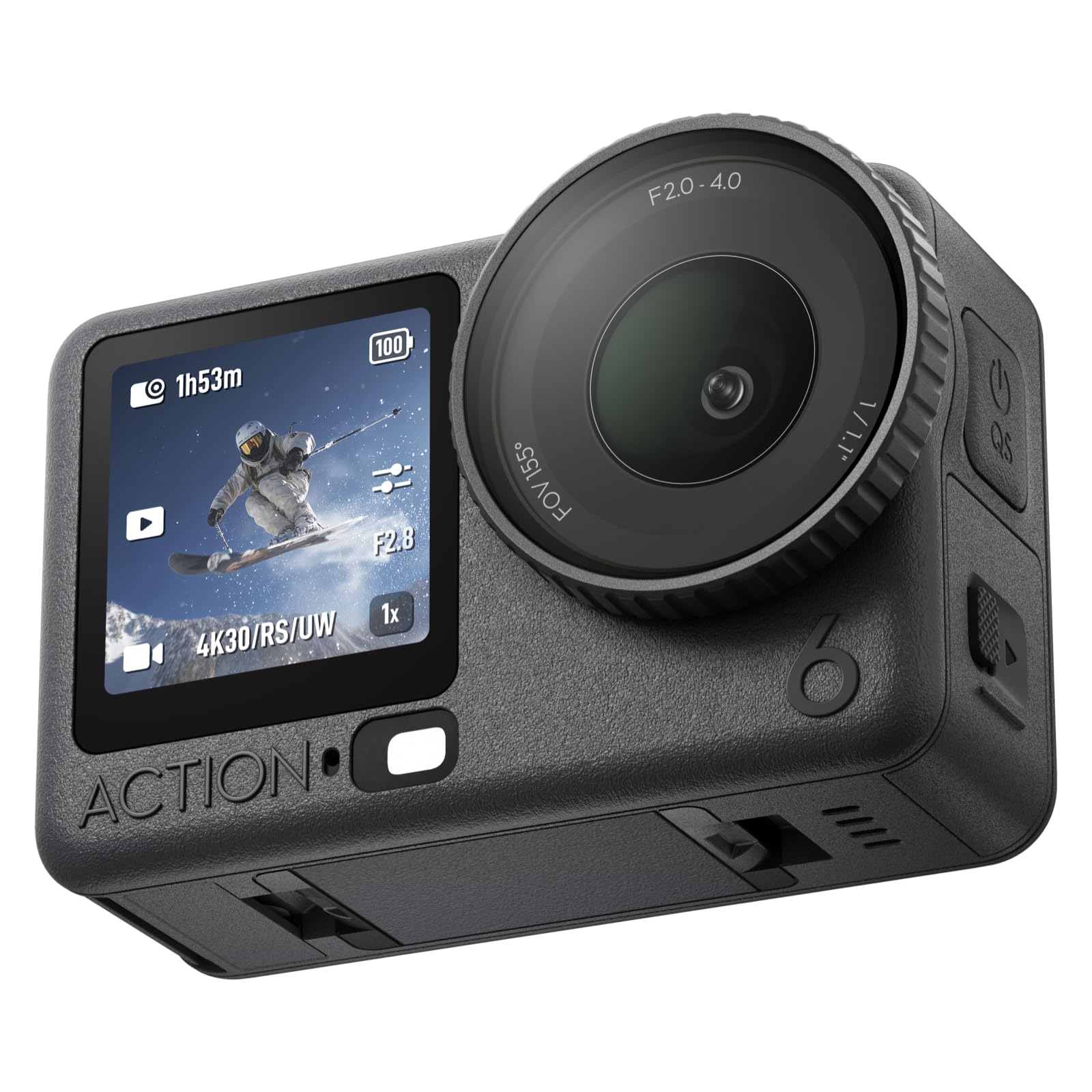
The DJI Osmo Action 6 is the conventional action-cam answer in this 8K roundup, pairing a 1/1.1-inch sensor with true 8K capture and RockSteady 3.0 stabilization in a waterproof body. High-impact footage stays level through hand-held shake and body movement, and the camera handles surf, snow, and rain without a housing. Its fixed-lens design trades post-capture reframing for a smaller, simpler waterproof package.

The compact body fits a jacket pocket, controls work with gloves, and 50GB of built-in storage plus up to four hours of battery life cover long dive days or multi-stop travel shoots. The variable f/2.0-f/4.0 aperture gives exposure flexibility in bright and dim conditions, and video stays crisp and vibrant across the frame.

This is for travel vloggers, divers, and action-sports shooters who want a rugged 8K camera with strong stabilization and the DJI audio ecosystem's mic integration. It is not a stills-first tool or a budget pick; the full-frame hybrid in this roundup handles photo work, and budget action-cam buyers should look elsewhere. The tradeoffs sit at the workflow edges: punch-in zoom is mode-dependent, and firmware consistency can shift from unit to unit β€” less critical for the action-sports core, but live-streamers should check their copy first.

Pros

  • Crisp, vibrant video with strong stabilization keeps handheld and mounted shots steady.
  • Compact body with direct controls fits a jacket pocket and works with gloved hands.
  • Solid value for a rugged, waterproof action camera in the premium tier.

Cons

  • When you need to zoom while recording, some modes lock it out.
  • Live-streaming sessions can be cut short by an occasional freeze.
Our verdict

The Action 6 is the 8K action-camera pick for shooters who want strong stabilization, waterproofing, and clean video without carrying a full-frame kit.

Check Latest Price
5

Best Budget Vlogging Camera

AUREAPIX DC105

86 /100
Studio Score Strong Evidence

Key details

8K Spec
8K / 96MP
Frame Rate
β€”
Form Factor
Flip-screen compact
Check Price on Amazon

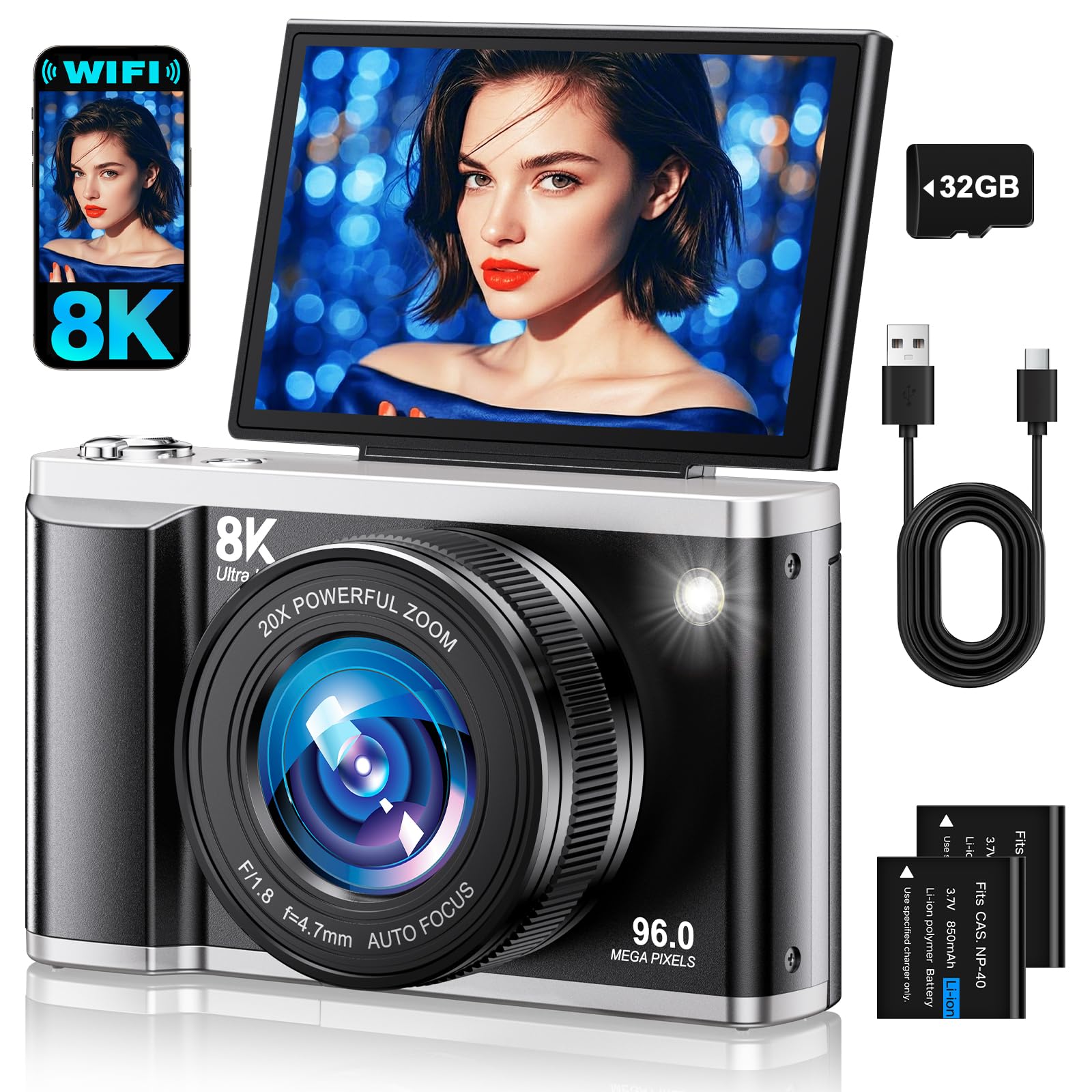
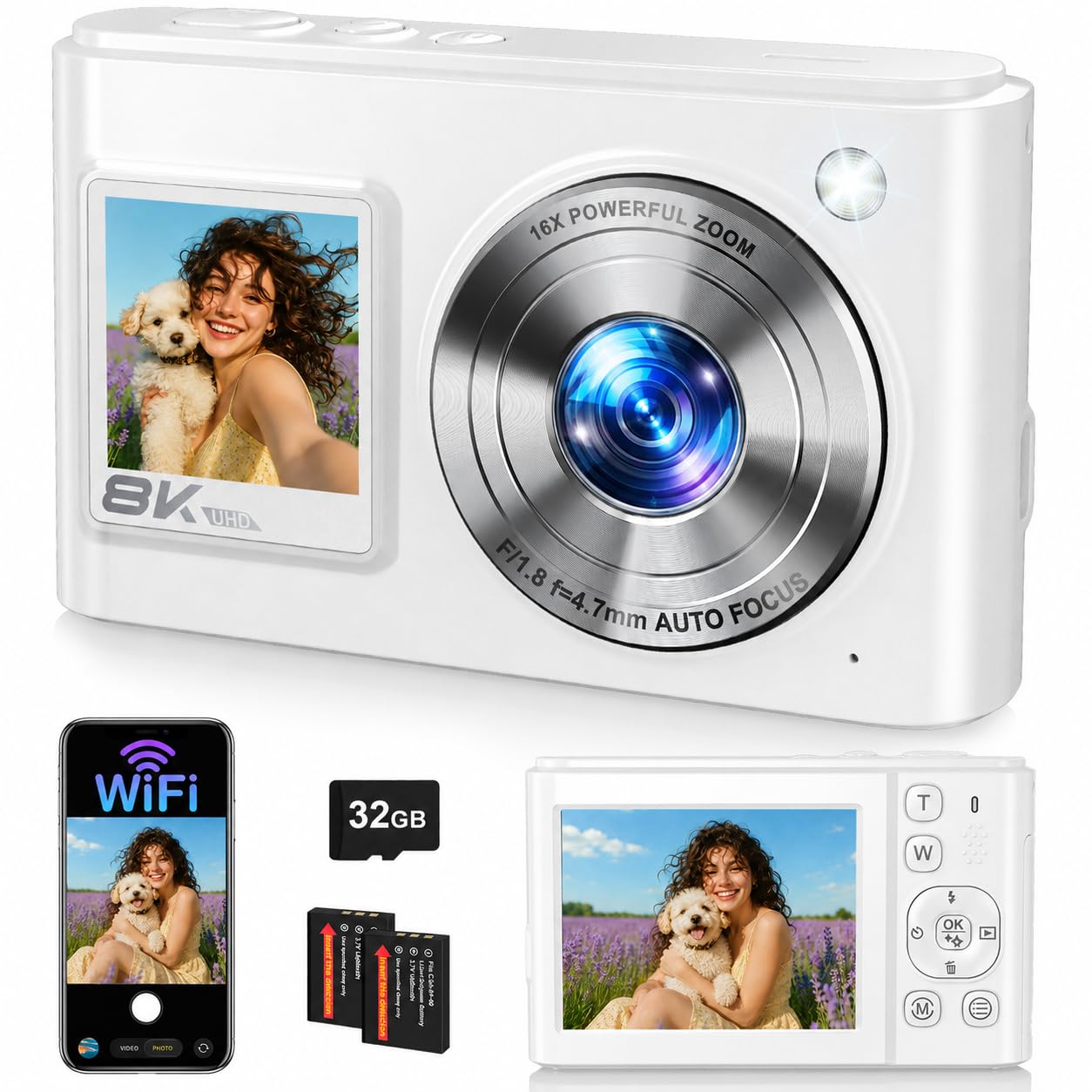
The AUREAPIX DC105 is a selfie-first vlogging camera: the 180-degree flip screen, autofocus, WiFi file transfer, 32GB card, and two batteries come in the box, so a first-time YouTuber can begin recording without tracking down extras. The 3.5-inch LCD faces forward cleanly, and the f/1.8 lens gives the small sensor a usable view of ordinary room light. Autofocus and WiFi work without a steep learning curve, which makes the first session about content rather than setup.

This setup suits beginner vloggers, selfie-first creators, and budget travel shooters who want one compact body for phone-style uploads. Low-light specialists and professionals needing interchangeable lenses will find better options among larger-sensor hybrids, and the 8K mode is best understood as HD/4K-class social-media quality, not cinema 8K. For YouTube and Instagram clips, the output stays clear and sharp; the limit shows when you expect large-sensor detail or heavy grading room.

Autofocus keeps subjects in frame while the screen is flipped, WiFi moves files to a phone for quick posting, and the compact size slides into a travel bag. The included second battery extends recording beyond a single charge, and the accessories are useful rather than filler. Value is the strongest suit here: the controls are easy enough for a first camera, and the kit covers the usual starter purchases.

Pros

  • Clear, sharp image and video output ready for social uploads.
  • 180-degree flip screen makes solo vlogging and selfie framing natural.
  • Complete kit with memory card and two batteries removes first-purchase friction.
  • Autofocus, WiFi, and compact size suit beginners moving to a dedicated camera.

Cons

  • The 20x zoom is digital; using it for distant subjects loses sharpness.
  • The bundled 32GB card fills quickly with 8K clips; longer shoots need a spare card.
Our verdict

The AUREAPIX DC105 is the budget vlogger's ready-to-record package: flip screen, autofocus, WiFi, and all the accessories in one box. For selfie-first beginners, this is the pick when the full kit matters more than the lowest entry price.

Check Latest Price
6

Premium 360 Upgrade

Insta360 X5

92 /100
Studio Score High Confidence

Key details

8K Spec
8K 360, dual sensor
Frame Rate
8K30
Form Factor
360 action cam
Check Price on Amazon

The X5 is the 8K 360 option that pairs dual 1/1.28-inch CMOS sensors with replaceable scratch-resistant lenses, and that combination gives low-light footage a visible step up from the previous 360 model. The full-frame hybrid above it remains the better all-around stills camera; the X5 instead offers immersive capture, FlowState stabilization, and the invisible-selfie-stick effect at a substantially lower price.

8K30 spherical video leaves enough detail for cropping and reframing in post, and the AI-assisted editing keeps that workload manageable. Menus respond quickly, and the app's editing suggestions turn raw 360 files into shareable clips without a desktop session. Low-light scenes stay cleaner than earlier 360 capture, with less noise in shadows and more usable color.

This is aimed at serious 360 creators who shoot travel, action, and vlogs and want low-light capability without moving to a full-frame body. It is not the budget 360 pick, and traditional stills-first photographers should treat it as a video tool rather than a camera replacement. Sustained 8K recording can stop early due to heat, and battery life varies with resolution and temperature, so bring spares for long sessions.

Pros

  • Strong 8K 360 video with clearer low-light scenes than the previous-generation 360 model.
  • Fast menus and AI-assisted editing cut the 360 reframing workload significantly.
  • Solid build, FlowState stabilization, and replaceable lenses protect the main investment.

Cons

  • Budget-minded 8K buyers can get the same 360 format for less with the previous-generation model.
  • For stills-first shooters, 360-mode photos need a reframing pass before they look like ordinary frames, slowing export workflow.
Our verdict

Serious 360 creators who shoot 8K in mixed light get the low-light upgrade and replaceable-lens security this category has been missing. The full-frame hybrid above it remains the pick when stills matter more than immersion.

Check Latest Price
7

Beginner YouTubers

FlyFrost HDV-255K

84 /100
Studio Score Strong Evidence

Key details

8K Spec
8K / 88MP
Frame Rate
8K15
Form Factor
Camcorder kit
Check Price on Amazon

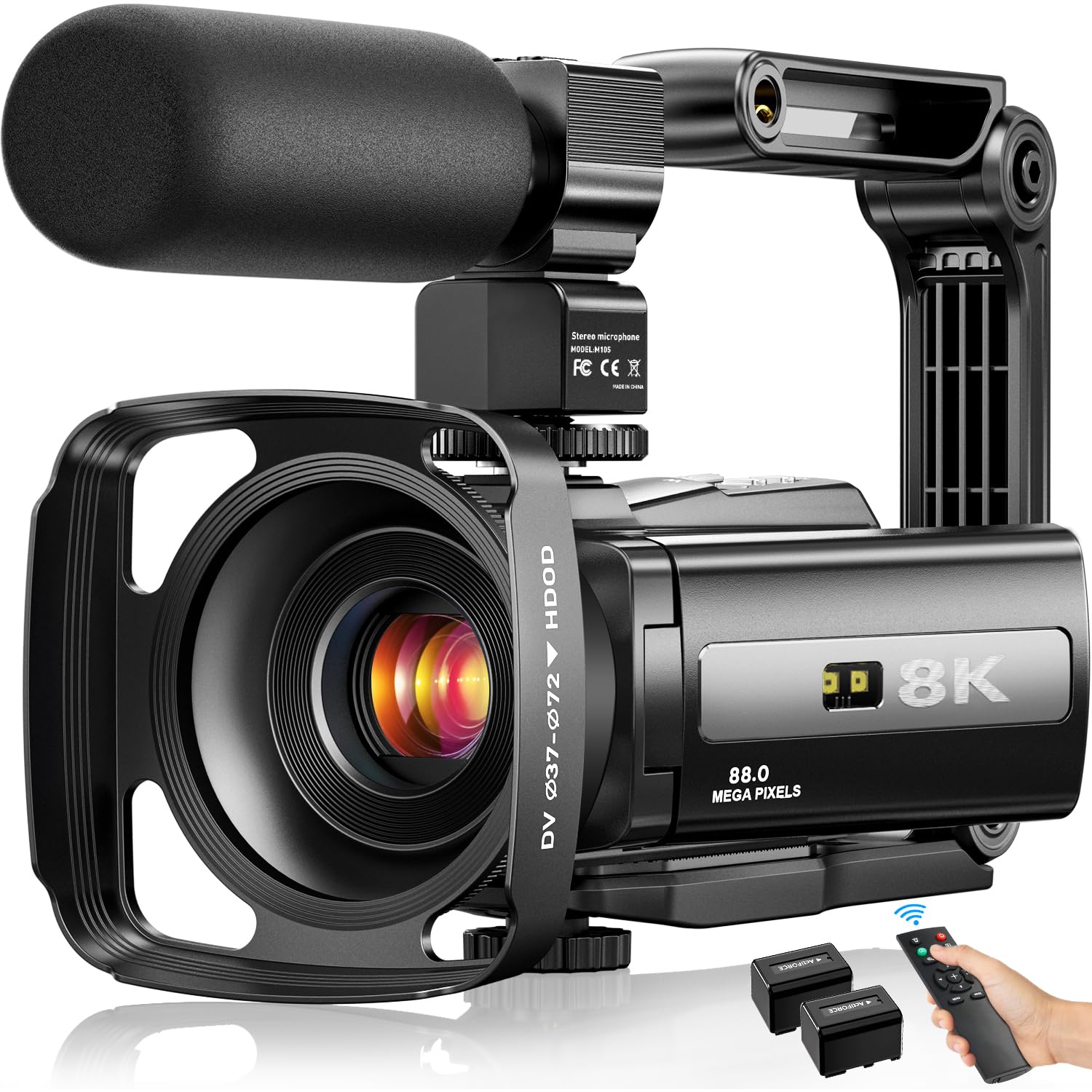
FlyFrost bundles everything a first-time creator needs: microphone, stabilizer, remote, two batteries, 18x digital zoom, and a 3-inch touchscreen. The 8K mode records at 15fps on a small sensor, which makes fast motion look choppier than lower-resolution modes and places it as a beginner camcorder rather than a serious 8K tool. Professional cinema workflows are outside its reach; the kit is best treated as a family-event and early-YouTube starter. In good light, the touchscreen keeps recording simple, and the included gear removes the usual extra purchases.

Pros

  • Complete kit with microphone, stabilizer, remote, and two batteries covers the basics for a first camera.
  • Sharp video in good lighting, plus a touchscreen that keeps operation simple for new users.
  • For the price, the usable video quality and included package exceed typical entry-level expectations.

Cons

  • In dim rooms, footage can soften; plan for daylight or bright indoor scenes.
Our verdict

For family events and early YouTube projects, this kit is a practical first video camera without the usual extra purchases.

Check Latest Price
8

Travel Snapshots

LOUM VE418

88 /100
Studio Score Strong Evidence

Key details

8K Spec
8K / 88MP
Frame Rate
β€”
Form Factor
Pocket dual-lens
Check Price on Amazon

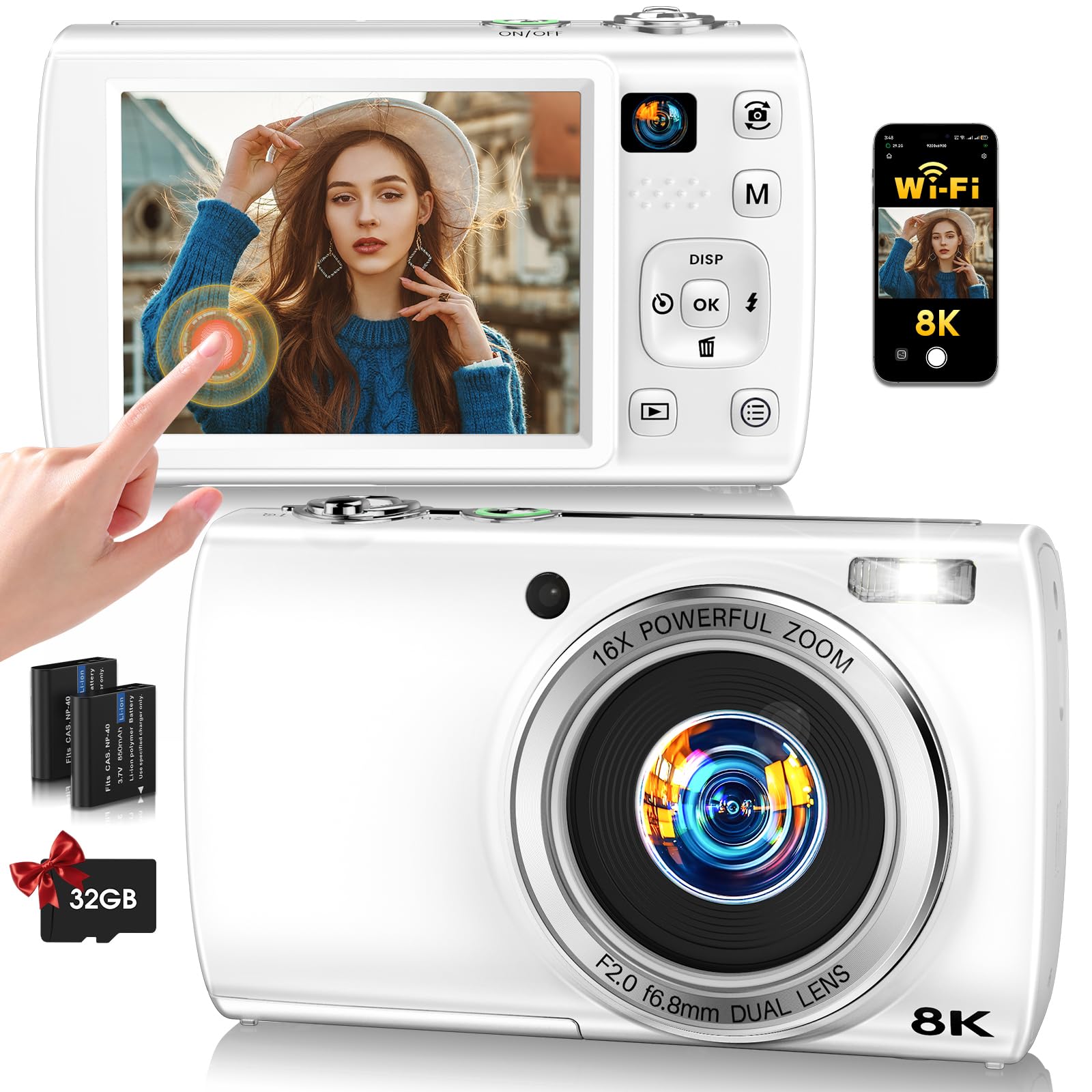
The LOUM VE418 is a dual-lens pocket camera built around convenience: front and rear lenses make selfie-style framing easy, and the included 32GB card plus two batteries get a first-time owner shooting right away. Sharpness in normal daylight use holds up well at this price, and the compact body is easy to carry every day. The budget sensor and 15fps 8K cap keep it below the action and mirrorless tiers, so treat 8K as a short-clip feature rather than a production format.

Pros

  • Front and rear lenses and a pocketable body make selfie framing and carry-everywhere shooting easy.
  • Included 32GB card and spare battery get a first-time buyer shooting with no extra purchases.
  • Normal-use image quality and build feel punch above the budget price point.

Cons

  • No external microphone input, so audio-first vloggers will need a separate recorder.
  • Battery runtime per charge can be short; the bundled spare battery makes full-day outings workable.
Our verdict

For families, students, and travel shooters who value grab-and-go convenience over action specs, the VE418 fits.

Check Latest Price
9

Kids and Teens

Zostuic DC325

88 /100
Studio Score Strong Evidence

Key details

8K Spec
8K / 96MP
Frame Rate
β€”
Form Factor
Dual-screen compact
Check Price on Amazon

The Zostuic DC325 is the lowest-priced dual-screen 8K-labeled camera here, and its front and rear screens plus fast autofocus make it an easy first-camera choice for kids, teens, and selfie shooters. The kit lands ready to use: a 32GB card, two batteries, and a pocketable body mean no extra purchases before a first trip. Daylight stills and video come out sharp and colorful, which is what a new buyer will notice first. The ceiling is sensor size: 8K on this camera is social-media grade, not production capture, and that is why it sits behind full-frame and action-cam options in this roundup. For a first-time owner focused on casual selfies, that boundary is acceptable next to the dual-screen convenience.

Pros

  • Front and rear screens plus fast autofocus make selfies and family vlogs easy to frame.
  • Daylight photos and video come out sharp and colorful for a budget camera.
  • Pocket-sized body with included card and spare battery covers travel needs.

Cons

  • The 16x digital zoom crops the image, so far-away subjects lose detail.
  • Dim indoor scenes can show visible noise, so low-light shooting is not this camera's strength.
Our verdict

For a child or teen just starting out, the dual screens and included kit make this a sensible budget entry point for daytime selfie and travel clips.

Check Latest Price

How to Choose

8K Authenticity

Sensor resolution decides whether a camera can actually resolve 8K detail. A 45MP full-frame sensor has enough physical pixels for 8K-class capture, while a small compact sensor often upscales or interpolates to hit the 8K number without the same detail.

Look for the sensor size and the frame rate, not just the 8K badge. A compact camera can advertise 96MP stills but produce far less real detail than a full-frame body's 8K capture.

8K Frame Rate

Frame rate decides whether 8K works for motion. At 15fps, any subject movement looks choppy, so the mode is best for static shots or slow pans; at 30fps, motion looks normal for most video.

If the camera limits clip length or overheats in 8K, plan shots around that or drop to 4K for longer takes. Buyers who shoot action should prioritize 60fps capture, even if it means moving to a cinema body or an action camera with 8K60.

Sensor Size and Low Light

Sensor size sets the low-light ceiling. A full-frame sensor gathers far more light than a compact sensor, so it holds detail in dim interiors without the noise that smears budget-camera footage.

Action cams with 1/1.1-inch or 1/1.28-inch sensors push beyond older tiny sensors, but they still cannot match a full-frame body in darkness. If you regularly shoot after sunset, prioritize sensor size over an 8K label.

Stabilization

Stabilization makes 8K watchable. At 8K, shake is magnified because the footage has more resolution, so electronic stabilization or in-body IBIS matters as much as the lens.

Action cameras use software such as FlowState or RockSteady to smooth handheld shots; mirrorless bodies use sensor-shift IBIS. Without either, plan to carry a gimbal for anything beyond a tripod.

Form Factor

Form factor decides where the camera can go. A full-frame mirrorless delivers stills power and lens flexibility but is bulky and expensive. An action or 360 cam slips into a pocket and handles rough conditions but cannot replace a general stills camera.

Match the body to your shooting day: hybrid studio work points to a mirrorless, adventure and travel point to an action or 360 cam, and selfie-first vlogging points to a flip-screen compact.

Frequently Asked Questions